





What EDC Really Means (And Why Your Backpack Choice Matters)
Everyday Carry (EDC) emerged from military and law enforcement culture, where professionals needed immediate access to essential tools throughout their shifts. The concept has evolved far beyond its tactical origins to become a mainstream philosophy about preparedness, efficiency, and intentional living. Your EDC represents the carefully curated collection of items you carry daily to handle routine tasks, unexpected challenges, and emergency situations.
An EDC backpack serves as the foundation of this system, fundamentally different from specialized bags designed for hiking, school, or travel. Where a hiking pack prioritizes weather resistance and load distribution for extended outdoor use, and a travel bag focuses on maximum capacity and security features, an EDC backpack emphasizes instant accessibility and intelligent organization for urban environments.
The key distinction lies in how you interact with the bag throughout your day. You’ll access an EDC pack dozens of times daily, pulling out laptops for meetings, grabbing charging cables, retrieving documents, or accessing tools for quick fixes. This constant interaction demands external pockets, logical compartment layouts, and materials that withstand frequent zipping and unzipping without showing wear.
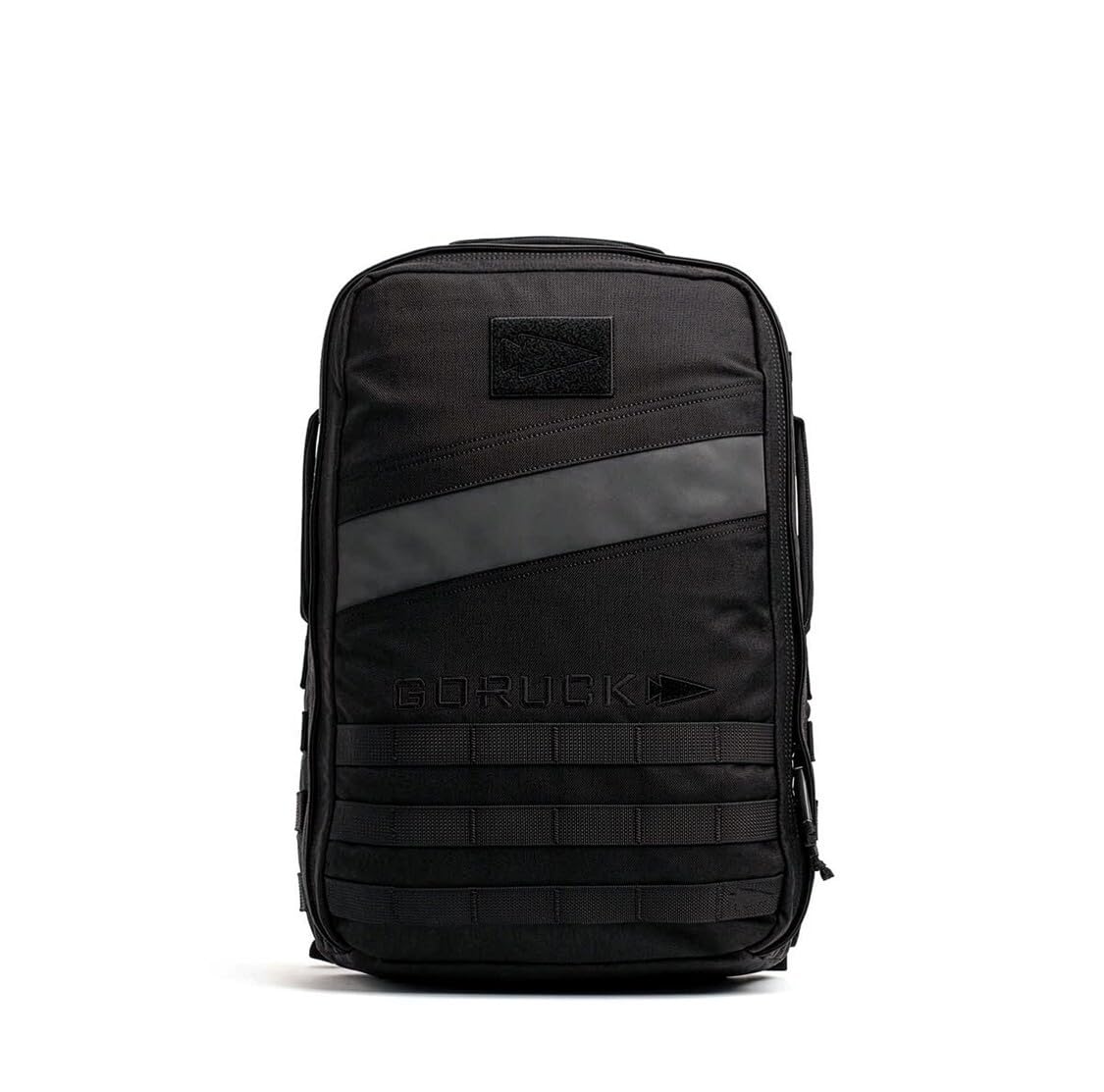
Three primary user types drive EDC backpack design. Urban professionals need clean aesthetics that work in corporate environments, dedicated laptop compartments, and organization for tech accessories, documents, and personal items. Tactical and preparedness-minded users prioritize modular attachment systems (MOLLE webbing), durable construction, and space for emergency supplies like first aid kits, flashlights, and multi-tools. Outdoor enthusiasts want weather resistance, hydration compatibility, and the versatility to transition from office environments to weekend adventures.
The best EDC backpacks blur these boundaries, offering professional appearance with tactical durability, or outdoor functionality with urban sophistication. Modern EDC design recognizes that your daily carry needs change based on your schedule, environment, and responsibilities. A successful EDC backpack adapts to these variations while maintaining consistent access to your essential tools.
Size matters critically in EDC applications. Most effective EDC packs fall between 20-35 liters, large enough for daily necessities plus unexpected additions, but compact enough to navigate crowded spaces, fit under airplane seats, and avoid appearing overpacked in professional settings.
Your First Decision: Size and Capacity (20L vs. 30L vs. 40L)
The capacity decision shapes everything about your EDC experience. Too small and you’ll constantly play Tetris with your gear. Too large and you’ll carry unnecessary bulk or, worse, fill it with items you don’t need.
The 20-30L sweet spot dominates EDC for good reason. This range handles daily essentials without encouraging overpacking. A 20L pack fits a 15-inch laptop, chargers, water bottle, jacket, and small organizers with room to spare. Step up to 25-30L and you gain space for gym clothes, extra shoes, or a full day’s worth of camera gear.
20L: The Minimalist’s Choice
Perfect for urban commuters and office workers who prioritize mobility. You’ll fit a laptop, notebook, charging cables, wallet, keys, and a lightweight jacket. Think subway commutes, coffee shop work sessions, and quick errands. The compact profile means easier navigation through crowded spaces and less strain during long walks.
Limitations become obvious on longer days. No room for gym gear, bulky winter coats, or multiple pairs of shoes. Weather changes can force difficult choices about what to leave behind.
25-30L: The Versatile Middle Ground
This capacity handles 90% of EDC scenarios without compromise. Beyond the 20L essentials, you’ll pack a change of clothes, toiletries for overnight stays, multiple charging devices, or a small camera kit. The extra 5-10 liters transforms your carry options without adding significant bulk.
We consistently find this range works for mixed-use days: office work that transitions to evening plans, weekend trips that combine business and leisure, or daily carries that shift between seasons. On top of that, the additional space prevents the frustration of leaving essential items behind.
35-40L: Travel-Focused EDC
Choose this capacity when travel defines your lifestyle or work demands extensive gear. You’ll accommodate 3-4 days of clothing, full toiletry kits, multiple devices, and specialized equipment. Digital nomads, photographers, and frequent business travelers often gravitate toward this range.
The trade-offs are real. Daily urban use becomes cumbersome, and airline overhead restrictions start applying. Many 40L packs exceed carry-on dimensions when fully loaded, defeating the purpose of streamlined travel.
Common Sizing Mistakes
Buying too large ranks as the most frequent error. That 40L pack seems reasonable until you realize it weighs 15 pounds empty and encourages bringing items “just in case.” Conversely, experienced minimalists sometimes choose too small, then struggle when life demands flexibility.
Consider your actual daily routine, not your aspirational one. Track what you carry for a week before deciding. Most people discover they need less space than expected but more organization than they initially planned for.
Essential Features That Make or Break Daily Carry
Laptop Protection and Tech Organization
Your laptop compartment design can mean the difference between a cracked screen and smooth daily carry. Look for suspended laptop sleeves that keep your device floating away from the backpack’s bottom and sides. This floating design absorbs impact from drops and prevents pressure points when you set the pack down hard.
Most quality EDC backpacks accommodate 15-17 inch laptops, but check the exact dimensions. A 16-inch MacBook Pro measures 14.01 x 9.77 inches, requiring compartments with at least those internal dimensions plus padding clearance. Fixed sleeves offer maximum protection but limit flexibility, while adjustable systems work with various device sizes.
Tech organization extends beyond laptop storage. Dedicated tablet pockets, fleece-lined phone compartments, and cable management systems keep your digital life organized. Administrative panels with pen loops, SD card slots, and small pocket arrays prevent the dreaded cable tangle at the bottom of your bag. Quick-access tech pockets on the exterior or top panel let you grab charging cables or earbuds without unpacking your entire setup.
External Access and Organization
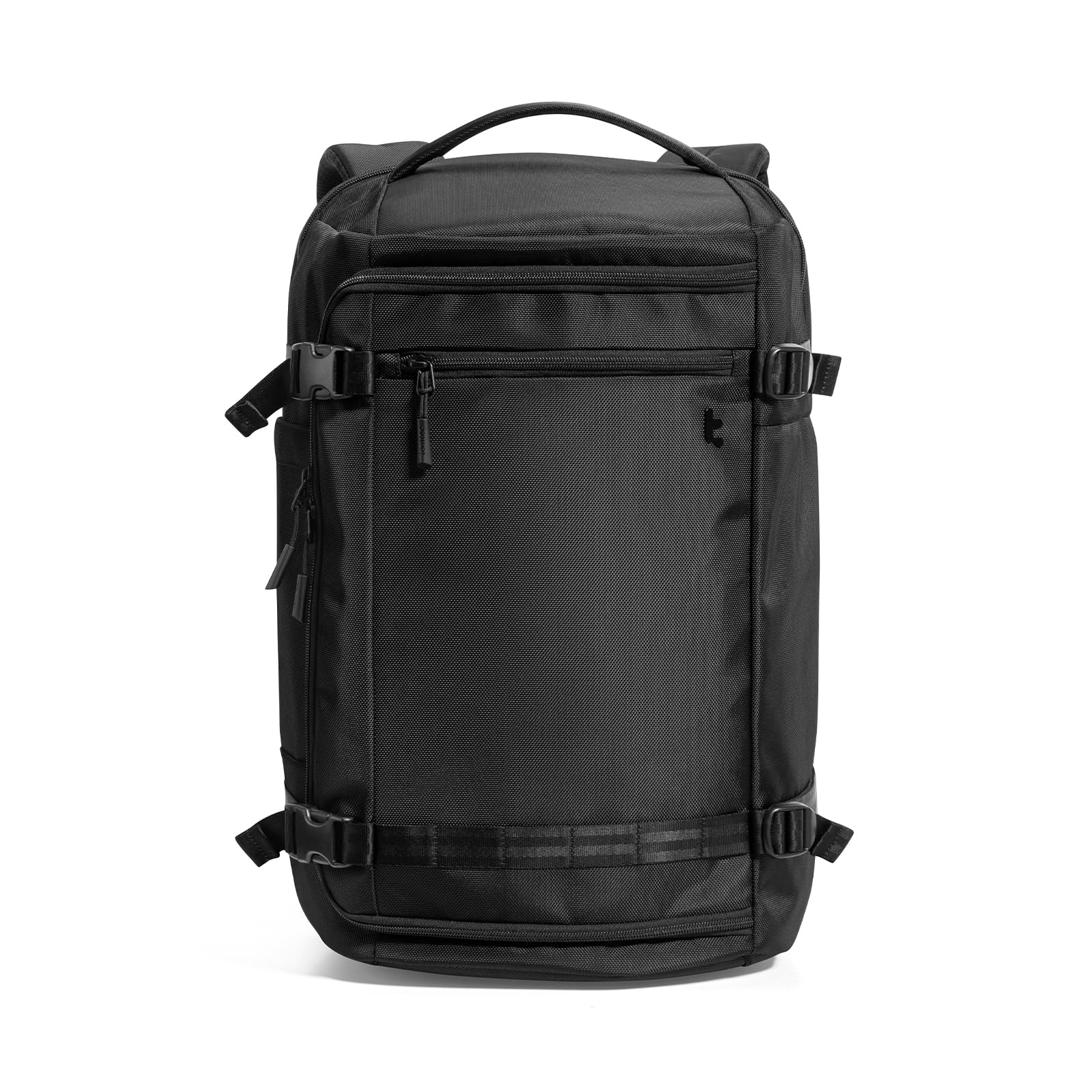
External organization separates functional EDC backpacks from basic school bags. Your keys, phone, wallet, and daily tools need dedicated homes that don’t require digging through main compartments. Front admin panels with multiple pocket sizes handle everything from business cards to multi-tools, while maintaining easy access during your commute.
Side pockets serve dual purposes: water bottle storage and quick-grab essentials. Stretchy mesh works for bottles but lacks security for valuables. Zippered side pockets cost more but protect phones, transit cards, or small tools from falling out during movement.
MOLLE (Modular Lightweight Load-carrying Equipment) webbing appeals to tactical users and customization enthusiasts. These rows of nylon loops let you attach pouches, carabiners, or specialized gear holders. While overkill for office workers, MOLLE compatibility adds versatility for photographers, technicians, or anyone carrying specialized tools.
Hidden pockets in back panels or waist belts secure passports, cash, or backup cards during travel. These security features add weight and cost but provide peace of mind in crowded environments or unfamiliar cities.
Comfort and Carry Systems
All-day comfort depends on proper load distribution and contact point padding. Shoulder straps should measure at least 2 inches wide with dense foam padding that doesn’t compress under load. Curved strap designs follow your shoulder’s natural contour, reducing pressure points during extended wear.
Back panel design affects both comfort and temperature regulation. Mesh-covered foam provides basic padding, while channeled designs create airflow between your back and the pack. Suspended mesh panels, found on hiking packs, maximize ventilation but add bulk that looks out of place in urban environments.
Sternum straps and hip belts distribute weight away from your shoulders. Sternum straps benefit everyone carrying over 15 pounds, while hip belts become essential above 25 pounds. Removable hip belts offer flexibility between urban and outdoor use.
Load lifter straps, small straps connecting the top of shoulder straps to the pack, pull weight closer to your back for better balance. This hiking-derived feature works well on larger EDC packs (30L+) but adds complexity to smaller urban designs. Consider your typical load weight when evaluating these advanced carry features.
Matching Backpack Style to Your EDC Priorities
Your EDC backpack needs to match how you live and work, not some idealized version of yourself. We’ve identified three distinct user types, each with different priorities that directly impact which style delivers the best daily experience.
Urban Professional: Discrete Function
If you’re commuting to an office, meeting clients, or working in corporate environments, your backpack becomes part of your professional image. You need laptop protection that goes beyond basic padding, organizational systems that keep cables untangled, and materials that won’t show wear after months of subway turnstiles and conference room floors.
Professional-focused packs typically feature clean lines, minimal external webbing, and materials like ballistic nylon or waxed canvas that age gracefully. The trade-off is functionality. You’ll sacrifice external attachment points and quick-access pockets for a more refined appearance. Most professional packs also limit capacity to 20-25L to maintain a streamlined profile.
Key features include dedicated laptop compartments with suspension systems, document organization panels, and water bottle pockets that don’t scream “tactical gear.” Colors matter here. Navy, charcoal, and black work in most professional settings, while olive drab or coyote brown may not.
Tactical and Preparedness: Maximum Capability
Preparedness-minded users prioritize durability and modularity over aesthetics. You want MOLLE webbing for external pouches, reinforced stress points that handle heavy loads, and materials that shrug off abuse. Many tactical packs also accommodate concealed carry requirements with dedicated CCW compartments.
These packs typically offer 25-35L capacity with external expansion capability through MOLLE attachments. Construction focuses on 1000D Cordura or similar heavy-duty fabrics, YKK zippers throughout, and bartacked stress points. The downside is weight and appearance. A fully loaded tactical pack can weigh 4-6 pounds empty and looks distinctly military in civilian settings.
Consider whether you need full tactical capability for daily carry. Many users find that tactical styling draws unwanted attention in urban environments, potentially creating more problems than it solves.
Outdoor and Travel: Versatile Performance
Adventure-focused users need packs that transition from daily carry to weekend hiking or international travel. This means weather resistance, comfortable carry systems, and features like clamshell opening for easy packing access.
Travel-oriented packs often include carry-on compliance (typically 22″ x 14″ x 9″ maximum), TSA-friendly laptop compartments, and compression systems to minimize bulk when partially loaded. Outdoor-focused designs emphasize weather protection through DWR coatings or waterproof zippers, plus external attachment points for gear like trekking poles.
The challenge is finding packs that excel in multiple environments without compromising core functionality. Many outdoor brands create packs that work well for hiking but lack the organization needed for daily office carry.
Your Priorities Will Evolve
Remember that your EDC needs change with life circumstances. A tactical pack might suit your current preparedness mindset, but career advancement could require something more professional. Budget for this evolution rather than assuming one pack will serve all future needs.
EDC Backpack Mistakes That Lead to Buyer’s Remorse
Most EDC backpack purchases fail because buyers make emotional decisions based on incomplete information. After testing dozens of packs and watching countless returns, we’ve identified six critical mistakes that lead to buyer’s remorse within weeks of purchase.
The Instagram Trap: Choosing Style Over Substance
That sleek minimalist pack looks amazing in photos, but lacks basic organization for actual daily carry. We’ve tested beautiful leather packs that offer zero internal structure and tactical bags with 47 pockets that turn simple tasks into scavenger hunts. Reality check: Your backpack needs to work in fluorescent office lighting, not just golden hour photography.
Size Miscalculation Disasters
The most expensive mistake? Buying a 40L pack for 15L of daily gear, or cramming a week’s worth of essentials into a 20L bag. We consistently see buyers choose 30L+ packs for basic office carry, creating an awkward bulk that screams “tourist” in professional settings. Conversely, minimalist buyers often underestimate their actual needs, forcing uncomfortable compromises daily.
Comfort vs. Feature Trade-offs
Prioritizing occasional features over daily comfort destroys long-term satisfaction. That laptop compartment with 15 organizational slots sounds useful until you realize it adds 1.2 pounds to your empty pack weight. Test this: Carry your loaded pack for 30 minutes before buying. Weight distribution matters more than feature count.
Professional vs. Tactical Confusion
MOLLE webbing and tactical aesthetics work for weekend adventures but create problems in corporate environments. We’ve watched buyers choose military-inspired packs for office jobs, then struggle with professional perception issues. Similarly, business-focused packs often lack the durability for mixed-use scenarios.
Brand Halo Effect
Paying premium prices for brand recognition while ignoring actual construction quality leads to expensive disappointment. Some $300 “heritage” brands use cheaper materials than $120 alternatives. Focus on zipper quality, stitching density, and fabric weight rather than logo prestige.
Short-term vs. Long-term Value
The cheapest option rarely proves economical. We’ve tracked $50 packs that fail within six months against $150 alternatives lasting years. However, overpaying for features you’ll never use wastes money equally. Calculate cost-per-year based on realistic usage patterns, not optimistic scenarios.
Prevention strategy: Test with your actual gear load for at least one full day before committing to any pack over $100.
Buying Guide
Material and Durability Considerations
The fabric you choose determines whether your EDC backpack survives years of daily abuse or falls apart after months of use. CORDURA nylon leads the durability race, with 500D and 1000D variants offering exceptional tear resistance and longevity. We’ve tested packs made from 500D CORDURA that show minimal wear after two years of daily office commuting, while 1000D versions handle construction sites and outdoor work without breaking down.
Ripstop nylon provides a lighter alternative at 200-400D weights, incorporating reinforcing threads that prevent small tears from spreading. This material works well for urban carry but shows wear faster under heavy loads. X-Pac combines a polyester face fabric with waterproof backing and diamond ripstop reinforcement, delivering weather protection with moderate weight savings. Canvas options like waxed cotton offer classic aesthetics but require more maintenance and weigh significantly more.
Denier ratings indicate fabric thickness, with higher numbers meaning heavier, more durable material. For daily office use, 400-500D provides adequate protection. Construction workers or frequent travelers should target 1000D fabrics. Water resistance varies from DWR coatings that repel light rain to fully waterproof constructions with sealed seams.
Warranty length signals manufacturer confidence. Premium brands offer lifetime warranties on construction defects, while budget options typically provide one-year coverage. Factor replacement cost into your decision, as a $300 pack with lifetime warranty often delivers better long-term value than replacing $100 packs every two years.
Budget Planning and Value Assessment
Under $100 options focus on basic functionality with polyester construction and minimal organization features. These packs handle light daily carry but lack durability for intensive use. Expect basic laptop sleeves without suspension systems and limited external storage.
The $100-200 sweet spot delivers the best value for most users. This range includes quality CORDURA construction, padded laptop compartments, comprehensive organization systems, and comfortable carry systems. Features like load lifters, multiple external pockets, and water-resistant zippers become standard.
$200-400 premium packs justify higher costs through superior materials like X-Pac or high-denier CORDURA, advanced organization systems with removable pouches, and refined comfort features. Lifetime warranties and specialized features like concealed carry pockets or expandable capacity appear in this tier.
$400+ luxury options target specific use cases with exotic materials, custom manufacturing, or extreme durability requirements. These packs often incorporate Dyneema, titanium hardware, or specialized tactical features that most EDC users don’t need.
Save money on aesthetic features like excessive MOLLE webbing or tactical styling if you work in professional environments. Invest in quality zippers, reinforced stress points, and proven materials that affect daily functionality and longevity.
Final Fit and Feel Considerations
Physical testing reveals comfort issues that specifications can’t predict. Load the pack with your typical EDC gear and wear it for at least 15 minutes during evaluation. Shoulder straps should distribute weight evenly without creating pressure points, while the back panel should sit flush against your torso without gaps.
Torso length matters more than overall height for proper fit. Measure from your C7 vertebra (base of neck) to your iliac crest (hip bone level) to determine sizing. Most EDC packs come in one size but offer adjustable sternum straps and load lifters to accommodate different builds.
Test strap adjustments under load. Shoulder straps should tighten smoothly without binding, and load lifters should pull the pack closer to your back when engaged. Hip belts on larger EDC packs should sit on your hip bones, not your waist.
Understanding return policies protects your investment since comfort issues often emerge during extended use. Many manufacturers offer 30-60 day trial periods, while some retailers provide lifetime return guarantees. Document any defects during initial inspection and test all zippers, buckles, and adjustment mechanisms.
Brief try-ons can’t replicate all-day wear patterns. Focus on obvious pressure points, strap placement, and how the pack moves with your body during walking motions. Weight distribution becomes more critical as load increases, so test with realistic gear loads rather than empty packs.
Final Verdict
The best EDC backpack starts with honest assessment of your daily carry volume. Count your actual essentials: laptop size, chargers, notebooks, water bottle, and personal items. This determines whether you need 15 liters for minimalists or 30+ liters for heavy packers.
Your primary use case dictates style priorities. Office commuters benefit from clean lines and laptop protection. Field workers need durability and weather resistance. Travelers require security features and organization systems.
Focus on must-have features over marketing buzzwords. Quality zippers matter more than exotic materials. Comfortable straps trump tactical aesthetics if you’re carrying weight daily. Water resistance beats waterproofing for most users, saving money without sacrificing practicality.
Budget $75-150 for quality construction that lasts years. Cheaper options often fail at stress points within months. Premium materials and lifetime warranties justify higher costs only if you genuinely stress-test your gear.
The perfect EDC backpack becomes invisible in your routine while reliably protecting your essentials. Choose function over flash, and prioritize features that solve your specific daily challenges.