




Buyer’s Guide
Essential Features to Prioritize
Weight capacity ratings form the foundation of any serious rucking pack. Look for packs rated to handle 50+ pounds with internal frame systems or reinforced back panels that distribute load evenly across your torso. The difference between a 30-pound rating and 50-pound rating often comes down to frame construction and strap attachment points.
Strap padding quality separates weekend warriors from serious ruckers. We recommend minimum 1-inch thick padding on shoulder straps, with wider chest and hip belts for loads over 30 pounds. Memory foam padding recovers better than basic closed-cell foam after repeated compression. Adjustable sternum straps prevent forward shoulder roll during long sessions.
Material durability grades matter significantly for longevity. Cordura fabric in 500D-1000D weights offers the best balance of tear resistance and weight. YKK zippers consistently outperform generic hardware under stress loading. Reinforced stitching at stress points, particularly where straps attach to the main body, prevents catastrophic failure during heavy rucking sessions.
Proper fit systems include torso length adjustability and load lifter straps. Packs without these features force your body to adapt to poor weight distribution, leading to injury risk and reduced performance over time.
Sizing and Weight Considerations
Pack capacity should match your training progression and body mechanics. Beginners benefit from 20-30L packs that accommodate 10-15% of body weight without overwhelming their frame. A 150-pound beginner needs space for 15-22 pounds of weight plates plus hydration and essentials.
Advanced ruckers pushing 20-25% body weight ratios require 30-45L capacity for proper load distribution. Cramming 40+ pounds into an undersized pack creates pressure points and compromises the internal frame’s effectiveness. Weight distribution becomes critical as loads increase – you want weight positioned close to your back, between shoulder blade level and waist.
Torso measurement trumps overall height for fit. Measure from your C7 vertebra (base of neck) to iliac crest (top of hip bones). Short torsos (15-17 inches) need different strap geometry than long torsos (19+ inches). Many quality packs offer size variants or adjustable torso lengths within a 4-inch range.
Progressive loading prevents injury and builds proper movement patterns. Start with 10% body weight for 2-3 weeks, then increase by 5 pounds monthly. Your pack should accommodate this progression without requiring immediate replacement.
Common Purchasing Mistakes
Price-driven decisions often backfire spectacularly in rucking gear. A $40 pack that fails after three months costs more than a $120 pack lasting three years. Budget packs typically skimp on frame systems, strap padding, and zipper quality – exactly the components that matter most under load.
Skipping fit testing leads to expensive returns or, worse, injury from poor weight distribution. Order multiple sizes if buying online, or visit retailers that stock rucking-specific brands. Load test with actual weight – a pack that feels great empty might dig into pressure points with 30 pounds inside.
Oversizing represents another frequent error. Bigger isn’t automatically better when extra space encourages poor packing habits and compromises load positioning. A half-empty 45L pack performs worse than a properly loaded 25L pack for most rucking applications.
Warranty coverage varies dramatically between brands. Military-inspired companies often offer repair services and replacement policies that outdoor recreation brands don’t match. Factor long-term support into your purchasing decision, especially for packs exceeding $150.
Final Verdict
Your rucking intensity determines which backpack makes the most sense. Serious athletes logging 20+ miles weekly with heavy loads need the GORUCK Rucker 4.0’s bombproof construction and precise weight distribution. The $395 price tag reflects genuine military-grade materials that won’t fail during demanding training cycles.
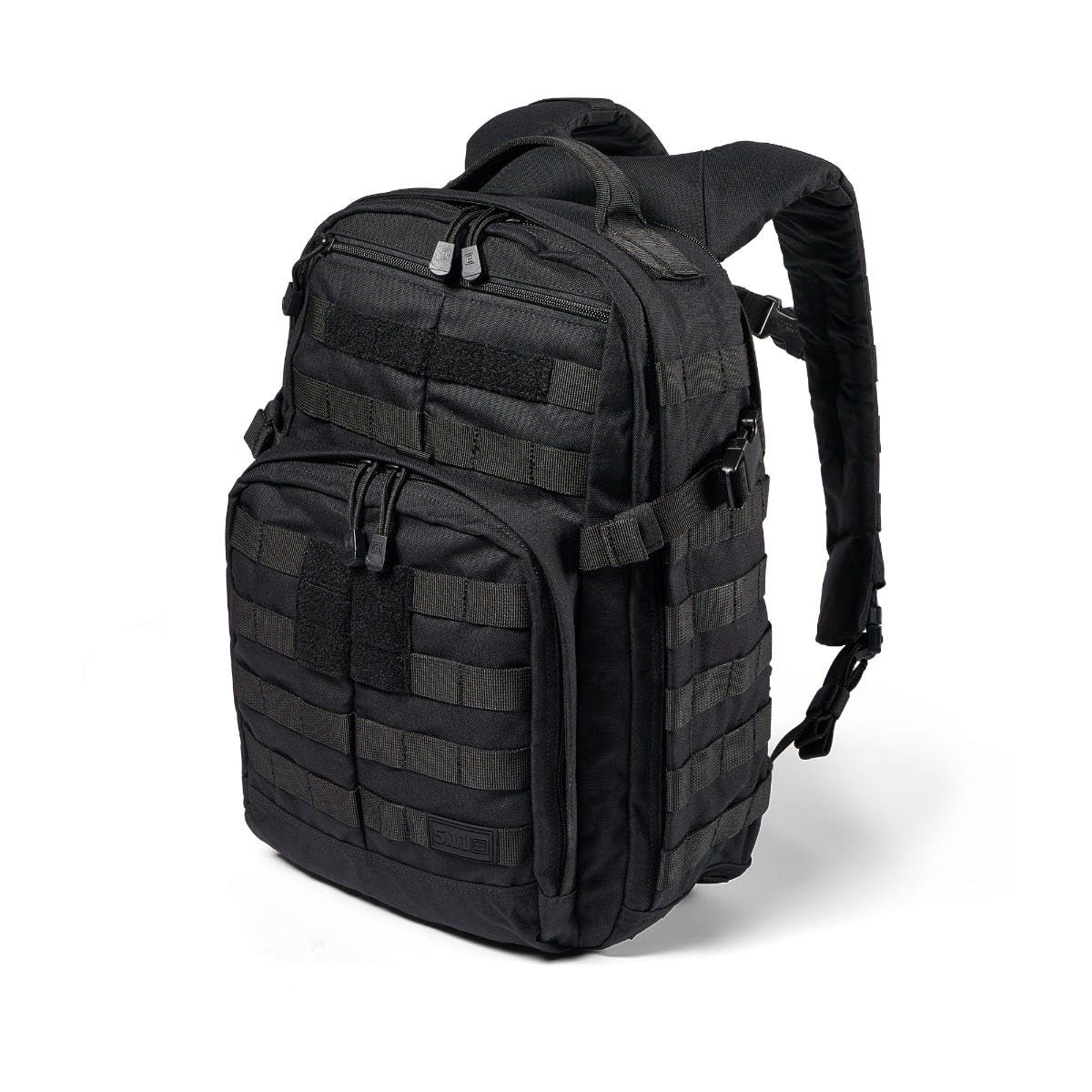
Budget-conscious beginners should start with 5.11 Tactical’s Rush series, offering solid performance around $150-200. These packs handle moderate weights effectively while you develop proper rucking form and determine your long-term commitment level.
Mystery Ranch strikes the best balance for multi-purpose users who want comfort during longer sessions but also need everyday versatility. Their Futura yoke system distributes weight better than basic designs, reducing shoulder fatigue during extended carries.
Weight capacity matters more than advertised numbers suggest. Most packs claim 50+ pound capacity, but comfort drops significantly above 30 pounds without proper frame design. Focus on how the pack feels loaded rather than maximum weight specifications when making your decision.