


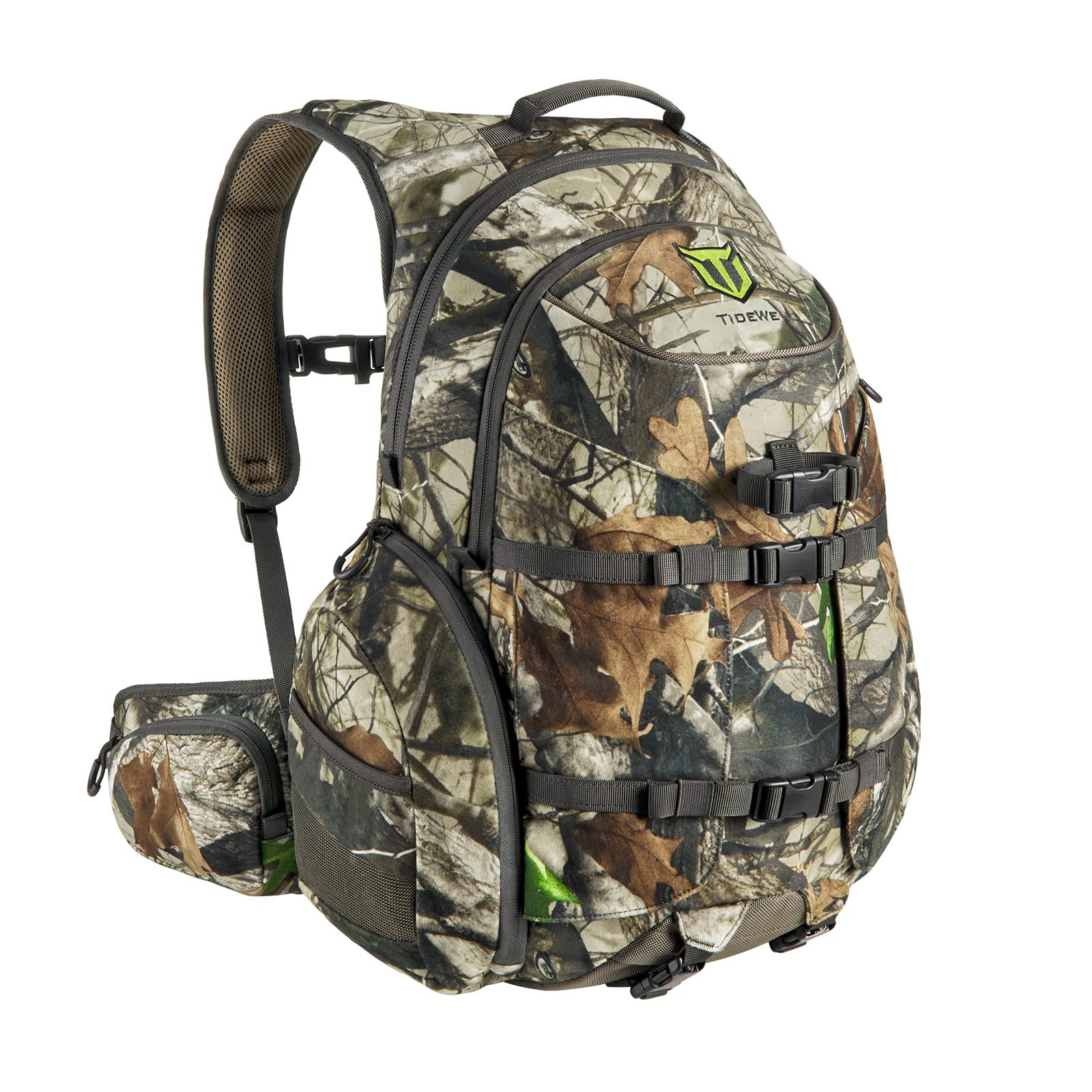
What You Need to Know Before Choosing a Hunting Backpack
Hunting Packs vs Regular Backpacking Packs
Hunting backpacks differ fundamentally from standard hiking packs in five critical areas. Weapon attachment systems include rifle scabbards, bow holders, and compression straps designed to secure firearms without interfering with quick access. Quiet materials replace the rustling nylon found on most backpacking gear with brushed fabrics or specialized coatings that won’t spook game during movement.
Meat hauling capability sets hunting packs apart through reinforced load shelves, external compression systems, and weight ratings that can handle 100+ pounds of harvested game. Regular packs typically max out around 40-50 pounds. Camo patterns provide concealment advantages, while specialized pocket layouts include dedicated compartments for calls, scents, headlamps, and field dressing gear that backpackers never need.
Understanding Capacity and Load Ratings
Hunting pack capacity ranges from 2,200 cubic inches for day hunts to over 7,000 cubic inches for extended backcountry expeditions. Day packs (2,200-3,500 cubic inches) handle essentials plus light gear for 8-12 hour hunts. Multi-day packs (4,000-5,500 cubic inches) accommodate sleeping systems and extra clothing for 2-4 day trips. Expedition packs (6,000+ cubic inches) support week-long backcountry hunts with full camping gear.
Load ratings matter equally. A 3,000 cubic inch pack rated for 150 pounds can haul out an elk quarter, while a larger 5,000 cubic inch pack rated for only 60 pounds will fail under meat loads. Weight capacity depends on frame construction, hip belt design, and suspension geometry. Match both measurements to your hunting style rather than assuming bigger always means better.
The Three Critical Fit Factors
Torso length determines proper pack fit more than your height. Measure from the C7 vertebra (base of neck) to your iliac crest (top of hip bones). Most hunting packs accommodate 16-21 inch torso lengths through adjustable suspension systems or multiple frame sizes.
Hip belt sizing transfers weight from shoulders to hips, preventing fatigue during long carries. Measure around your hip bones, not your waist. The belt should sit on your iliac crest with 2-3 inches of adjustment room on each side. Shoulder strap adjustment positions the load shelf correctly and prevents the pack from pulling you backward under heavy loads.
Poor fit causes shoulder pain, back strain, and reduced mobility when you need to react quickly to game movement. Spend time adjusting these three elements before your first hunt.
Hunting-Specific Features Regular Guides Miss
Scent control technology goes beyond basic odor resistance. Carbon-lined pockets trap human scent, while antimicrobial treatments prevent bacteria growth that creates detectable odors during multi-day hunts. Some packs include ozone-compatible materials that work with scent elimination devices.
Weather resistance must handle blood, field dressing fluids, and extended exposure that destroys standard DWR coatings. Look for welded seams, not just taped ones, and zippers with double storm flaps. Rain covers designed for hunting include silent fabrics and earth-tone colors instead of bright safety orange.
Noise reduction extends to hardware choices. YKK Aquaguard zippers eliminate the metallic rattle of standard zippers, while rubberized buckles and cord locks prevent clicking sounds. Compression straps use hook-and-loop closures instead of plastic cam buckles for silent adjustments.
Brush durability requires 1000+ denier fabrics in high-wear areas, reinforced seams, and puncture-resistant panels that withstand antler contact during meat packing. Standard backpacking materials tear easily when dragging heavy loads through dense cover.
The Three Key Decisions That Determine Your Perfect Pack
Choosing the right hunting backpack starts with three fundamental decisions that will narrow thousands of options down to the handful that fit your needs. Skip this analysis, and you’ll end up with a pack that works poorly for your specific hunting style, terrain, and weapon setup.
Decision 1: Your Primary Hunting Style
Your hunting approach determines everything from capacity requirements to weight priorities. Day hunters need 1,500-2,500 cubic inches of space for essentials like water, food, extra layers, and field dressing gear. Weight matters less than organization and quick access features, since you’re carrying the pack for 8-12 hours straight.
Multi-day backpack hunters require 3,500-5,500 cubic inches to accommodate sleeping systems, cooking gear, and multiple days of food. Every ounce counts when you’re hiking miles into backcountry terrain with 40-60 pounds on your back. Look for packs with removable top lids that convert into day packs for final stalks.
Base camp hunters fall somewhere between, needing 2,500-3,500 cubic inches for gear transport to a fixed camp location. These packs prioritize durability over ultralight construction, since you’re not carrying them constantly. Heavy-duty zippers, reinforced bottoms, and external attachment points become more important than shaving ounces.
Decision 2: Your Hunting Environment
Western mountain hunting demands packs built for steep, rocky terrain and dramatic weather swings. You need external attachment systems for spotting scopes, trekking poles, and extra layers. Quiet fabrics matter less than durability and load stability when scrambling over talus fields. Hydration compatibility becomes critical at altitude where dehydration hits faster.
Eastern whitetail environments prioritize stealth over everything else. Brush-quiet fabrics, low-profile designs, and earth-tone colors help you move silently through thick cover. Capacity requirements stay modest since you’re rarely far from your vehicle. Quick-access pockets for calls, scents, and rangefinders prove more valuable than large main compartments.
Great Plains hunting combines elements of both worlds. You need moderate capacity for longer walks to hunting spots, plus quiet operation for close-range encounters. Wind resistance becomes crucial in open country where weather changes rapidly. Look for packs with compression systems that keep gear from shifting during long hikes across uneven grassland.
Decision 3: Your Weapon and Gear Setup
Bow hunters need specialized arrow storage systems and quiet fabric construction. Side quivers, bow attachment points, and easy access to range finders become essential features. The pack’s profile must allow full draw without interference, which eliminates many traditional hiking packs.
Rifle hunters can use wider pack designs but need secure weapon attachment systems for hands-free hiking. Compression straps, rifle boots, or magnetic closures keep firearms secure during steep climbs. Ammunition storage requires easy access but weather protection.
Your additional gear volume directly impacts capacity needs. Photographers carrying telephoto lenses need extra space and padding. Cold-weather hunters require room for bulky insulation layers. Calculate your actual gear volume before selecting pack size, since manufacturers’ cubic inch ratings often include unusable space around the frame.
Buying Guide
Essential Features to Prioritize
The frame system ranks as your most critical decision point. External frames excel for heavy loads over 50 pounds, distributing weight effectively through aluminum or carbon fiber stays. Internal frames offer better mobility and balance for stalking but max out around 80-100 pounds comfortably. We’ve tested packs ranging from frameless ultralight options at 8.8 ounces to solid external frames exceeding 6 pounds.
Weapon attachment capabilities separate hunting packs from hiking gear. Look for dedicated rifle scabbards, bow holders with compression straps, and tool loops positioned for quick access. The best systems secure weapons without interfering with your shooting stance or creating noise during movement.
Material selection directly impacts your success rate. Quiet fabrics like brushed polyester or treated nylon prevent game-spooking sounds, while Cordura 500D provides durability for backcountry abuse. YKK zippers operate silently and resist freezing, crucial for early-season hunts.
Meat shelf design determines load-hauling efficiency. Removable shelves between the frame and pack body accommodate quarters, while integrated systems work for smaller game. Capacity ranges from 2,200 cubic inches for day hunts to over 7,000 for extended expeditions, with most versatile packs falling between 3,500-5,500 cubic inches.
Sizing and Fit Guidelines
Measure your torso length from the C7 vertebra (base of your neck) to your iliac crest (top of hip bones). Small frames fit 15-18 inches, medium covers 18-21 inches, and large accommodates 21+ inches. Many quality packs offer adjustable torso lengths spanning multiple size ranges.
Hip belt sizing follows your actual hip measurement, not waist size. Wrap a tape measure around your iliac crest for accurate sizing. The belt should sit comfortably on your hips, not your waist, carrying 80% of the pack’s weight.
Women-specific models feature shorter torso lengths, narrower shoulder straps, and conical hip belts matching female anatomy. These aren’t just marketing gimmicks but genuine fit improvements that reduce pressure points and hot spots during long carries.
Test fit with realistic weight loads. A 35-pound pack feels manageable in the store but reveals pressure points after miles of hiking. Load the pack with your typical gear, adjust all straps systematically, and walk around for at least 10 minutes. The shoulder straps should angle slightly backward, and the hip belt should transfer weight off your shoulders completely.
Common Mistakes to Avoid
Underestimating meat-hauling capacity ranks as the costliest error. That compact 2,200-cubic-inch pack works perfectly until you harvest a bull elk requiring multiple trips. Budget for success by choosing packs rated for 150+ pounds even if you typically hunt smaller game.
Prioritizing appearance over function leads to frustration. Tactical-style packs with excessive MOLLE webbing create noise and snag vegetation, while fashion-forward designs often lack hunting-specific features like quiet zippers or weapon attachment points.
Ignoring seasonal versatility limits your pack’s usefulness. Early-season hunts demand ventilation and lighter materials, while late-season requires insulation compatibility and weather resistance. Single-purpose packs force you into multiple purchases.
Skipping noise testing proves expensive during crucial moments. Zippers, buckles, and fabric all generate sound that spooks game. Test every component’s noise level before committing, especially if you hunt pressured public land where stealth determines success.
Final Verdict
The perfect hunting backpack isn’t about finding the most feature-packed or expensive option. It’s about matching the pack to your specific hunting style, then ensuring it fits your body properly and includes the features that matter most for your typical hunts.
Western hunters hauling heavy loads across miles of terrain need different solutions than whitetail hunters making short walks to tree stands. Backcountry hunters prioritize weight savings and organization, while day hunters might value quick access and weather protection over ultralight materials.
Start with your hunting style, then focus on fit. A $200 pack that sits comfortably on your shoulders and hips will outperform a $500 pack that doesn’t match your torso length or causes pressure points. Test the suspension system with weight, check the hip belt alignment, and ensure the shoulder straps distribute load evenly.
Finally, prioritize features based on your actual needs, not marketing claims. Rifle carry systems, meat hauling capabilities, and organizational pockets should align with how you hunt, not how you think you might hunt someday.