



Buying Guide
Texture and Structure Priorities
The hallmark of a quality English muffin lies in its distinctive nooks and crannies structure, which creates the perfect pockets for butter, jam, or your favorite toppings to settle into. When evaluating texture, look for muffins that split easily with a fork rather than requiring a knife. This fork-split capability indicates proper fermentation and structure development during production.
Texture preferences vary significantly among consumers. Some favor dense, chewy muffins that provide substantial bite and can support heavier toppings without becoming soggy. Others prefer lighter, more airy varieties that crisp up beautifully when toasted while maintaining a soft interior. The ideal English muffin achieves balance: a crispy exterior shell that gives way to a tender, slightly chewy center without being doughy or bread-like.
You can identify quality indicators even through packaging. Premium muffins often feel slightly heavier due to proper hydration levels, and you should be able to see some surface texture through clear packaging windows. Avoid muffins that appear overly smooth or uniform, as these typically lack the irregular structure that creates those coveted nooks and crannies. The best examples maintain structural integrity under the weight of toppings while still offering that characteristic English muffin chew.
Flavor Profiles and Ingredients
English muffin flavor profiles range from neutral and mild to complex and tangy, with each style serving different purposes. Traditional varieties offer subtle yeastiness and slight saltiness that complements rather than competes with toppings. These work best for breakfast sandwiches or when you want ingredients to shine through.
Sourdough English muffins bring distinctive tang and complexity, making them excellent for standalone eating or pairing with simple toppings like butter. The fermentation process not only develops flavor but also improves digestibility and creates more pronounced nooks and crannies. Whole grain options introduce nutty, earthy notes while boosting fiber content, though they typically produce denser textures.
Ingredient quality directly impacts both taste and nutrition. Look for muffins made with unbleached flour, minimal preservatives, and recognizable ingredients. Specialty varieties incorporate seeds like sesame, poppy, or everything bagel seasonings, adding texture and flavor complexity. However, these additions can sometimes mask poor base flavor or texture.
Avoid muffins with overly long ingredient lists filled with artificial flavors, high fructose corn syrup, or excessive preservatives. Quality English muffins should taste mildly yeasty and slightly tangy from proper fermentation, not bland or artificially sweet. The best examples achieve depth through traditional baking methods rather than flavor additives.
Price and Value Considerations
English muffin pricing varies considerably, from budget store brands at around $1.50 per six-pack to premium artisanal options reaching $4-5. When evaluating value, calculate cost per serving and consider frequency of consumption. Store brands often deliver solid quality at significant savings, making them excellent choices for daily breakfast routines.
Premium pricing becomes justified when you’re getting superior ingredients, better texture, or specialty varieties like sourdough or whole grain. Regional bakery brands sometimes offer the best balance of quality and price, though availability varies by location. National brands provide consistency but may compromise on freshness due to longer distribution chains.
Maximize value through proper storage. English muffins freeze exceptionally well for up to three months when stored in airtight containers or freezer bags. This allows you to buy in bulk when sales occur or stock up on premium varieties. Refrigeration extends fresh shelf life by several days, though frozen storage offers the best long-term value proposition for occasional consumers.
Final Verdict
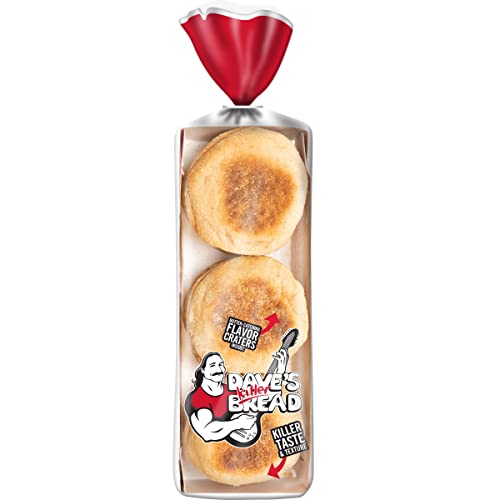
Dave’s Killer Bread Good Seed Thin-Sliced stands out as our top pick for its exceptional balance of flavor, texture, and nutritional value. The organic ingredients and substantial seed blend deliver both taste and health benefits that justify the premium price point.
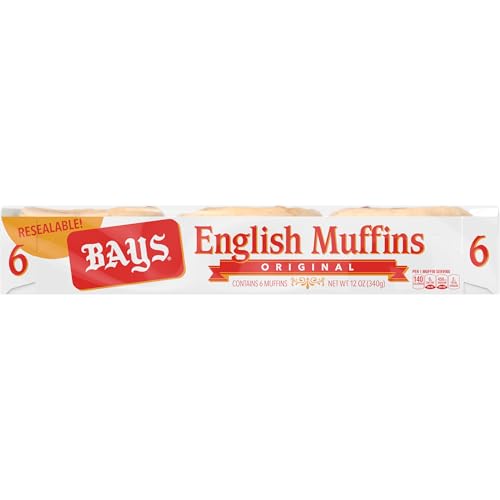
Budget-conscious shoppers shouldn’t overlook L’Oven Fresh, which provides surprisingly good nooks and crannies at roughly half the cost of premium brands. Bays English Muffins excel for those prioritizing classic texture, with their signature deep pockets that hold butter and jam beautifully.
Gluten-free dieters have legitimate options in Trader Joe’s Gluten Free English Muffins, which avoid the dense, cardboard-like texture that plagues many wheat-free alternatives. Canyon Bakehouse also delivers respectable results for those with celiac disease or gluten sensitivity.
Taste preferences vary dramatically with English muffins. Some people prefer the tang of sourdough varieties, while others gravitate toward sweeter options with raisins or cinnamon. We recommend trying several brands to discover your personal favorite, since the “best” English muffin ultimately depends on your individual palate and dietary needs.