


Buying Guide
Rolling Pin Styles: French vs. Dowel vs. Handled
The three main rolling pin designs each serve distinct purposes in the kitchen. French tapered pins feature a cylindrical shape that gradually narrows toward both ends, offering superior control and maneuverability when working with delicate pie dough. The tapered design allows you to apply varying pressure across the dough surface, making it easier to achieve consistent thickness while maintaining better feel for the dough’s texture.
Dowel pins maintain uniform diameter from end to end, creating perfectly even thickness across your entire work surface. This straight-barrel design excels when rolling cookie dough or any application where consistent thickness matters most. The uniform pressure distribution makes dowel pins particularly effective for large batches of sugar cookies or shortbread.
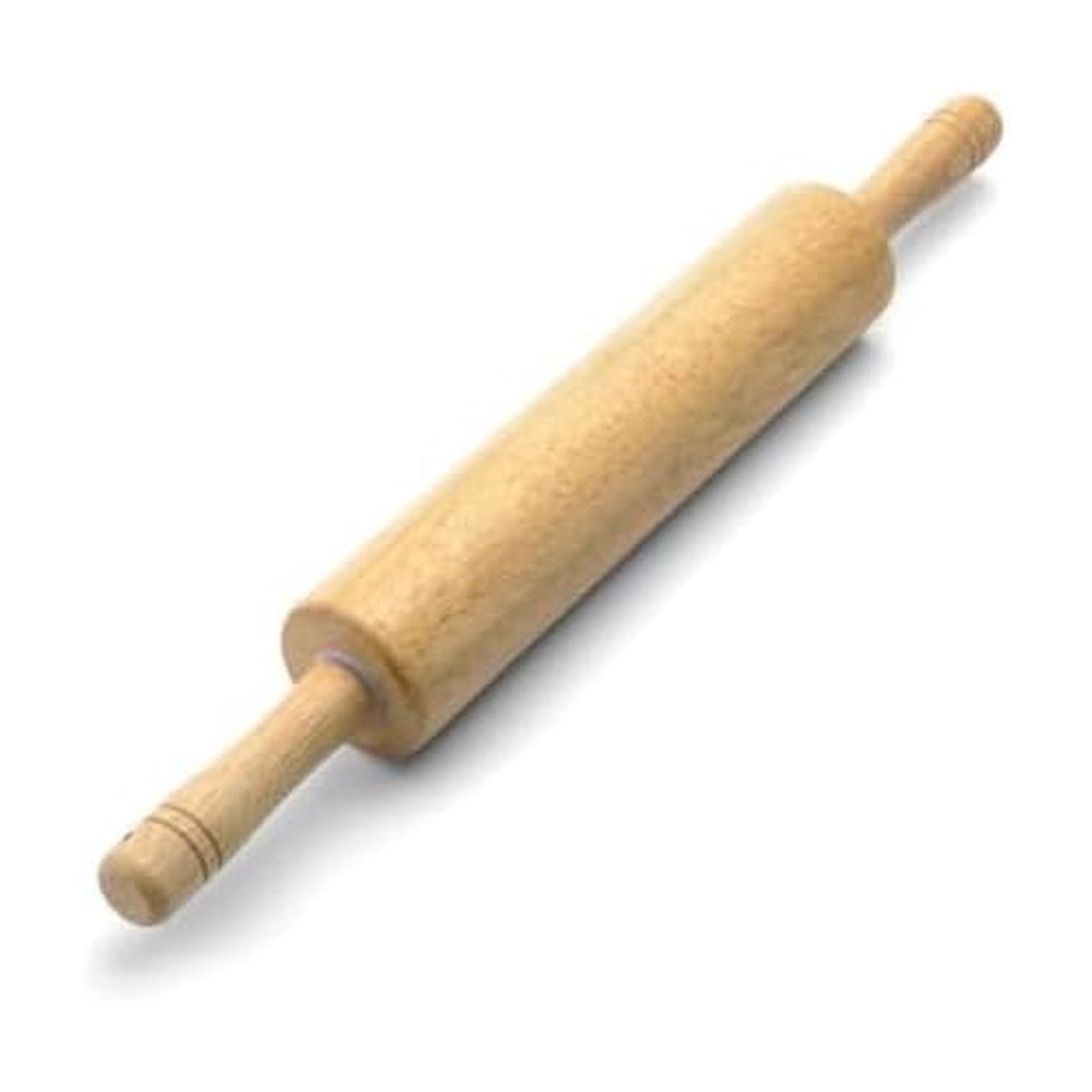
Handled pins feature a central barrel that rotates between two handles, providing familiar comfort for many home bakers. While handles offer ergonomic advantages and prevent your hands from touching the dough, they sacrifice the direct control that experienced bakers prefer. Handled pins also require more storage space and can create uneven pressure points where the handles connect to the barrel.
Material and Construction Factors
Unfinished hardwood remains the gold standard for rolling pins, with maple and beech leading the category. These dense woods resist moisture absorption while providing the ideal surface texture for proper flour adhesion. The natural grain structure creates microscopic texture that helps prevent sticking without damaging delicate dough surfaces.
Wood grain orientation significantly impacts performance. Pins with grain running lengthwise along the barrel offer greater durability and smoother rolling action compared to those with perpendicular grain patterns. Quality hardwood pins develop a natural patina over time that improves their non-stick properties.
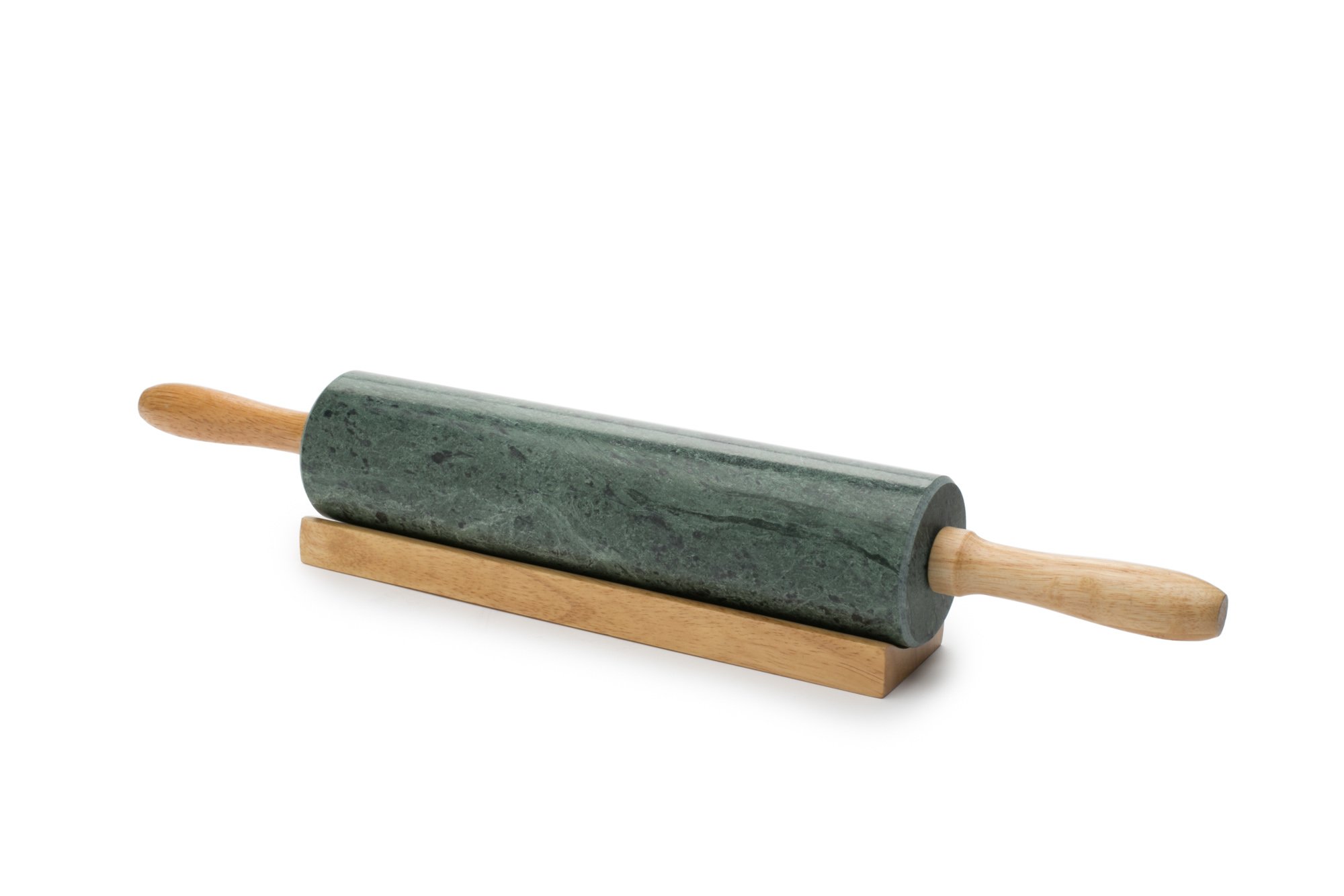
Alternative materials often disappoint despite their apparent advantages. Marble pins, while staying cool, prove too heavy for extended use and can crack dough surfaces. Stainless steel creates similar temperature benefits but lacks the flour-holding texture that prevents sticking. Silicone-coated pins feel sticky against dough and collect debris in their textured surfaces.
Unfinished wood requires minimal care: hand washing with warm water, immediate drying, and occasional light sanding to maintain surface texture. Avoid dishwashers and soaking, which can cause cracking or warping.
Size, Weight, and Kitchen Considerations
The 18-23 inch length range provides optimal performance for most baking tasks. Pins shorter than 18 inches require multiple passes for standard pie crusts, while lengths exceeding 23 inches become unwieldy in average kitchens. Twenty-inch pins offer the best balance between coverage and control for most home bakers.
Diameter affects rolling efficiency and effort required. Pins measuring 2-2.5 inches in diameter cover more surface area per pass while requiring less downward pressure. However, smaller diameters around 1.5 inches provide better precision for delicate work and fit more comfortably in smaller hands.
Weight preferences vary significantly among bakers. Heavier pins (1.5-2 pounds) rely on gravity to flatten dough with minimal effort, while lighter options (8-12 ounces) offer better control and reduce fatigue during extended sessions. Consider your typical baking volume and physical comfort when choosing.
Storage solutions become crucial for longer pins. Drawer storage requires at least 24 inches of depth, while wall-mounted holders work well for kitchens with limited drawer space. Bakers with arthritis or limited mobility should prioritize lighter weights and consider shorter lengths that still accommodate their most frequent baking tasks.
Final Verdict
The JK Adams French rolling pin remains our top choice for most home bakers. Its tapered design gives you better control over dough thickness, while the smooth maple construction prevents sticking without requiring constant flouring. At $25, it delivers professional results without the learning curve of heavier alternatives.
For frequent pie makers, stick with the French pin or consider a straight American-style pin if you prefer the familiar cylinder shape. Cookie bakers benefit from pins with guides or adjustable rings to maintain consistent thickness across batches.
Your experience level matters more than you might think. Beginners should avoid marble pins, which require more technique to control effectively. The 50-pound weight can quickly overwork delicate pastry dough in inexperienced hands.
Consider your storage space too. French pins nest easily in drawers, while American pins with handles need more room. If you bake weekly or more, invest in solid wood construction. The $15-20 price difference pays for itself in durability and performance over cheaper alternatives that warp or crack within a year.