


Buying Guide
Key Features to Prioritize
Measurement accuracy stands as the non-negotiable foundation of quality measuring spoons. We test each set using digital scales precise to 0.1 grams, and the best performers maintain accuracy within 2% across all sizes. Look for sets that clearly indicate whether they measure level or heaped amounts, as this distinction affects recipe outcomes significantly.
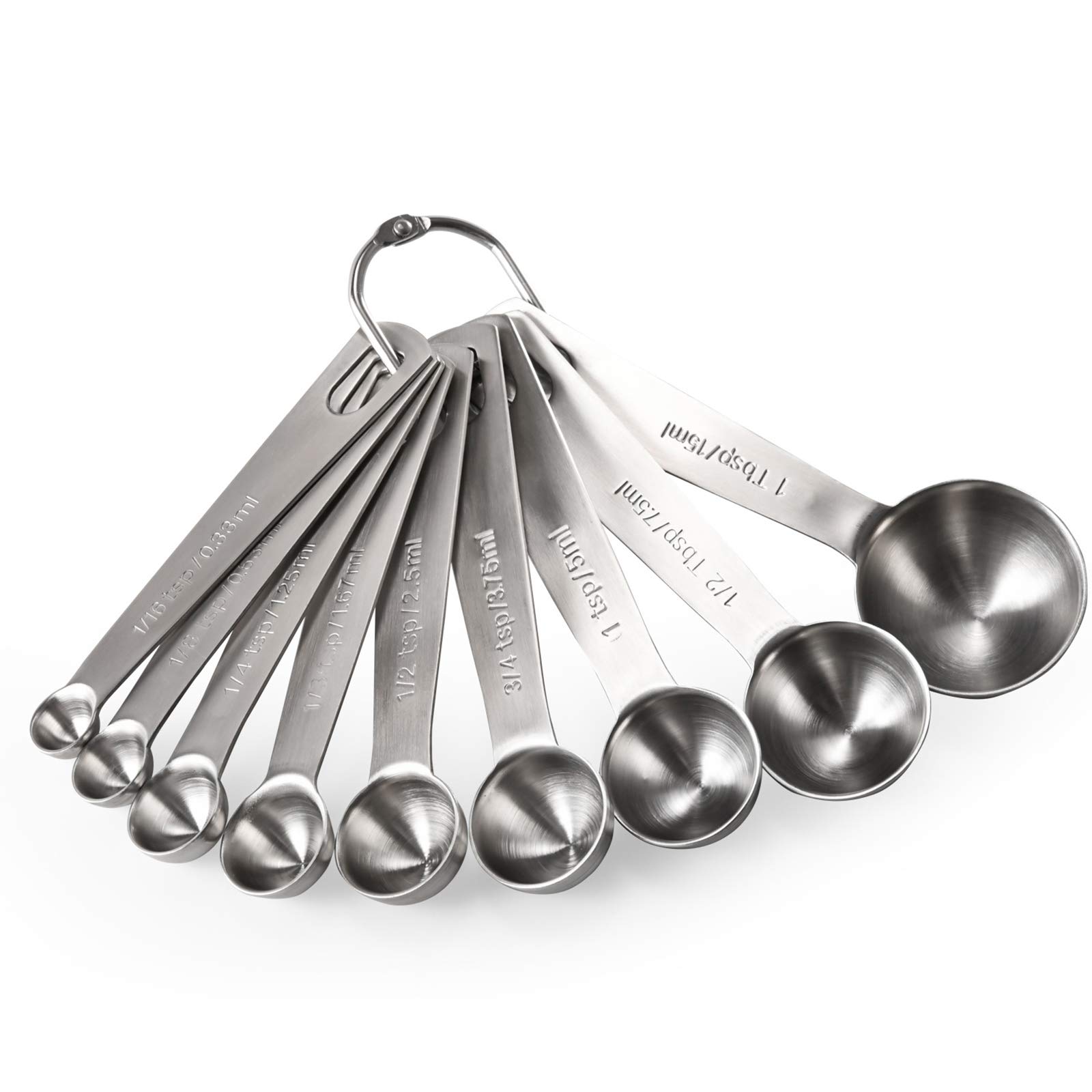
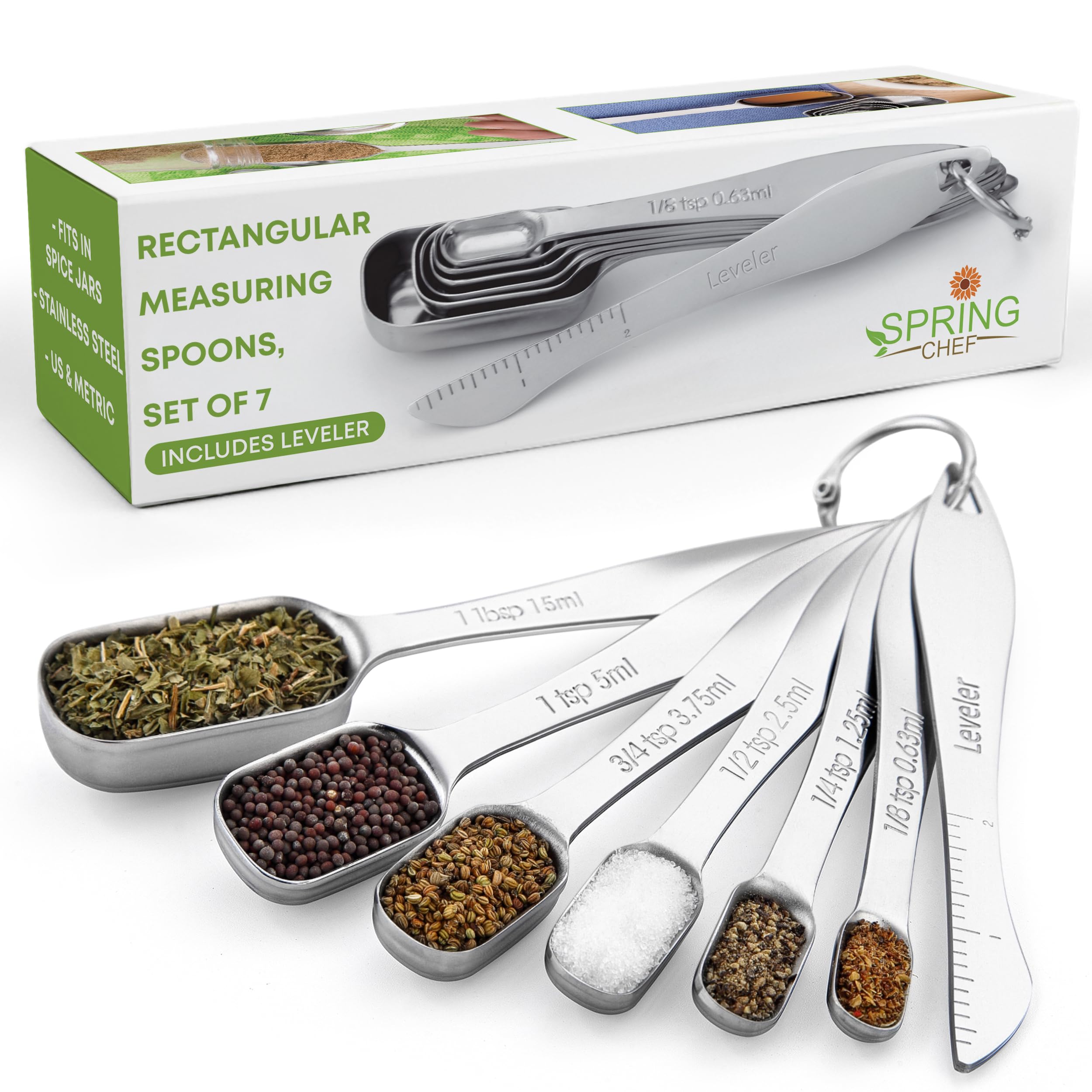
Bowl shape directly impacts functionality and determines which ingredients you can measure effectively. Rectangular or oval bowls excel at fitting into narrow spice jars with standard 1.25-inch openings, while rounded bowls handle liquids more efficiently. Pointed ends help scrape ingredients from container corners, making them particularly valuable for expensive spices and extracts.
Material quality separates temporary kitchen tools from lifetime investments. Heavy-gauge stainless steel resists bending under normal use and maintains its shape after thousands of wash cycles. Avoid thin metal that flexes when scooping dense ingredients like brown sugar or peanut butter. The handles should feel substantial without being unnecessarily heavy, and the connection between bowl and handle represents the most common failure point.
Set completeness varies significantly between manufacturers. Standard four-piece sets include 1/4 teaspoon, 1/2 teaspoon, 1 teaspoon, and 1 tablespoon. Expanded six or seven-piece sets add useful intermediate sizes like 1/8 teaspoon for potent spices, 3/4 teaspoon for recipe scaling, and 1/2 tablespoon for precise baking measurements.
Common Mistakes to Avoid
Brand recognition often overshadows actual performance in measuring spoon selection. Many well-known kitchen brands outsource production to the same factories as budget options, resulting in identical products with different price tags. Focus on construction quality and measurement accuracy rather than logo recognition.
Spice jar compatibility gets overlooked until you’re struggling to measure cardamom from a narrow container. Round bowls that work perfectly for liquids become frustratingly useless when they won’t fit through standard spice jar openings. Test your existing spice collection’s jar sizes before purchasing.
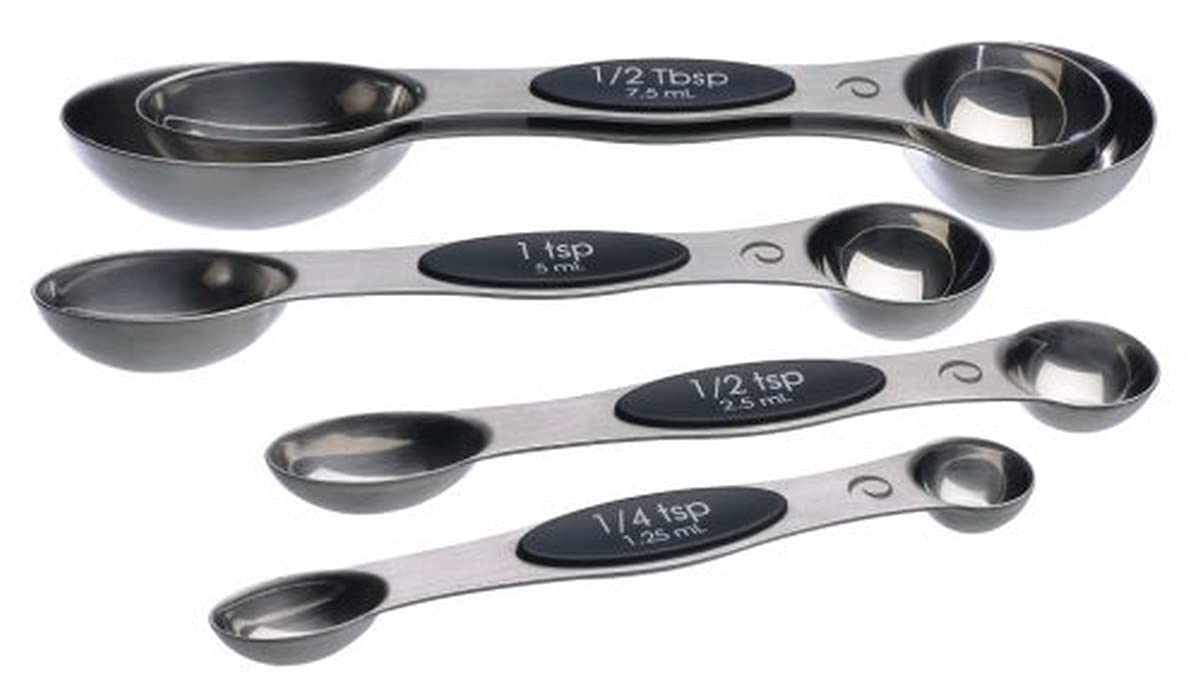
Convenience features like magnetic storage or decorative handles can compromise core functionality. Magnetic strips add bulk that prevents spoon insertion into some containers, while oversized decorative elements interfere with ingredient leveling. Prioritize measurement precision over storage gimmicks.
Maintenance mistakes shorten lifespan unnecessarily. Hand-washing preserves measurement markings that dishwasher detergent gradually erodes. Storing spoons nested together can cause scratching on softer metals, while leaving them loose in drawers leads to dings and dents that affect accuracy.
Budget Considerations
Quality measuring spoons range from $8 for basic stainless steel sets to $35 for premium options with advanced features. The price difference primarily reflects material thickness, manufacturing precision, and included accessories rather than fundamental measurement capability.
Budget sets under $12 often sacrifice durability for affordability, using thinner metals that bend easily and may develop accuracy issues over time. Mid-range options between $15-25 typically offer the best value, providing restaurant-quality construction without premium branding costs.
Premium features like magnetic storage, engraved measurements, or specialized bowl shapes justify higher prices only if they solve specific problems in your kitchen workflow. A baker who frequently measures small spice quantities benefits from 1/8 teaspoon precision, while casual cooks find standard four-piece sets perfectly adequate.
Consider replacement frequency when evaluating cost. Spending $20 on spoons that last decades costs less than repeatedly buying $8 sets that bend or become inaccurate within two years. Quality construction pays for itself through longevity and consistent performance.
Final Verdict
After testing dozens of measuring spoon sets across six months of daily cooking and baking, accuracy emerges as the non-negotiable factor. Poorly calibrated spoons can throw off delicate recipes by 15-20%, turning perfect cookies into flat disasters or leaving bread too dense. We found variance of up to 0.3 teaspoons in supposedly identical sets from different manufacturers.
Spice jar compatibility ranks second in importance. Standard grocery store spice jars measure roughly 1.5 inches in diameter, but many measuring spoons are too wide or have handles that prevent proper access. This forces you into messy pouring situations that defeat the purpose of precise measurement.
The Sur La Table Stainless Steel Measuring Spoons justify their $28 price through exceptional accuracy (within 2% across all sizes) and thoughtful design details like narrow bowls and thin handles. Budget options like the OXO Good Grips set deliver solid performance at $15, though with slightly less precision. For serious bakers prioritizing consistency, investing in quality measuring tools pays dividends in reliable results.