



What You Need to Know Before Shopping
Accuracy vs. Precision: What Really Matters
Most people confuse accuracy with precision when shopping for bathroom scales, but understanding the difference will save you from disappointment. Accuracy measures how close your scale’s reading comes to your true weight, while precision refers to how consistently the scale produces the same reading under identical conditions.
Here’s the reality: even the best consumer bathroom scales typically have accuracy margins of ±0.2 to 0.5 pounds compared to medical-grade equipment. However, precision matters more for daily use. A scale that consistently reads 2 pounds heavy will still accurately track your weight changes over time, which is what most people need.
We test precision by taking multiple readings within 30 seconds under controlled conditions. Quality scales should show readings within 0.1 pounds of each other. Cheaper models often vary by 0.5 pounds or more between readings, making trend tracking unreliable. Professional medical scales cost thousands of dollars for a reason, so set realistic expectations for your $50-150 home scale.
For weight tracking purposes, consistent daily weigh-ins on the same scale, at the same time, under similar conditions will give you meaningful data regardless of absolute accuracy.
Smart Scale Body Composition: The Reality Check
Smart scales promising to measure body fat percentage, muscle mass, and bone density use bioelectrical impedance analysis (BIA). This technology sends a weak electrical current through your body and measures resistance to estimate tissue composition.
The uncomfortable truth: these measurements can vary by 5-10% from medical-grade DEXA scans or hydrostatic weighing. Hydration levels, recent exercise, meal timing, and even room temperature affect readings significantly. A glass of water can shift your body fat reading by several percentage points.
However, BIA isn’t useless. The measurements can track relative changes over weeks and months, helping you monitor fitness progress trends. Think of these numbers as directional indicators rather than precise medical data. If your scale shows body fat decreasing from 25% to 22% over three months while weight stays stable, you’re likely building muscle and losing fat, even if the absolute numbers aren’t perfectly accurate.
Use smart scale data to complement, not replace, other health indicators like how clothes fit, energy levels, and strength improvements.
Platform Materials and Sensor Technology
Platform material affects both durability and sensor performance. Tempered glass platforms provide the most accurate readings because they distribute weight evenly and don’t flex under load. They’re also easier to clean and more hygienic than plastic alternatives.
Sensor placement varies between corner-mounted and full-surface designs. Corner sensors require precise foot placement for consistent readings, while full-surface sensors offer more forgiveness but may cost more. Weight capacity ranges from 330 pounds on basic models to 550 pounds on heavy-duty versions.
Platform size matters for stability and comfort. Standard 12×12-inch platforms work for most users, but larger individuals benefit from 13×13-inch or bigger platforms. Smaller platforms can cause balance issues and inconsistent sensor contact, affecting accuracy.
Look for scales with four high-precision strain gauge sensors rather than cheaper spring mechanisms. These provide better long-term accuracy and faster stabilization times, typically displaying your weight within 3-5 seconds rather than 10-15 seconds for basic models.
Your Three Key Decisions
Decision 1: Basic Digital vs. Smart Scale
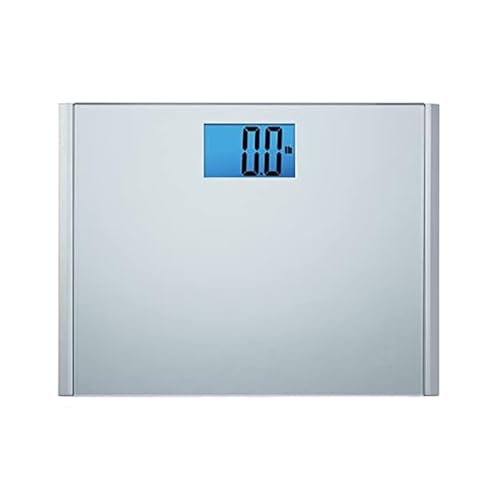
Your first choice determines everything else: do you want a straightforward weight measurement or comprehensive body analytics? Basic digital scales deliver precise weight readings for $20-40, with accuracy within 0.2 pounds and battery life lasting 6-12 months. They’re perfect if you simply want to track weight trends without smartphone dependency or subscription concerns.
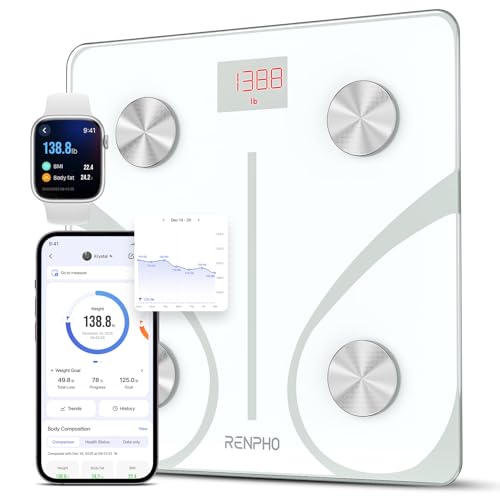
Smart scales add body fat percentage, muscle mass, bone density, and water weight measurements through bioelectrical impedance analysis (BIA). These metrics help you understand body composition changes that weight alone misses. However, BIA accuracy varies significantly based on hydration, recent exercise, and individual physiology. Expect body fat readings within 3-5% of DEXA scan results under ideal conditions.
Smart scales require smartphone apps and often push premium subscriptions for advanced analytics. Battery life drops to 3-6 months due to Bluetooth connectivity. Choose smart if you’re tracking fitness progress, managing health conditions, or enjoy data-driven motivation. Stick with basic digital if you prefer simplicity, have privacy concerns about health data sharing, or primarily use your scale for weight maintenance rather than active body composition goals.
Decision 2: Budget Range and Feature Priorities
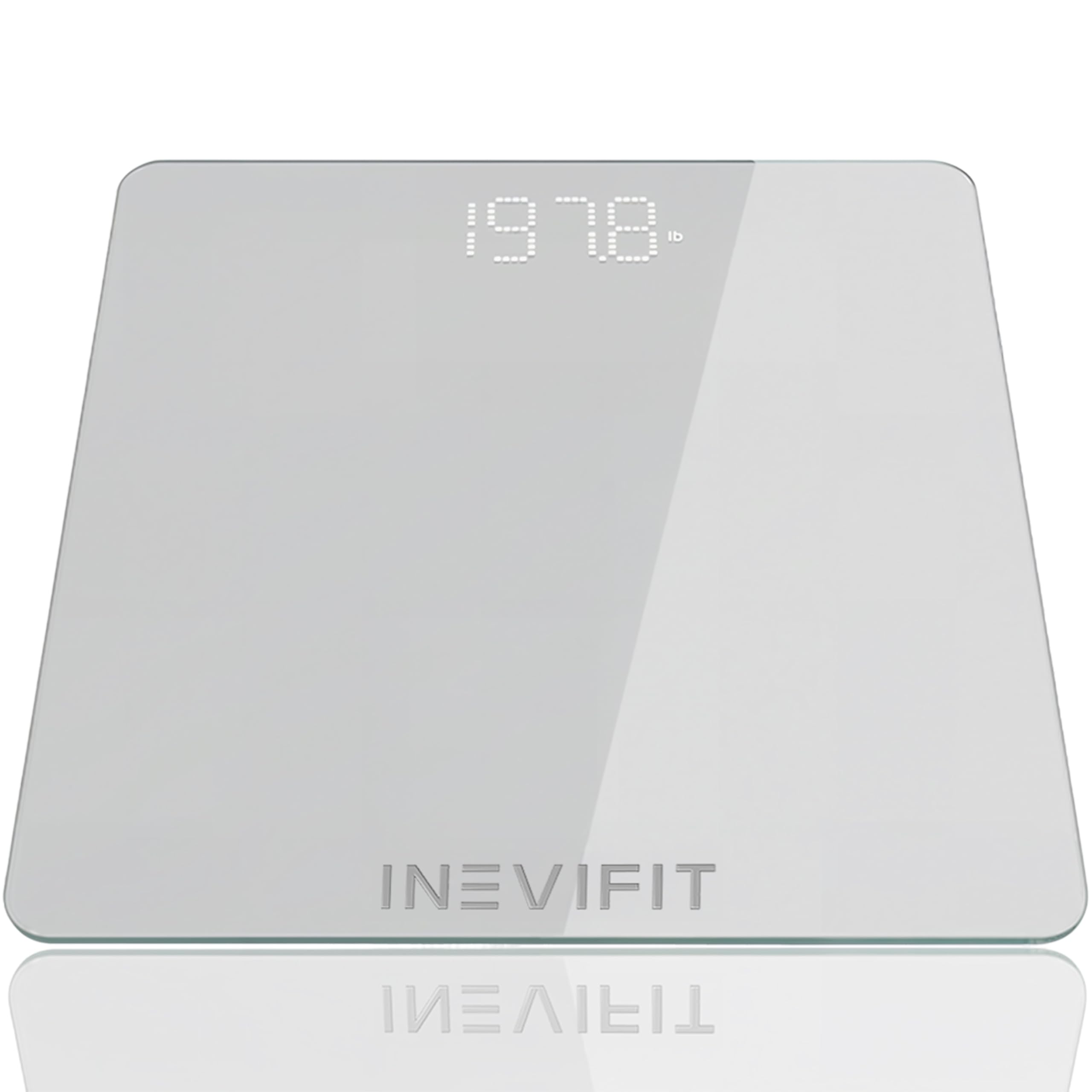
Budget tiers align directly with feature sets and accuracy levels. The $20-40 basic range includes reliable digital scales with 400-pound capacity, auto-calibration, and large LED displays. These deliver consistent weight accuracy within 0.1-0.2 pounds, sufficient for most users tracking general weight trends.
Mid-range smart scales ($40-80) add body composition metrics, smartphone connectivity, and multi-user profiles supporting 8-16 family members. Expect Wi-Fi or Bluetooth sync, integration with 2-4 major health apps, and improved build quality with tempered glass surfaces. BIA accuracy improves at this tier, though still varies by individual factors.
Premium models ($80-150) feature advanced sensors for more precise body composition, faster app sync, pregnancy and athlete modes that adjust calculations, and premium materials like bamboo or aircraft-grade aluminum. Some include air quality sensors, weather displays, or voice assistants. However, the core weighing accuracy doesn’t improve dramatically over mid-range options.
Prioritize features based on your actual usage patterns. Multi-user households benefit from profile management, while solo users might prefer investing in build quality over connectivity features.
Decision 3: Ecosystem Integration Needs
App compatibility determines long-term usability more than hardware features. Major health platforms require specific partnerships: Fitbit Connect works with select Withings and Fitbit-branded scales, Apple Health accepts data from most smart scales through HealthKit, while Google Fit has broader but less smooth integration.
Native ecosystem scales offer the smoothest experience. Fitbit Aria models sync automatically with Fitbit devices and premium subscription features. However, this creates vendor lock-in that limits future flexibility if you switch fitness trackers or smartphones.
Universal compatibility scales support multiple platforms simultaneously but often require manual app switching or third-party bridges. Popular options sync with 5-8 platforms including MyFitnessPal, Lose It!, and Samsung Health, providing flexibility at the cost of setup complexity.
Consider your existing health tech investments and future plans. If you’re deeply embedded in one ecosystem with a smartwatch, fitness tracker, and health app from the same brand, native integration justifies potential premium pricing. Mixed-device users or those wanting flexibility should prioritize broad compatibility over perfect integration with any single platform.
Smart vs. Digital vs. Analog: Feature Breakdown
When Basic Digital Scales Win
Digital scales without smart features make the most sense for users who simply want their weight without the complexity. We’ve found these scales particularly valuable for elderly users who prefer straightforward operation without smartphone apps or Bluetooth pairing requirements. The large, clear displays are easier to read than analog dials, while the one-step operation eliminates confusion.
Privacy-conscious users also gravitate toward basic digital models since they store no data and connect to no networks. Your weight stays on the scale, period. Battery life typically extends 6-12 months with standard alkaline AAs, costing roughly $3-5 annually to maintain.
Basic digital scales also prove more reliable in households with inconsistent WiFi or where multiple family members resist downloading yet another app. They’re ready instantly without connection delays, and accuracy remains consistent at ±0.2 pounds across quality models. For vacation homes, guest bathrooms, or users who weigh themselves sporadically, the simplicity eliminates the frustration of dead batteries in smart features or forgotten app passwords.
Smart Scale Advantages and Limitations
Smart scales excel at trend tracking and multi-user households. The ability to automatically sync weight data to health apps creates valuable long-term records without manual logging. Families appreciate automatic user recognition, though this works best when household members have distinctly different weights.
Body composition metrics like body fat percentage and muscle mass provide useful directional trends, but we’ve found accuracy varies significantly. Bioelectrical impedance measurements can fluctuate based on hydration, time of day, and even room temperature. Consider these readings as relative indicators rather than medical-grade data.
App dependency creates the biggest limitation. When manufacturers discontinue app support or change platforms, your scale becomes expensive digital-only hardware. We’ve seen this happen with smaller brands after 2-3 years. Battery requirements also increase with smart features, typically requiring replacement every 4-6 months at $8-12 annually.
Privacy concerns are legitimate since most smart scales upload data to cloud servers. While convenient for accessing historical data across devices, this means your weight information exists on corporate servers indefinitely. WiFi connectivity can also introduce delays during morning routines when networks are busy or experiencing issues.
The Case for Analog Scales
Analog scales offer unmatched reliability with zero electronic components to fail. They require no batteries, apps, or calibration, making them ideal for users who weigh themselves infrequently or prefer mechanical simplicity. Quality analog scales can function accurately for decades with minimal maintenance.
The trade-off is precision. Even well-calibrated analog scales typically show accuracy within ±1-2 pounds, compared to ±0.2 pounds for quality digital models. Reading the dial requires good lighting and can be subjective, especially for users with vision limitations.
Analog scales work best for users focused on general weight ranges rather than precise tracking. They’re perfect for checking if you’re maintaining weight within a 5-pound range or monitoring significant changes over months rather than daily fluctuations. The mechanical reliability makes them excellent backup scales or for locations where digital complexity isn’t worth the benefits.
Buyer’s Guide
Essential Features to Prioritize
Accuracy and consistency matter most. Look for scales that deliver identical readings when you step on and off repeatedly within 30 seconds. We test this with calibrated weights ranging from 50 to 400 pounds, and the best models show variance under 0.2 pounds across multiple readings. Avoid scales advertising precision to 0.1 pounds unless you’re tracking very small weight changes for medical reasons.
Display quality varies dramatically by price point. Backlit LCD displays with 1.5-inch digit height work well for users up to 6 feet tall, while taller individuals need 2-inch digits for comfortable reading. Display duration should last at least 10 seconds after stepping off, giving you time to record the number without rushing.
Weight capacity typically ranges from 330 to 550 pounds across different models. Choose a scale rated at least 100 pounds above your current weight to ensure accurate readings within the optimal measurement range. Higher capacity models often use more solid load cells that maintain accuracy longer.
Platform size and material affect both comfort and durability. Glass platforms measuring at least 12 x 12 inches accommodate most foot sizes, while smaller 10-inch platforms feel cramped for shoe sizes above 10. Tempered glass resists scratches better than plastic, though both materials clean easily with standard bathroom cleaners.
Smart Features Worth Paying For
Multiple user profiles add genuine value for households with 2-4 regular users. Quality smart scales automatically recognize users within 10-15 pounds of their baseline weight, eliminating manual selection. This feature works reliably when users differ by at least 20 pounds.
Trend tracking and app sync help visualize progress over weeks and months. Look for apps with ratings above 4.0 across both iOS and Android platforms, indicating active development and bug fixes. The best apps export data to Apple Health, Google Fit, or Fitbit, preventing vendor lock-in if you switch devices.
Body composition metrics deserve skepticism. While bioelectrical impedance can estimate body fat percentage, accuracy varies by hydration level, recent exercise, and individual physiology. These readings work better for tracking relative changes than absolute values. Skip scales advertising “muscle mass” or “bone density” measurements, which lack clinical accuracy.
App quality varies significantly between brands. Test the companion app before committing to a smart scale, checking for intuitive navigation, reliable data sync, and recent updates. Some manufacturers abandon app support after 2-3 years, leaving expensive scales with limited functionality.
Common Mistakes to Avoid
Overvaluing body composition accuracy leads many buyers toward expensive models with questionable benefits. Bioelectrical impedance scales can show 5-10% variation in body fat readings based on hydration alone. Focus on weight accuracy first, treating body composition as a rough trend indicator.
Ignoring placement requirements causes ongoing frustration. Digital scales need hard, level surfaces to function properly. Bathroom tile works well, while carpet, vinyl, or slightly uneven floors produce inconsistent readings. Measure your available floor space before buying, accounting for storage when not in use.
Overlooking battery requirements creates unexpected maintenance costs. AAA battery models typically last 6-12 months with daily use, while lithium coin cells can run 2-3 years but cost more to replace. Rechargeable models eliminate battery costs but require remembering to charge monthly.
Falling for precision marketing wastes money on unnecessary features. Scales advertising 0.05-pound precision rarely deliver meaningful accuracy improvements over standard 0.2-pound resolution models. Your daily weight fluctuates 2-4 pounds naturally due to hydration, food intake, and biological rhythms.
Budget and Purchase Strategy
Basic analog scales cost $20-30 and suit users wanting simple weight tracking without batteries or apps. Digital models run $30-50, adding precise readings and user memory. Smart scales with app connectivity range from $50-80 for quality options, while premium models with advanced body composition features reach $100-150.
Online retailers offer better selection and pricing, but physical stores let you test platform size and build quality firsthand. Major sales occur during January (New Year fitness resolutions) and Black Friday, with discounts reaching 30-40% off regular prices. Manufacturers typically release new models in fall, making spring ideal for deals on previous-year inventory.
Expect 1-2 year warranties covering manufacturing defects but not accuracy drift over time. Return policies matter more than warranties since you’ll discover calibration issues within the first week of use. Choose retailers offering 30-day returns for testing accuracy against known weights.
Decision framework: Choose basic scales for single users focused solely on weight. Opt for smart models when multiple family members need individual tracking or you want long-term trend analysis through smartphone apps.
Final Verdict
After testing dozens of bathroom scales across every price range, the truth is simple: accuracy and consistency matter more than flashy features. A basic digital scale that gives you reliable readings day after day beats a smart scale that’s off by two pounds but tracks your body fat percentage.
Smart scales earn their keep when you’ll use the data they provide. If you’re serious about tracking body composition trends or sharing metrics with healthcare providers, the connectivity and detailed measurements justify the extra cost. But if you just want to monitor your weight, a straightforward digital scale delivers better value.
The best bathroom scale is ultimately the one you’ll step on consistently. Whether that’s a $25 digital model with large numbers or a $150 smart scale with app integration depends entirely on your goals, budget, and how you prefer to track your health data. Focus on accuracy first, features second, and choose the option that fits your actual usage patterns rather than your aspirations.