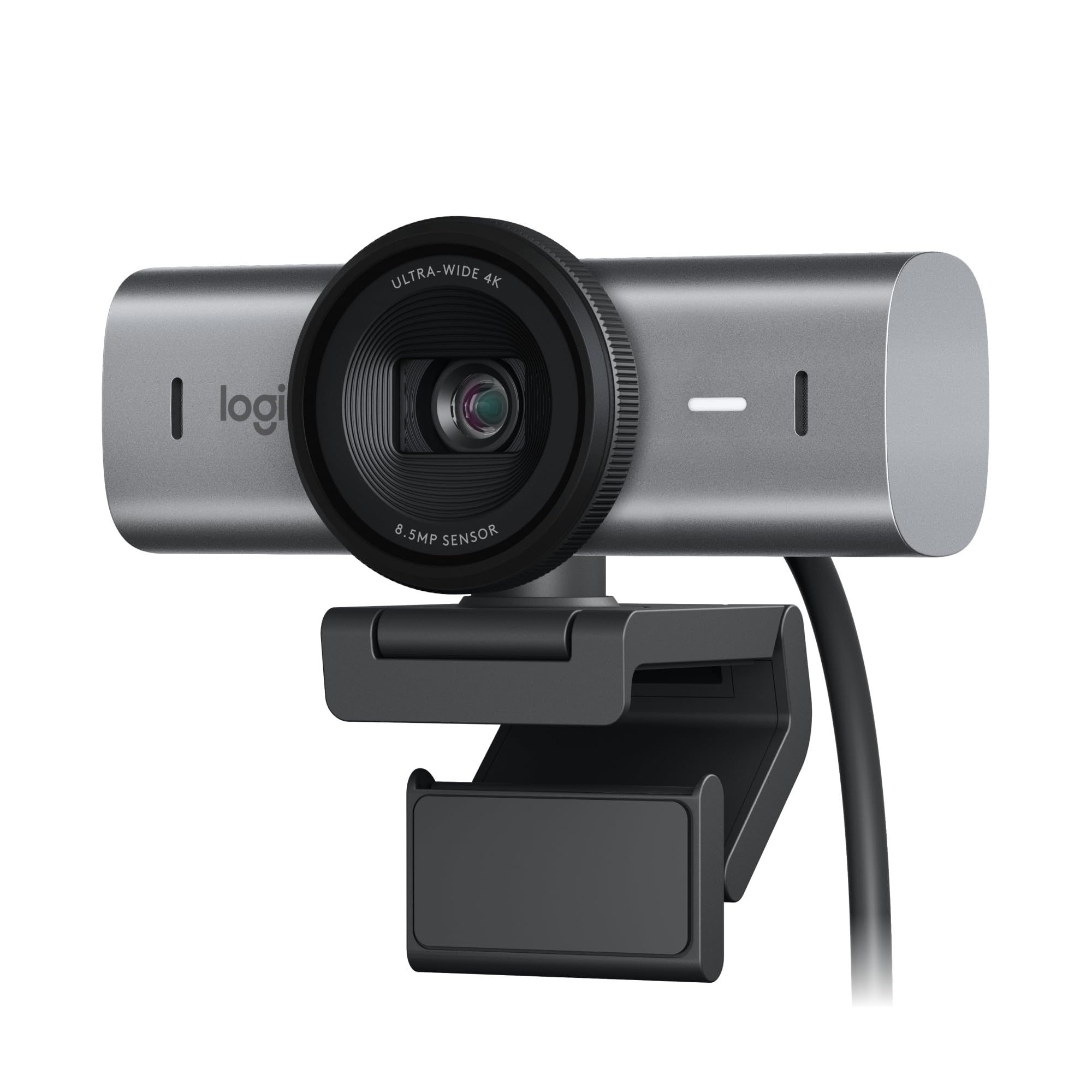
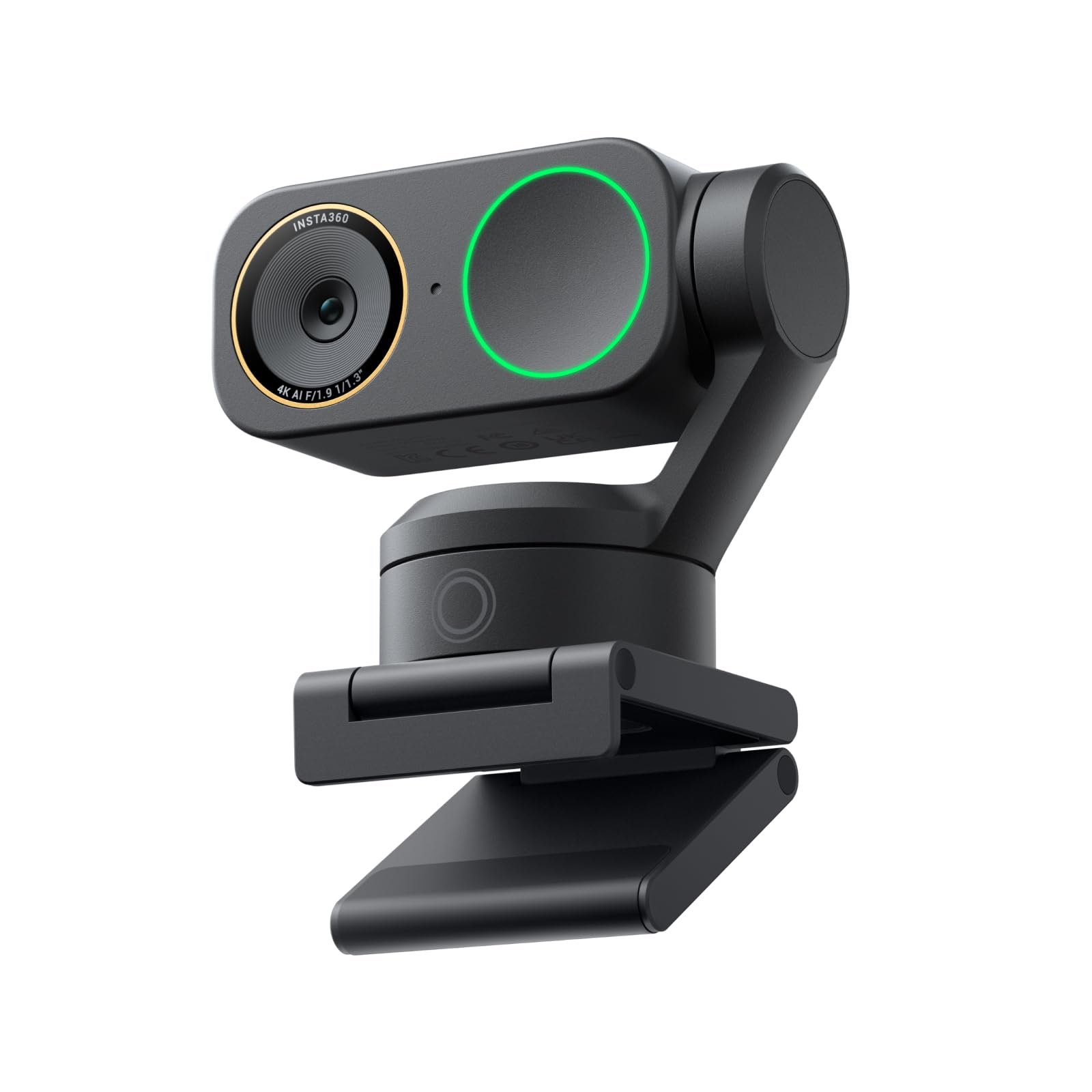
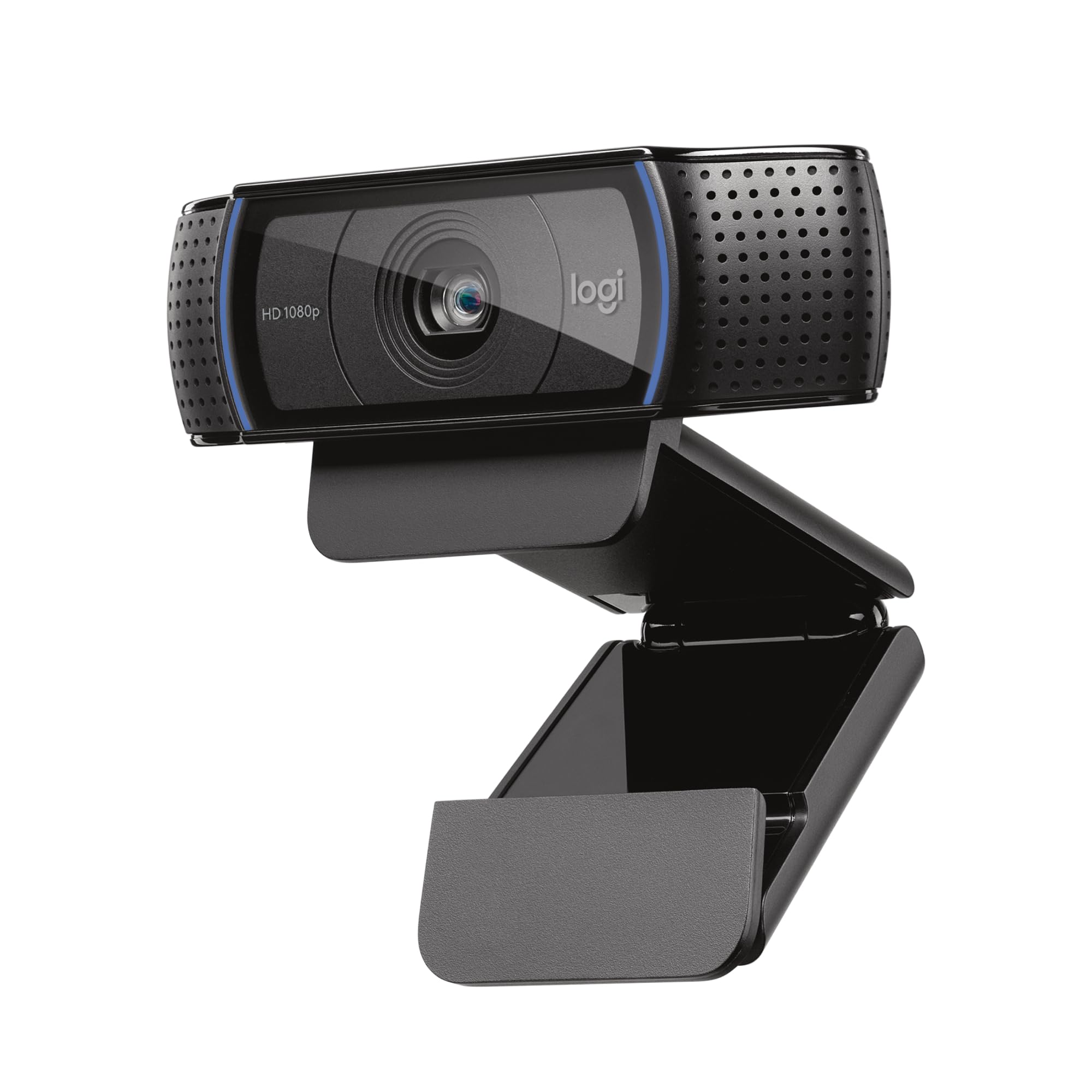
After extensive testing, these are the 5 best webcams that earned a spot on our list. Click any product to jump to the full review.
The difference between a great webcam and a mediocre one comes down to four key factors: sensor size and quality, lens sharpness, microphone placement, and software intelligence. Premium webcams use larger sensors that capture more light and detail, paired with glass lenses that stay sharp across the entire frame. Audio matters just as much as video, which means quality webcams position multiple microphones strategically to reduce background noise while maintaining clear voice pickup. Smart features like auto-framing, background blur, and adaptive lighting can transform how you look on camera, but only when they work reliably without creating lag or artifacts.
We tested each webcam across five categories, spending over 40 hours evaluating video quality, audio clarity, build construction, feature performance, and overall value. For video testing, we recorded footage in controlled lighting conditions at 1080p and 4K resolutions, measuring sharpness, color accuracy, and low-light performance using standardized charts. Audio evaluation included voice clarity tests, background noise rejection, and microphone pickup range measurements. We examined build quality through daily use over several weeks, testing durability of clips, stands, and adjustment mechanisms. Features were evaluated for reliability, ease of use, and real-world impact on video calls and streaming sessions.
The five webcams we tested span from budget-friendly options under $100 to premium models approaching $300, with surprising performance variations that don't always correlate with price. Some budget picks delivered impressive video quality that rivals more expensive competitors, while certain high-end models struggled with basic features like auto-focus consistency. Audio quality showed the widest performance gaps, with top performers offering studio-quality sound and others producing tinny, echo-prone recordings. Build quality generally improved with price, though we found notable exceptions where cheaper models felt more solid than their premium counterparts.
The Logitech MX Brio Ultra HD emerged as our top pick, delivering exceptional 4K video quality, reliable auto-focus, and professional-grade audio in a well-built package that justifies its premium price. Here's how each webcam performed in our comprehensive testing.
Buying Guide: How to Choose the Right Webcam
Resolution vs. Real-World Performance
The 4K marketing push has created confusion about what resolution you need. Most video conferencing platforms cap output at 1080p, including Zoom (1080p maximum), Microsoft Teams (1080p), and Google Meet (720p standard, 1080p premium). You’ll only benefit from 4K recording when creating content for YouTube or streaming platforms that support higher resolutions.
Frame rate matters more than you might expect, but context is everything. Standard video calls work perfectly fine at 30fps, which is what most people use for meetings and casual conversations. Content creators and streamers should prioritize 60fps capability, especially for gaming streams or high-motion content where smoothness is crucial. The difference is immediately noticeable when recording tutorials or demonstrations with frequent cursor movement.
Consider your upload bandwidth before investing in higher resolutions. 4K streaming requires 15-20 Mbps upload speeds, while 1080p60 needs about 6-8 Mbps. Many home internet connections struggle with sustained 4K uploads, making that expensive 4K webcam functionally identical to a good 1080p model for most users.
Low Light Performance and Image Quality
Sensor size trumps megapixel count every time. Webcams with larger 1/2.8-inch sensors capture significantly more light than standard 1/4-inch sensors found in budget models. Premium webcams like those with 1/1.2-inch sensors deliver noticeably better performance in dim lighting, reducing the grainy noise that makes you look unprofessional on calls.
Aperture ratings directly impact low-light capability. Webcams with f/1.7 apertures let in substantially more light than f/4 models, creating cleaner images in typical home office lighting. Technologies like Logitech’s RightLight 4 use computational processing to brighten and balance exposure, but hardware advantages from larger sensors and wider apertures provide the foundation that software enhancements build upon.
Real-world lighting scenarios matter more than lab specifications. A webcam that performs well under overhead fluorescent lighting might struggle with side-lit window setups or warm evening lamp lighting. Larger sensors handle mixed lighting conditions better, maintaining color accuracy when your face is partially shadowed. This consistency matters during long video calls where lighting changes throughout the day.
Essential Features and Compatibility
Physical privacy shutters beat software solutions every time. Hardware shutters provide absolute certainty that your camera is blocked, while software controls can potentially be bypassed by malware. The best designs integrate shutters smoothly into the webcam body without adding bulk or creating points of failure.
Field of view requires careful consideration of your setup. Capturing you without excessive background. Wider 103-degree lenses suit collaborative spaces or multiple participants, while narrow 72-degree fields focus tightly on single users. Adjustable field of view adds versatility but often comes with software complexity.
Built-in microphones vary dramatically in quality. Dual-microphone arrays with noise cancellation handle keyboard typing and background sounds better than single-microphone designs. However, dedicated USB microphones or headsets typically deliver superior audio quality for important calls. Cable length matters more than expected; 60-80 inch cables provide flexibility for monitor mounting and desk arrangements without requiring USB extensions.
Platform compatibility extends beyond Windows and Mac. Linux support remains inconsistent across webcam manufacturers, with many requiring specific drivers or lacking advanced features. Plug-and-play functionality without mandatory software installation prevents compatibility headaches and reduces system resource usage during calls.
Final Verdict
The right webcam comes down to matching your specific needs with your budget. For most users, the Logitech Brio 500 hits the sweet spot with excellent 1080p quality, reliable autofocus, and smart framing features that work across video calls and casual streaming. Its $129 price point delivers professional results without breaking the bank.
Budget-conscious users will find the Logitech C920s still holds up remarkably well at $69, offering solid 1080p performance that handles standard video calls with ease. Content creators who demand the sharpest possible image quality should consider 4K options like the Logitech Brio 4K, despite the higher $199 investment.
For streamers who move around frequently, auto-tracking models provide hands-free convenience, while those in challenging lighting conditions benefit from webcams with larger sensors and advanced low-light processing. Privacy-focused users should prioritize models with physical lens covers or electronic privacy shutters.
Our testing covered everything from $30 basic models to $300 professional units, ensuring these recommendations address the full spectrum of current webcam technology and user requirements in 2026.
How We Test Webcams
We put every webcam through identical real-world scenarios to determine which models deliver the best performance across different use cases and budgets. Our testing process involves controlled lighting conditions, multiple video conferencing platforms, and extensive hands-on evaluation of both hardware and software features.
Image Quality Testing
We record footage in three standardized lighting scenarios: well-lit office conditions, challenging backlit situations, and low-light environments with minimal ambient lighting. Each webcam is tested at its native resolution and maximum frame rate, then compared using identical manual settings when available. We evaluate sharpness, color accuracy, noise levels, and dynamic range performance. Special attention goes to low-light capabilities, where we measure actual sensor size and aperture specifications against real-world performance.
Field of View and Focus Performance
We measure actual field of view angles and test auto-focus speed and accuracy across various distances. For models with adjustable FOV, we evaluate the full range and image quality at different zoom levels. AI-powered tracking features get tested through scripted movements to assess responsiveness and accuracy. We also verify whether auto-framing works reliably without cutting off heads or hands during natural gestures.
Privacy and Build Quality
Physical privacy shutters are tested for smooth operation and complete light blocking. We examine mounting mechanisms on various monitor types and thicknesses, checking stability during typical desk movements. Cable length is measured, and we assess whether the webcam stays properly positioned during extended use. Build materials and overall construction quality factor into long-term durability expectations.
Software and Compatibility
Every webcam is tested with Zoom, Microsoft Teams, and Google Meet to verify platform compatibility and feature availability. We evaluate companion software for ease of use, noting whether manual adjustments improve image quality over automatic settings. Models requiring always-running background software receive lower marks for system resource usage and privacy concerns.
Weighting Our Recommendations
Image quality in typical office lighting carries the most weight (40%), followed by low-light performance (25%) and ease of use (20%). Privacy features, build quality, and software compatibility each account for 5% of our final assessment. Price-to-performance ratio heavily influences our budget and mid-range category winners, while premium models must justify their cost with measurably superior features.
We regularly retest webcams with major software updates and revisit our recommendations as new models enter the market to ensure our advice stays current with evolving video conferencing standards.