



Why Your Built-In Webcam Isn’t Cutting It
Your laptop’s built-in webcam delivers grainy, poorly lit video that makes you look like you’re calling from a basement bunker. We’ve sat through countless Zoom meetings where colleagues appeared as pixelated shadows, their faces barely distinguishable from the background. The difference becomes painfully obvious when someone joins with a quality external webcam – suddenly they’re the only person who looks professional and engaged.
Most laptop cameras max out at 720p resolution with fixed focus lenses and tiny sensors that struggle in anything less than perfect lighting. They’re positioned at unflattering angles below your eye line, creating an awkward upward perspective that no amount of good lighting can fix. The cheap plastic lenses produce soft, muddy images that lack the sharpness needed for professional video calls.
Here’s where things get interesting: Zoom caps video quality at 1080p regardless of your webcam’s capabilities. That means your expensive 4K webcam gets compressed down to the same resolution as a basic 1080p model. However, higher-end cameras still deliver superior image quality within that 1080p constraint because they start with better sensors, optics, and processing.
Zoom’s compression algorithm favors certain characteristics over others. Cameras with better low-light performance maintain detail when the platform’s compression kicks in, while models with poor sensors turn into blocky messes. Auto-focus systems become crucial because Zoom’s compression amplifies any softness or blur. Wide dynamic range helps preserve detail in both shadows and highlights after compression reduces overall image data.
The professional impact extends beyond vanity. Studies show that higher video quality correlates with increased perceived competence and trustworthiness in virtual meetings. When you’re competing for promotions, pitching clients, or leading team discussions, appearing crisp and professional gives you a measurable advantage over colleagues stuck with laptop cameras.
Frame rate matters more than you might expect. While 30fps looks smooth, 60fps webcams provide noticeably more natural movement during gestures and head movements. The difference becomes pronounced during animated discussions or presentations where you’re moving your hands frequently.
Field of view selection lets you control your presence in the frame. Narrow fields work better for close desk setups, while wider angles accommodate larger spaces or multiple people. Most laptop cameras offer no adjustment, forcing you to work within their fixed perspective regardless of your setup.
Our Top Webcam Picks for Every Zoom User
After weeks of testing webcams in actual Zoom meetings, we’ve identified four standout performers that excel in different scenarios. Each brings unique strengths to video conferencing, whether you’re presenting to clients, teaching online classes, or joining quick team check-ins.
The Logitech Brio 505 emerged as our top pick for professionals who move around during calls. Its subject tracking technology kept us perfectly centered even when we leaned back to grab notes or gestured while explaining concepts. During a particularly animated product demo, the camera smoothly followed our movements without the jerky adjustments that plague cheaper models. The automatic white balance impressed us most during golden hour calls, maintaining natural skin tones while our laptop’s built-in camera turned everything orange.
For budget-conscious users who still want crisp video, the Anker PowerConf C200 2K delivers remarkable value. We tested it in a cramped home office setup where desk space was premium, and its compact footprint proved ideal. The 2K resolution provided noticeably sharper detail than standard 1080p cameras, making text documents clearly readable when shared on screen. Though the basic feature set means you’ll miss conveniences like auto-framing or advanced noise reduction.
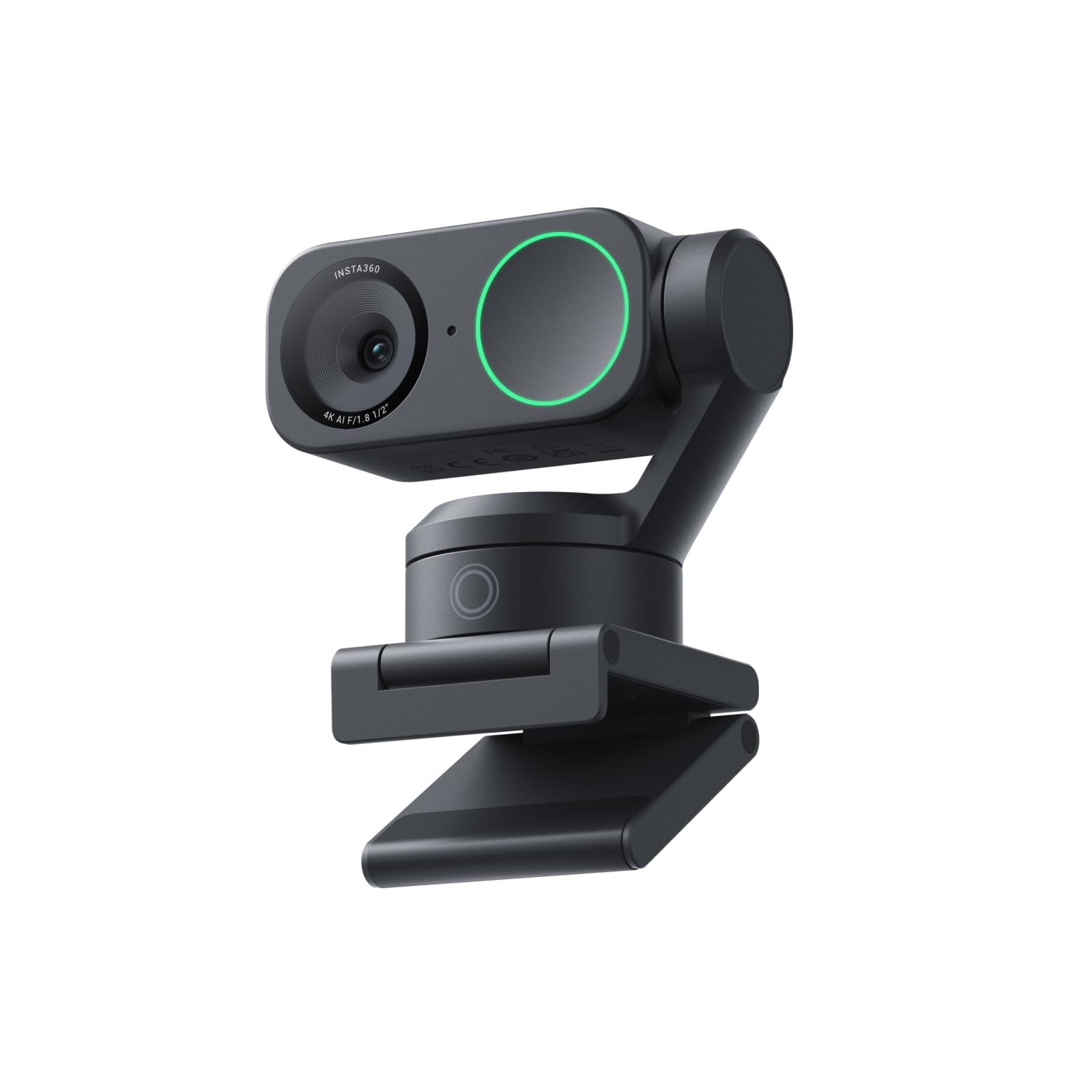
The Insta360 Link 2 Pro at $199.99 represents the sweet spot between features and performance for serious remote workers. Its 4K resolution creates incredibly detailed video that makes you look polished in client presentations. What sets it apart are the hand-gesture commands that let you zoom or track without touching your computer, a surprisingly useful feature during screen-sharing sessions. The exposure and white balance algorithms consistently outperformed our other test cameras in challenging lighting conditions, from harsh overhead fluorescents to dim evening calls.
For content creators who occasionally join Zoom calls, the Razer Kiyo Pro Ultra brings DSLR-quality video to conferencing. Its genuine bokeh effect naturally blurs backgrounds without software processing, creating a professional look that software-based background blur can’t match. The low-light performance proved exceptional during early morning calls before sunrise, maintaining clear, noise-free video when other cameras struggled. However, the premium price makes it overkill if you only need basic video calling functionality.
Each camera excelled in our real-world testing scenarios, from presenting quarterly reports to teaching online workshops. The key is matching the camera’s strengths to your specific Zoom usage patterns and workspace constraints.
We put each camera through rigorous testing across different meeting scenarios to understand their real-world performance. On top of that, the Logitech Brio 505 truly shines for sales professionals and consultants who present frequently. During a 90-minute client pitch where we constantly referenced whiteboards and product samples, the tracking never lost focus. Teachers conducting virtual classes will appreciate how it maintains eye contact with students even when moving between different areas of their workspace.
The Anker PowerConf C200 2K proved perfect for remote employees in shared living spaces where setup flexibility matters. We tested it clipped to a thin laptop screen in a busy coffee shop, and the stable mount handled the constant vibrations from foot traffic. The 2K resolution made spreadsheet reviews surprisingly clear for our accounting team meetings.
Creative professionals will find the Insta360 Link 2 Pro invaluable for design reviews and portfolio presentations. On top of that, the gesture controls eliminated awkward pauses when we needed to zoom in on detailed mockups during client feedback sessions. Meanwhile, the Razer Kiyo Pro Ultra transforms executive presentations, making C-suite calls feel more like in-person meetings thanks to its cinematic depth of field.
Which Webcam Matches Your Zoom Needs
For Basic Video Calls and Budget-Conscious Users
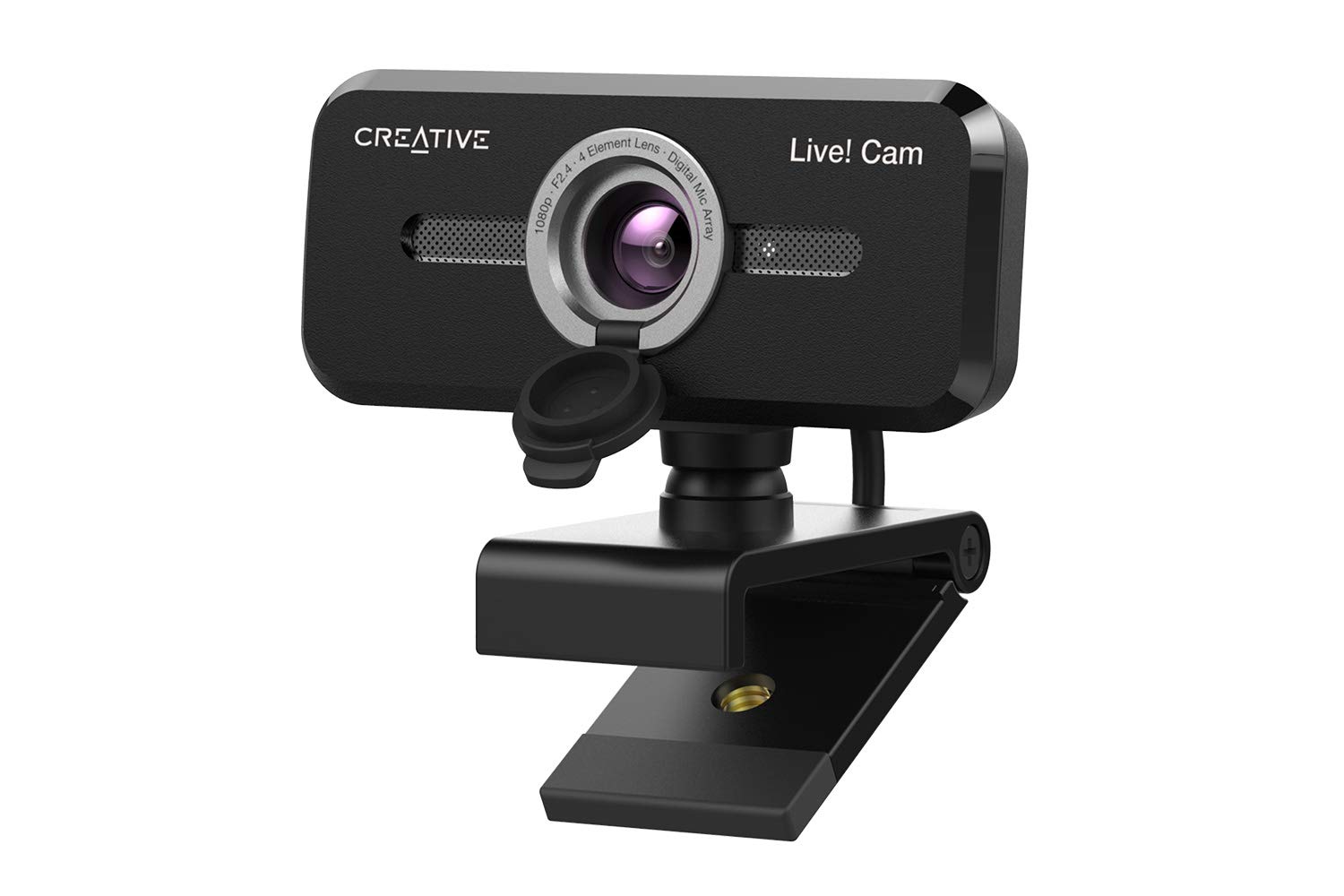
If you’re joining family video calls, attending virtual classes, or participating in occasional work meetings, you don’t need premium features. Budget webcams in the $30-60 range deliver perfectly acceptable 1080p video quality that looks professional on Zoom without breaking the bank.
Look for models with fixed focus lenses and basic autofocus capabilities. These cameras handle typical desk setups well, maintaining sharp images when you’re sitting 2-3 feet away. Built-in microphones on budget options often suffice for quiet environments, though you might want separate audio for noisy spaces.
Students particularly benefit from compact designs that clip securely to laptop screens without adding bulk to backpacks. Privacy shutters provide peace of mind between classes. While these cameras won’t impress with low-light performance, they excel in well-lit rooms with natural window light or basic desk lamps.
For Professional Remote Workers
Daily video meetings demand reliability and consistent image quality that represents you professionally. Mid-range webcams ($80-150) offer the sweet spot between performance and price for full-time remote workers.
Prioritize models with advanced autofocus systems that quickly adjust when you move around your workspace. Auto light correction becomes crucial for maintaining professional appearance throughout changing daylight conditions. Many options in this tier include software that enhances your image in real-time, smoothing out unflattering lighting or background distractions.
Field of view flexibility matters more than you’d expect. Wider angles work better for collaborative sessions where you might share documents or demonstrate products, while narrower views keep focus on your face during one-on-one client calls. USB-C connectivity future-proofs your setup as more laptops adopt this standard exclusively.
Consider models with physical privacy covers rather than software-only solutions. You’ll use this feature constantly between back-to-back meetings.
For Content Creators and Power Users
Premium webcams ($200-400) transform your setup into a professional broadcasting station that extends far beyond Zoom calls. These cameras often record 4K video for content creation while simultaneously streaming 1080p to your video calls.
AI-powered features like automatic framing track your movement, keeping you centered even when you gesture or reach for props. Advanced image sensors perform remarkably well in challenging lighting, automatically adjusting exposure and color balance faster than you can notice.
Multiple mounting options accommodate complex setups. Some models work equally well on tripods for overhead shots, monitor mounts for eye-level positioning, or traditional clip-on arrangements. Professional-grade optics with manual focus controls let you achieve specific looks, from sharp detail to subtle background blur.
Software ecosystems matter significantly at this level. The best options integrate with streaming software, offer custom profiles for different use cases, and provide granular control over image settings. You’re investing in a tool that grows with your needs.
Buying Guide
Resolution and Frame Rate: What Matters for Zoom
Despite aggressive 4K marketing, most video conferencing platforms cap video quality at 1080p. Zoom limits individual participant feeds to 720p in group calls and 1080p in one-on-one sessions, regardless of your webcam’s maximum resolution. Microsoft Teams and Google Meet impose similar restrictions, making that expensive 4K webcam largely irrelevant for actual video calls.
Frame rate proves more impactful than raw resolution for smooth video conferencing. A consistent 30fps at 720p delivers better call quality than choppy 4K footage that stutters due to bandwidth limitations. Zoom requires 1.2 Mbps upload speed for 720p HD video and 1.8 Mbps for 1080p. Factor in other household internet usage, and many users struggle to maintain stable high-resolution feeds.
Higher resolution webcams still offer advantages through superior image processing and downsampling. A quality 1080p camera typically produces sharper, more color-accurate video than a budget 720p model, even when both are compressed to Zoom’s standards. The better sensor and optics shine through despite platform limitations.
Consider your internet connection realistically. Upload speeds below 5 Mbps make 1080p video unreliable during peak usage hours. Test your connection during typical meeting times, not at 3 AM when bandwidth is plentiful.
Essential Features for Video Conferencing
Autofocus speed matters more for video calls than photography. You’ll lean forward to read documents, gesture with your hands, and shift positions throughout meetings. Fast, accurate autofocus keeps you sharp during these natural movements. Budget webcams often hunt for focus or lock onto background objects, creating distracting blur during important presentations.
Low-light performance determines whether you look professional or like a shadowy figure from a horror movie. Most home offices lack ideal lighting, making auto-exposure and noise reduction critical features. Quality webcams compensate for poor lighting conditions without washing out your face or introducing grainy artifacts that make you appear unprofessional.
Field of view requires careful consideration for your specific setup. The popular 78-90 degree range works well for standard desk distances, showing your head and shoulders without excessive background. Wider angles can reveal messy rooms or create unflattering perspectives, while narrow fields crop too tightly for natural conversation.
Built-in microphones serve as adequate backups but rarely match dedicated audio solutions. Laptop microphones pick up keyboard noise and room echo, while webcam mics improve directionality but still capture ambient sounds. Budget $30-50 for a dedicated USB microphone if audio quality matters for your professional image.
Privacy features have evolved beyond basic lens caps. Physical shutters, privacy dials, and indicator lights provide peace of mind in an era of security concerns. Software-based privacy controls can be bypassed by malware, making physical barriers essential for sensitive work environments.
Setup and Compatibility Considerations
Mounting flexibility affects your professional appearance more than camera specs. Eye-level positioning creates natural conversation angles, while cameras placed too low produce unflattering upward angles that emphasize double chins and nostrils. Adjustable clips work for thin monitors, but external tripods or monitor arms provide better positioning control for thick bezels or dual-monitor setups.
Software requirements vary significantly between manufacturers. Some webcams work immediately with plug-and-play simplicity, while others require companion software for basic functionality. Logitech’s software offers extensive customization but isn’t mandatory, whereas some budget brands need their apps to achieve advertised features. Check software compatibility with your operating system, especially if you’re using older Windows versions or macOS.
Lighting optimization costs less than expensive cameras but provides bigger visual improvements. A simple ring light ($25-40) or desk lamp with daylight bulbs dramatically improves image quality from any webcam. Position lighting sources in front of your face, not behind you, to avoid silhouette effects that make you appear as a shadowy outline.
Common setup mistakes include placing cameras too close (creating wide-angle distortion), too far (making you appear tiny), or at awkward angles that require neck strain. Test your setup during actual video calls, not just in camera preview windows, since compression and platform processing can reveal issues invisible in local previews.
Final Verdict
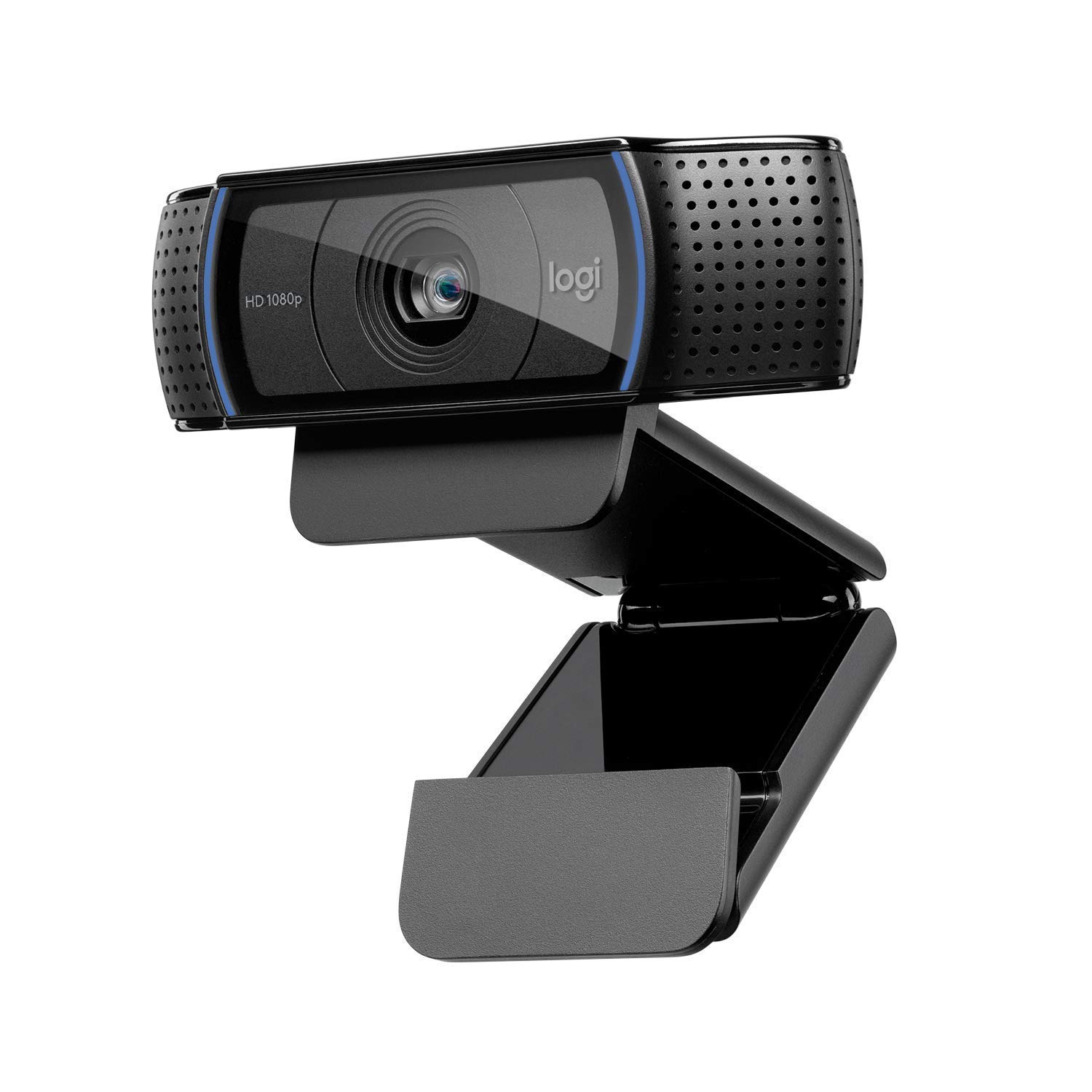
The Logitech C920s Pro HD remains our top recommendation for most Zoom users, delivering excellent 1080p video quality, reliable autofocus, and built-in privacy shutter at a reasonable $70 price point. Its plug-and-play compatibility with virtually every video conferencing platform makes it the safe choice for professionals who need consistent performance without technical headaches.
Budget-conscious users will find the Logitech C270 perfectly adequate for basic video calls at just $25, while content creators and executives should consider the Logitech Brio for its 4K capabilities and superior low-light performance at $200.
Your specific needs matter more than following our rankings blindly. Consider your lighting conditions, meeting frequency, and whether you prioritize convenience features like auto-framing or manual controls for fine-tuning image quality.
Upgrading from your laptop’s built-in camera will immediately improve how colleagues and clients perceive your professionalism. The difference in image clarity, color accuracy, and overall presence during video calls justifies the investment for anyone conducting regular business meetings.