



Buying Guide
Capacity and Size Considerations
Ski boot bags range from compact 35-liter options to massive 123-liter haulers, but the sweet spot falls between 60-75 liters for most skiers. This capacity accommodates a pair of boots (sizes 23.5 to 31), helmet, goggles, and essential accessories without becoming unwieldy.
Airline carry-on compatibility requires strict attention to dimensions. Major carriers limit carry-ons to 22 x 14 x 9 inches, though some allow up to 24 x 16 x 10 inches. Bags exceeding these dimensions force you into checked luggage territory, where rough handling poses risks to expensive gear. We’ve found that 60-liter bags typically measure around 23 x 15 x 12 inches, pushing close to limits but often acceptable.
Boot size accommodation varies significantly between designs. Larger boots (size 28+) need bags with expandable compartments or generous internal dimensions. Conversely, smaller boots (under size 26) can rattle around in oversized compartments, reducing protection effectiveness. Look for adjustable dividers or compression straps that secure boots regardless of size.
Consider your additional gear needs carefully. Frequent travelers benefit from extra space for base layers, tools, and spare parts. Weekend warriors might prioritize compact size over maximum capacity. Remember that a half-empty large bag offers less protection than a properly filled smaller one.
Protection and Organization Features
Protection starts with strategic padding placement. Quality bags feature reinforced padding around boot zones and dedicated helmet compartments with cushioned walls. The padding should be at least 15mm thick in high-impact areas, with denser foam protecting boot buckles and bindings from crushing damage during transport.
Compartment organization prevents gear from banging together during travel. Separate boot compartments with rigid dividers stop boots from colliding, while dedicated helmet storage prevents scratches on visors and vents. Internal pockets for goggles, gloves, and small accessories keep everything accessible and protected.
Water-resistant materials prove essential for wet conditions and melting snow. Look for bags with 600-denier polyester or nylon construction with PU coating, offering water resistance ratings around 1,500mm. Fully waterproof bags cost more but protect against soaking during outdoor storage or unexpected weather exposure.
Durability factors include reinforced stress points, YKK zippers rated for repeated use, and ripstop fabric that resists tearing. Quality construction adds $30-50 to the price but prevents premature failure. Consider that replacing a $200 bag every two seasons costs more than buying a $280 bag that lasts five years. Reinforced bottom panels and corner guards protect against abrasion from concrete, gravel, and rough handling.
Specialized Features Worth Considering
Heated bags address cold climate challenges where frozen boots become uncomfortable and potentially damaging to feet. Battery-powered heating elements warm boots overnight, though they add $100-150 to the cost and require charging infrastructure. These features benefit skiers facing sub-zero temperatures or multi-day backcountry trips.
Wheeled options transform heavy loads into manageable transport. Quality wheels and telescoping handles reduce strain when carrying 15-20 pounds of gear through airports or parking lots. However, wheels add weight and complexity while potentially failing on rough surfaces. Removable wheel systems offer compromise solutions.
Carry style choice between backpack and duffel depends on your travel patterns. Backpack designs distribute weight evenly and free your hands for other gear, making them ideal for public transportation or long walks. Duffel styles offer easier packing access and typically cost $20-40 less, but concentrate weight on one shoulder or require two-handed carrying.
Ventilation systems prevent moisture buildup and odor development. Mesh panels, ventilation ports, and moisture-wicking linings help boots dry between uses. Some bags include removable, washable boot liners that absorb moisture and can be cleaned separately. While not essential, these features significantly improve hygiene during extended trips or frequent use.
Final Verdict
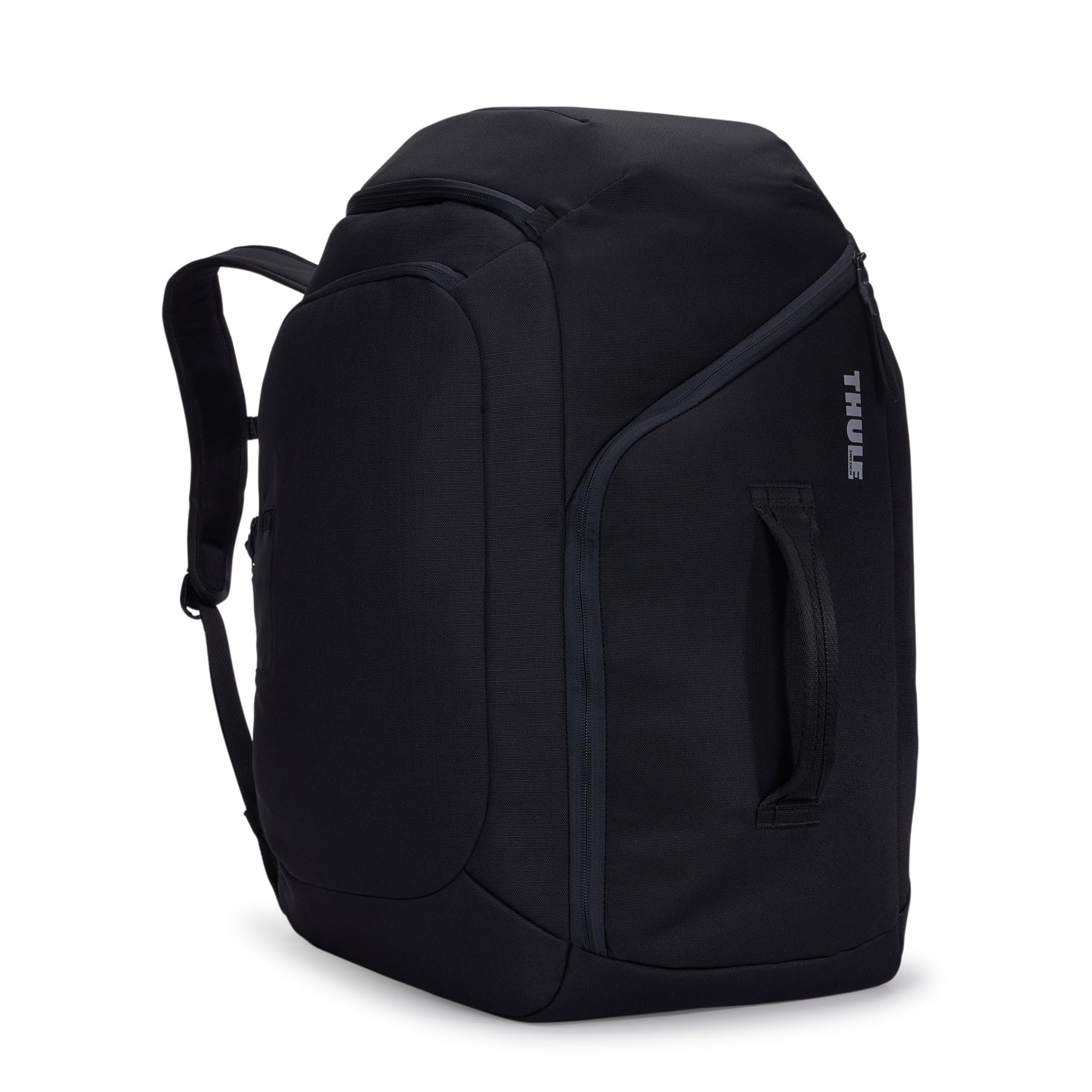
The Thule RoundTrip Boot Bag consistently delivered the best combination of protection, durability, and thoughtful design features across our testing. Its reinforced construction, ventilation system, and multiple carrying options make it worth the $89 investment for most skiers.
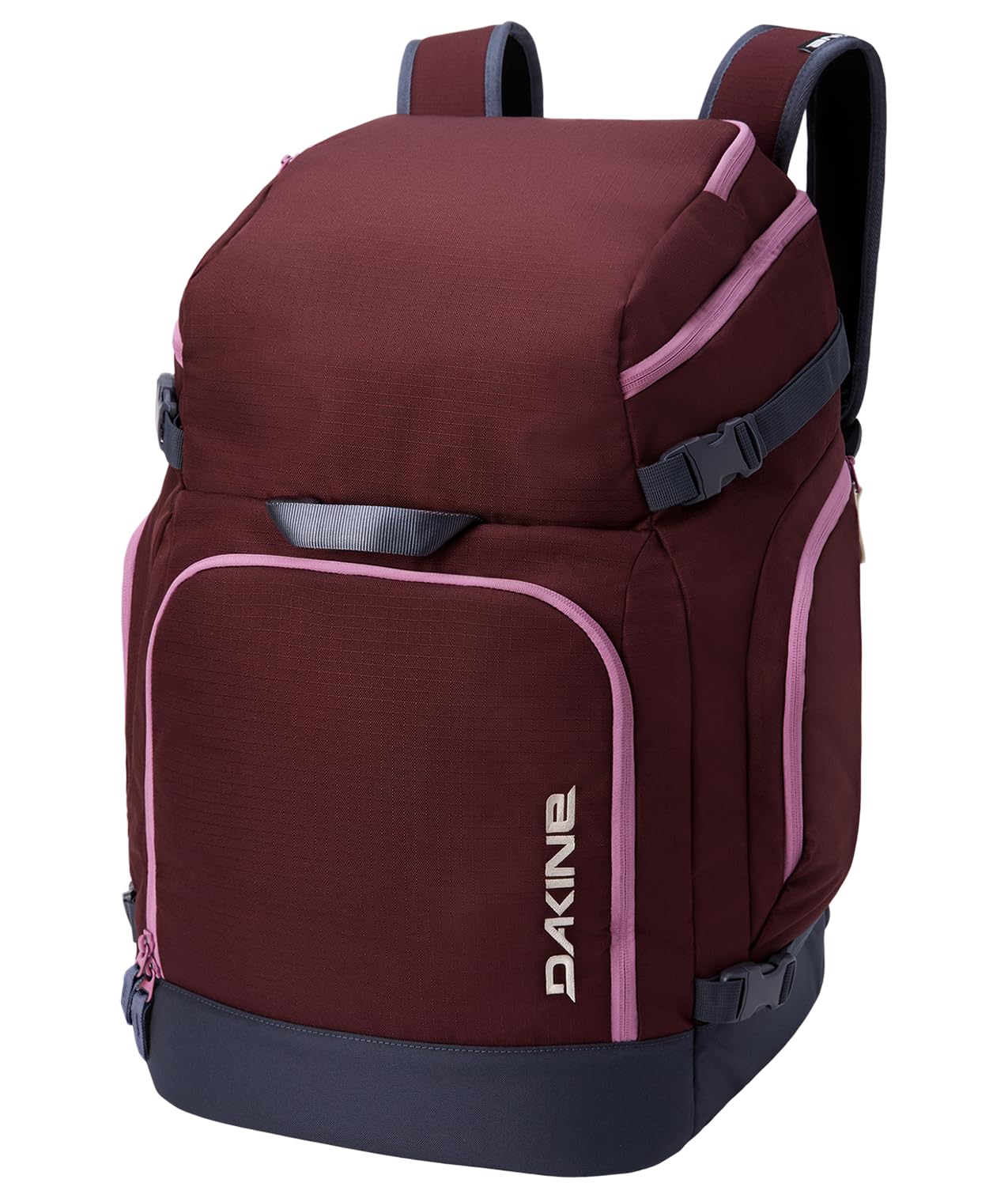
Budget-conscious skiers will find excellent value in the Dakine Boot Pack DLX at $49, which offers solid protection without premium features. Frequent flyers should consider the EVOC Boot Helmet Bag for its TSA-friendly design and airline durability. Boot collectors and rental users benefit from the Sportube Boot Tube’s rigid protection, while the High Sierra Ski Boot Bag provides basic functionality at an entry-level price.
Your choice ultimately depends on how often you travel with gear and your protection priorities. Weekend warriors heading to local mountains need less solid construction than international travelers checking bags. Consider your skiing frequency, travel style, and budget when deciding between basic soft bags and premium options with advanced ventilation and organization features.