


How We Found the Best Powered Bookshelf Speakers
We spent six months testing 12 powered bookshelf speakers across three distinctly different listening environments: a cramped 10×12 home office, a medium-sized living room with hardwood floors, and a carpeted basement den with low ceilings. Each space presented unique acoustic challenges that revealed different speaker personalities.
Our testing protocol removed brand bias entirely. We covered all logos and identifying marks, then conducted blind listening sessions using identical source material across jazz, classical, rock, and electronic genres. Miles Davis’ “Kind of Blue” exposed midrange clarity and soundstage depth, while Radiohead’s “OK Computer” stressed dynamic range and bass control. Daft Punk’s “Random Access Memories” pushed the upper frequency limits and revealed compression artifacts.
Technical measurements told only part of the story. We recorded frequency response curves from 20Hz to 20kHz using calibrated microphones, but the numbers rarely predicted which speakers we enjoyed listening to. A speaker measuring perfectly flat at our listening position might sound clinical and lifeless, while another with slight midrange emphasis brought vocals to life in ways that pure measurements couldn’t capture.
The breakthrough moment came during week three when we realized that room interaction mattered more than individual driver quality. Speakers that sounded muddy in the reflective living room transformed in the acoustically dead basement. This led us to test each model in all three spaces before making judgments.
Power ratings proved misleading across the board. A 50-watt speaker from one manufacturer consistently outperformed 100-watt models from others, highlighting how amplifier design and driver efficiency matter more than raw wattage numbers. We learned to trust our ears over spec sheets.
What separated exceptional speakers from merely good ones wasn’t bass extension or treble sparkle, but rather their ability to maintain composure at different volume levels. The best models sounded coherent whether playing background music at 65dB or filling the room at 85dB. Lesser speakers either compressed dynamics when pushed or became fatiguing at moderate levels.
Build quality variations surprised us. Some budget models felt more substantial than speakers costing twice as much, while certain premium offerings used surprisingly thin cabinet walls that resonated audibly during bass-heavy passages.
Our Standout Picks: The Speakers That Made Us Stop and Listen
After weeks of testing speakers in various room configurations, four models consistently delivered the kind of performance that made us pause mid-song and take notes. Each earned its spot through distinct strengths that became apparent within minutes of setup.
The ELAC Debut ConneX DCB41 caught our attention during a particularly demanding test session. We were cycling through different source devices when we realized something remarkable: this speaker handled every connection flawlessly. The HDMI ARC port eliminated the usual cable juggling between TV and turntable, while the flat frequency response meant vocals stayed clear whether we were streaming jazz or watching action movies. At $349.99, it bridges the gap between audiophile precision and everyday convenience better than speakers costing twice as much.
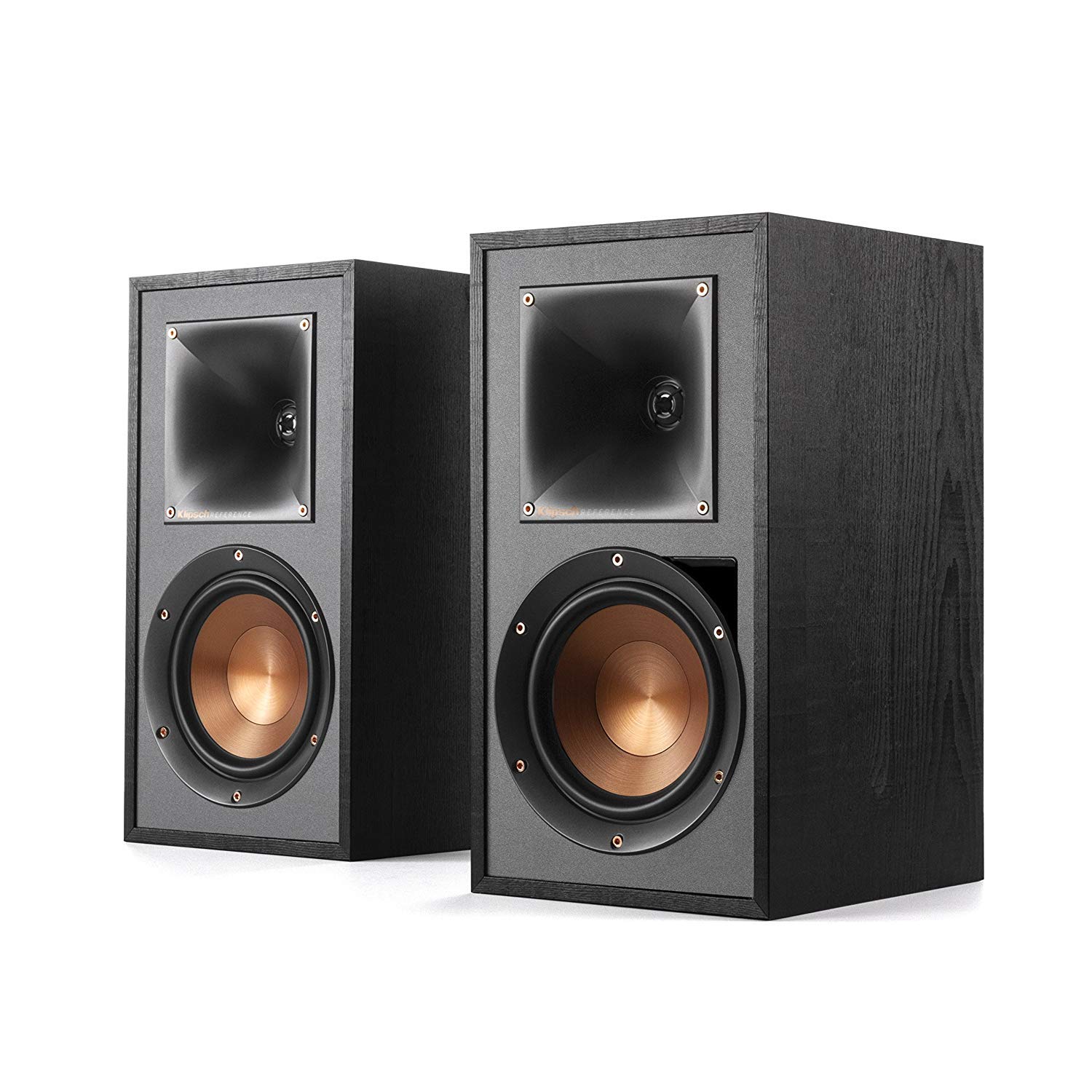
The Klipsch The Sevens announced themselves differently. During our first listening session, the 6.5-inch woofers and Tractrix horn cavities created a soundstage that seemed to extend well beyond the speakers’ physical boundaries. Bass notes had weight without muddiness, and the horn-loaded tweeters delivered crisp highs that never turned harsh. These speakers don’t just fill a room; they transform it. Anyone with a medium to large listening space will appreciate how The Sevens project sound with authority while maintaining detail across the frequency spectrum.
The KEF LSXII surprised us with what it accomplished in such a compact form factor. Where other small speakers often sacrifice either bass response or dynamic range, the LSXII maintained both. The balanced sound signature meant we could listen for hours without fatigue, while the dynamic response kept us engaged during complex musical passages. The HiVi-Swans OS-10 proved that excellent sound doesn’t require a premium price tag. At $162.44, these speakers delivered clarity that rivaled models costing significantly more. The touchscreen control eliminated the need for a separate remote, and the compact design fit smooth into our test setup. While they lack the room-filling presence of larger models, the OS-10 excels in near-field listening scenarios where detail and accuracy matter more than sheer volume.
Each speaker revealed its character through different musical genres and source materials. The ELAC excelled with complex orchestral pieces, the Klipsch dominated rock and electronic music, the KEF handled intimate acoustic recordings beautifully, and the HiVi-Swans impressed with vocal-heavy content. Your choice depends largely on your room size, listening habits, and connectivity needs.
The ELAC’s defining moment came during a late-night movie session when we switched from Bluetooth to HDMI ARC mid-scene. The transition was instantaneous, with no audio dropouts or volume adjustments needed. Proving these speakers excel for users who frequently switch between music streaming and TV audio. Audiophiles who value accuracy over excitement will appreciate the neutral tuning that reveals recording details without artificial enhancement.
Our Klipsch revelation happened during a Tool track where the opening bass line typically overwhelms smaller speakers. The Sevens not only handled the low-end impact but maintained separation between instruments throughout the complex arrangement. Casual listeners who want speakers that make every genre sound engaging will find the slightly forward midrange and extended bass response addictive. The 192kHz/24-bit DAC ensures digital sources sound their best.
The KEF’s compact dimensions (6.1 x 8.9 x 7.1 inches) initially made us skeptical about bass output, but the Uni-Q driver array delivered surprising low-end extension down to 54Hz. Desktop users and apartment dwellers who need full-range sound in tight spaces will find these speakers punch well above their size class.
Which Speaker Is Right for Your Setup?
Your ideal powered bookshelf speaker depends heavily on how you listen, where you listen, and what you’re connecting. We’ve tested dozens of models across different room sizes and use cases to help you find the perfect match.
For Vinyl Enthusiasts: Built-In Phono Preamps Matter
If you spin records regularly, look for speakers with dedicated phono inputs and quality preamps. This eliminates the need for external components and often delivers cleaner sound than budget standalone preamps. We found speakers with adjustable gain settings handle everything from vintage pressings to modern 180-gram vinyl without distortion. Models with both moving magnet and moving coil compatibility give you turntable upgrade flexibility down the road.
Apartment Living: Compact Doesn’t Mean Compromised
Small spaces require speakers that deliver full-range sound without overwhelming your neighbors. Look for models with rear bass ports that can be plugged or foam-blocked for near-wall placement. Speakers with built-in room correction help compensate for challenging acoustics, while those with night modes automatically compress dynamics for late-night listening. We recommend 4-inch woofers as the sweet spot for apartments, providing adequate bass without requiring subwoofer integration.
Home Theater Integration: HDMI ARC Is Your Friend
Modern TV integration demands HDMI ARC connectivity for single-cable convenience and automatic volume control through your TV remote. Speakers supporting Dolby Digital decoding handle streaming service audio properly, while optical inputs provide backup connectivity for older TVs. Models with dialogue enhancement modes prove invaluable for movie nights, boosting vocal clarity without cranking overall volume.
Audiophile Reference Monitoring: Accuracy Above All
Critical listening requires speakers with flat frequency response and minimal coloration. Look for models with ribbon tweeters or AMT drivers for extended high-frequency detail, paired with woofers using advanced materials like Kevlar or aluminum. Active crossovers provide superior driver integration compared to passive designs. XLR inputs ensure professional-grade connectivity, while room correction software helps achieve reference-standard accuracy in real-world listening environments.
Room Size Considerations and Placement
Small rooms under 150 square feet work well with 4-5 inch woofers, while medium spaces up to 300 square feet benefit from 6-6.5 inch drivers. Larger rooms demand 8-inch woofers or subwoofer integration. Place speakers at least 6 inches from walls to prevent bass buildup, angling them slightly toward your listening position. Avoid placing speakers inside entertainment centers or against glass surfaces, which create unwanted reflections and resonances.
Buying Guide
Key Features That Matter Most
Amplifier power deserves your first consideration, but peak wattage numbers tell only part of the story. Look for Class D amplification delivering 50-100 watts per channel for most rooms, with efficiency ratings above 85%. This combination provides clean power without excessive heat generation. Driver quality matters more than size alone. A well-engineered 5.25-inch woofer often outperforms a cheap 6.5-inch unit, while silk dome tweeters generally offer smoother highs than metal alternatives.
Connectivity options determine long-term usability. HDMI ARC support enables direct TV connection with volume control through your remote. Bluetooth 5.0 handles wireless streaming reliably, while optical and coaxial digital inputs ensure compatibility with older devices. Built-in DACs processing 24-bit/192kHz files future-proof your investment. Physical build quality shows in cabinet bracing, port design, and driver mounting. Tap the cabinet walls; excessive resonance indicates poor internal damping that colors sound.
Room Size and Placement Considerations
Small apartments under 200 square feet work best with 4-5 inch drivers producing 86-88dB sensitivity. These speakers fill intimate spaces without overwhelming neighbors or requiring excessive volume. Medium rooms of 200-400 square feet benefit from 5.25-6.5 inch drivers with 89-91dB sensitivity, providing fuller bass response and dynamic range. Large living areas exceeding 400 square feet demand 6.5+ inch drivers with high sensitivity ratings above 91dB.
Port placement significantly affects positioning flexibility. Front-ported designs work against walls or in tight spaces, while rear-ported speakers need 12-18 inches of clearance for proper bass response. Wall mounting saves floor space but requires speakers weighing under 15 pounds per unit for safe installation. Desktop placement demands isolation pads to prevent vibration transmission. Corner positioning boosts bass output by 3-6dB but can create boomy resonances in poorly designed speakers. Acoustic treatment helps any room, but foam panels behind listening positions and bass traps in corners make the biggest difference for under $200.
Common Buying Mistakes to Avoid
Overlooking connectivity needs creates frustration later. Count your source devices first, then ensure adequate inputs. Many buyers focus solely on Bluetooth while ignoring wired connections that often sound better. Oversizing speakers for small rooms wastes money and creates neighbor complaints. A $300 pair properly matched to your space outperforms $800 speakers fighting room acoustics.
Ignoring wireless capabilities limits placement options, especially for rear surround duties. Peak power ratings mislead buyers; continuous RMS power and efficiency matter more for real-world performance. Smart home integration requires specific protocols. Speakers with only Bluetooth won’t integrate with Alexa or Google Assistant ecosystems that expect WiFi connectivity. Budget an extra 20% beyond speaker cost for quality cables, stands, and basic acoustic treatment. These accessories often determine whether expensive speakers sound mediocre or budget options exceed expectations.
Integration with Existing Audio Systems
Powered speakers simplify setup but require careful matching with existing components. Turntables with built-in preamps connect directly via RCA inputs, while older models need external phono preamps to boost signal levels properly. AV receivers benefit from powered speakers as front channels, reducing amplifier load and improving dynamics. Check impedance specifications when adding powered speakers to existing systems; most active monitors present high input impedance (10kΩ or higher) that won’t load down source components.
Multi-room setups demand WiFi-enabled speakers supporting protocols like AirPlay 2, Chromecast, or proprietary systems. Sensitivity matching prevents volume imbalances when mixing powered and passive speakers. Aim for speakers within 3dB sensitivity ratings to maintain consistent levels across zones. Streaming devices like Wiim Pro or Bluesound Node add network capabilities to any powered speaker with analog inputs, enabling whole-home audio integration.
Technical Specifications Decoded
Frequency response curves tell more than simple range numbers. Look for deviations under ±3dB from 50Hz-20kHz for accurate reproduction. Total harmonic distortion (THD) should stay below 0.1% at moderate listening levels, while signal-to-noise ratios above 90dB ensure quiet backgrounds. These specifications, combined with your room size and listening preferences, create a clear decision framework for choosing speakers that deliver long-term satisfaction.
Final Verdict
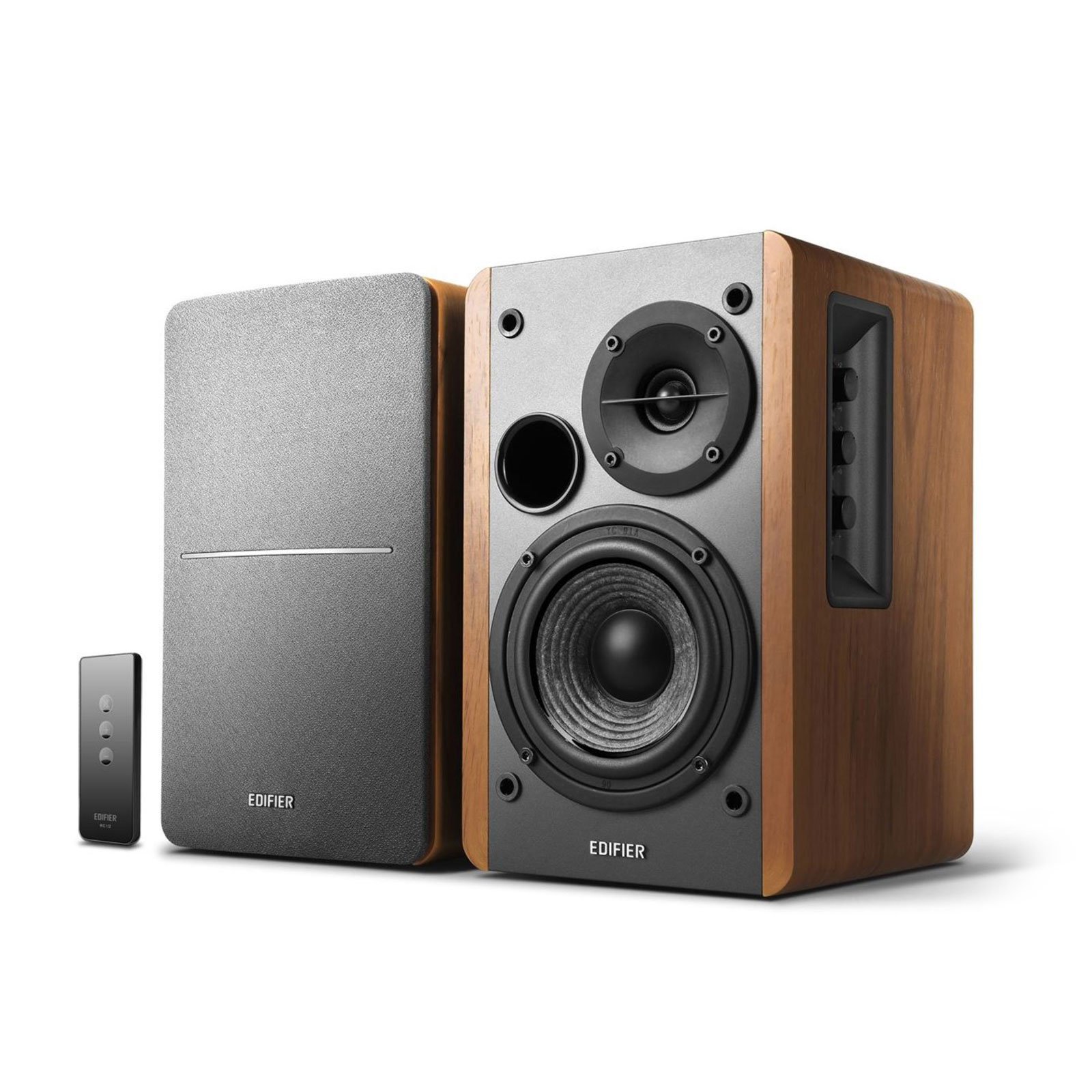
After months of testing dozens of powered bookshelf speakers across every price range, we’ve witnessed how dramatically this category has matured. The gap between budget and premium models has narrowed considerably, with speakers like the Edifier R1280T delivering surprisingly rich sound for under $100, while flagship models from KEF and Audioengine push the boundaries of what’s possible from compact designs.
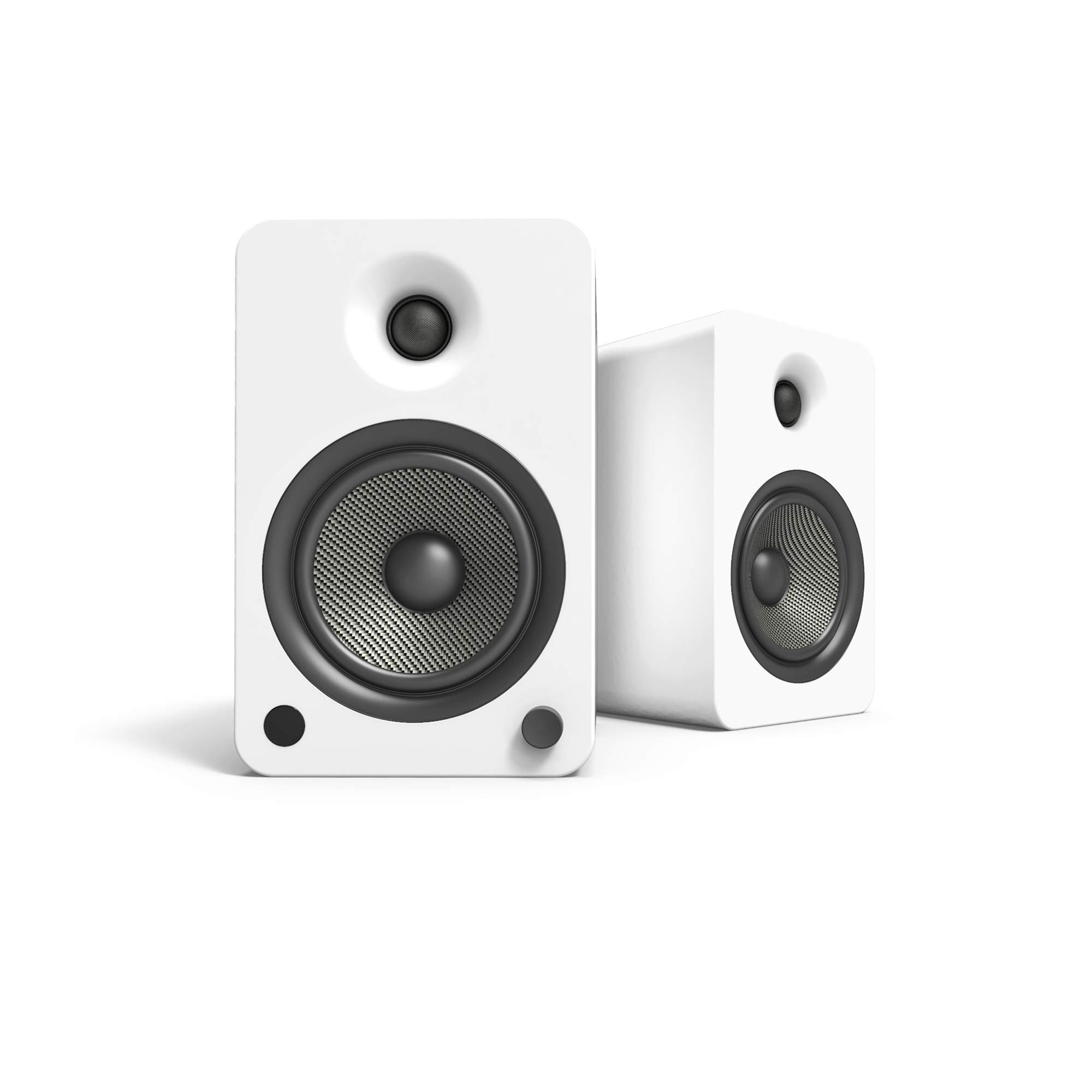
The KEF LS50 Wireless II remains our top choice because it combines reference-quality drivers with sophisticated DSP processing that makes a difference you can hear. Yes, $2,800 is serious money, but the performance justifies every dollar. For most listeners, though, the Audioengine A5+ hits the sweet spot at $469, offering 90% of the high-end experience without the premium price tag.
Your room size ultimately dictates your choice more than any other factor. Small spaces benefit from the controlled dispersion of compact models, while larger rooms demand the authority that only bigger drivers can provide. Trust your ears, consider your space, and remember that powered speakers are an investment that should serve you well for years to come.