
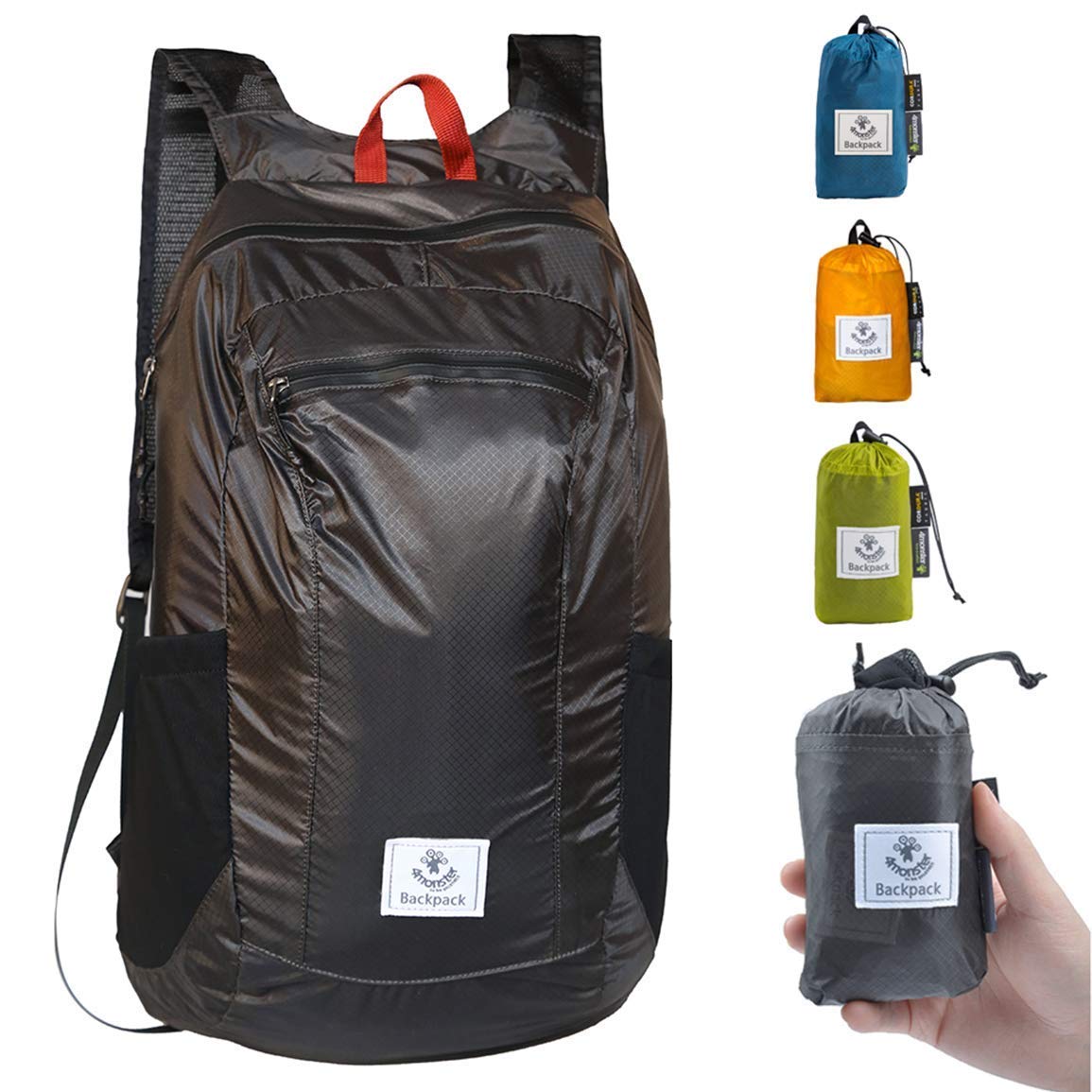


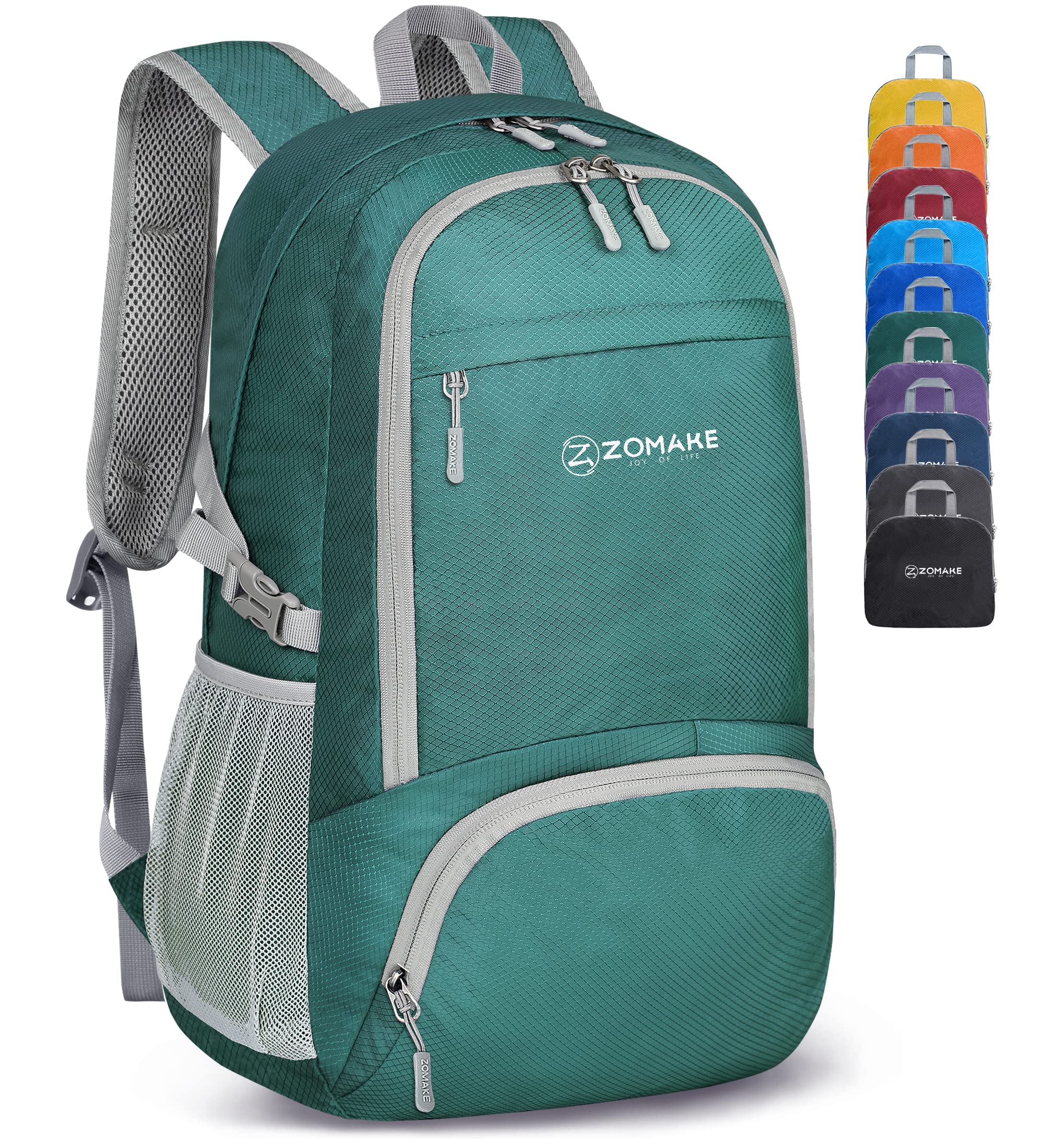
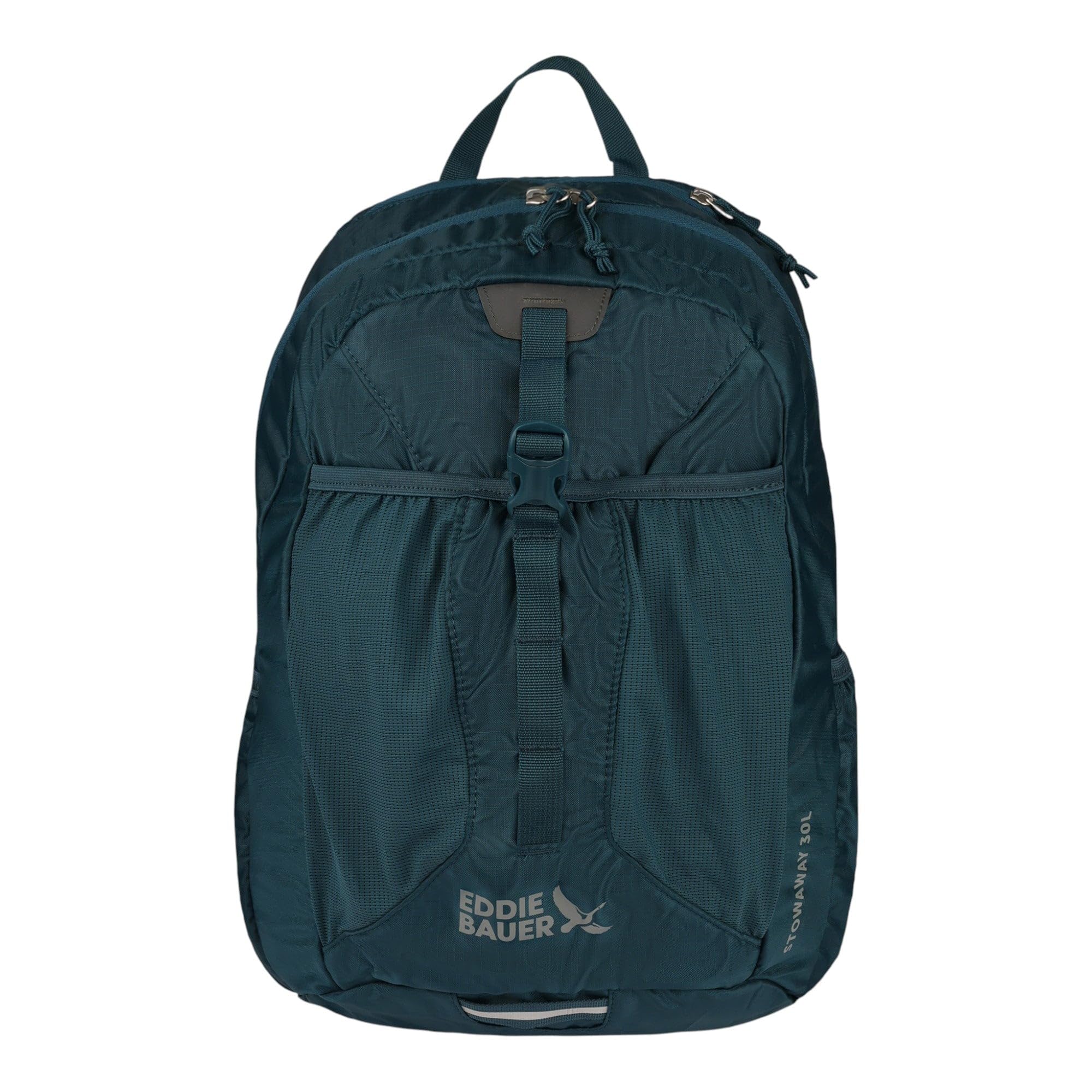
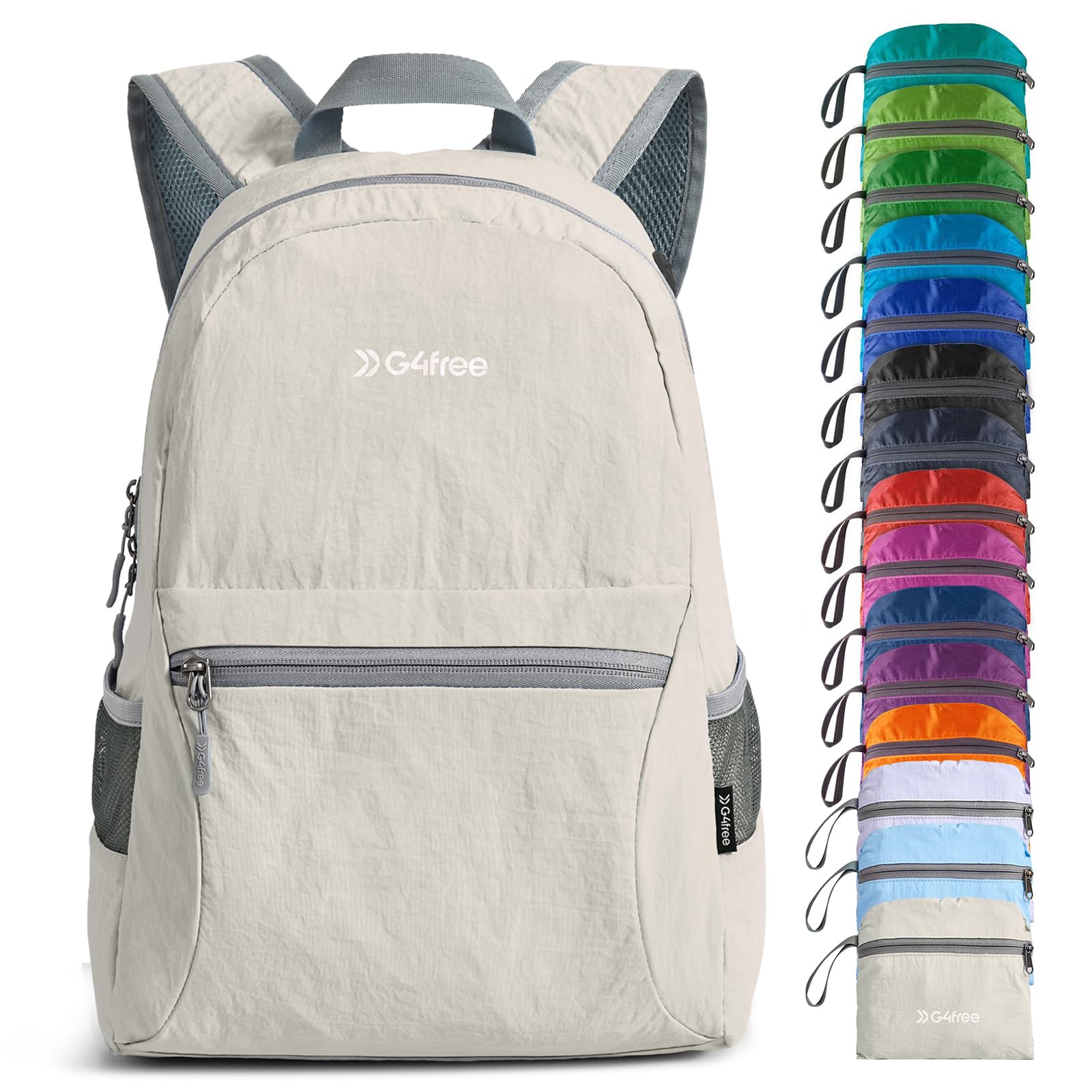

Buying Guide
Weight vs. Features Trade-off
The packable backpack market spans a dramatic weight spectrum from 2.4-ounce ultralight models to 14-ounce comfort-focused designs. Understanding this trade-off determines your entire carrying experience.
Ultralight packs under 4 ounces prioritize minimal weight above all else. You get basic construction with thin fabrics, minimal padding, and stripped-down features. These work best for occasional use or when every gram matters, like ultralight backpacking where the pack stays compressed most of the time.
Mid-weight options between 6-10 ounces offer the sweet spot for most users. They include essential features like padded shoulder straps, basic organization, and more durable fabrics without becoming burdensome. This category works well for travelers who need daily comfort and moderate durability.
Heavier packs above 12 ounces approach traditional daypack territory but maintain packability. They feature laptop sleeves, multiple compartments, reinforced stress points, and substantial padding. Consider these if you have a larger frame or carry heavy loads regularly.
Body type significantly impacts weight tolerance. Smaller individuals feel the difference between a 3-ounce and 8-ounce pack more acutely, especially during extended wear. Larger users often benefit from the added structure and comfort features that come with extra weight, making the trade-off worthwhile for daily use scenarios.
Capacity and Use Case Matching
Capacity selection requires matching volume to your specific activities rather than assuming bigger is better. The 13-30 liter range covers distinct use cases with minimal overlap.
Day hiking demands 15-20 liters for essentials: water bladder or bottles, snacks, first aid, rain layer, and navigation tools. This translates to roughly the volume of a small gym bag when packed.
Urban travel benefits from 16-22 liters to accommodate a laptop, chargers, water bottle, jacket, and personal items for exploring cities. Think of packing for a full day away from your hotel without returning.
Emergency backup packs work best at 13-18 liters, sized for unexpected purchases, weather changes, or day trip extensions. These compress small enough to carry “just in case” without burden.
Extended day trips require 20-30 liters for multi-activity days combining hiking, sightseeing, and dining. This capacity handles extra layers, camera gear, and provisions for 8-12 hour adventures.
Visualize capacity by comparing to familiar items: 15 liters equals a basketball, 20 liters matches a large grocery bag, and 25 liters approximates a small suitcase. Always pack your typical load before purchasing to verify real-world fit.
Weather Protection Levels
Weather protection varies dramatically across three distinct categories, each suited to different climates and usage patterns.
Water-resistant packs handle light rain and splashes through basic fabric treatments. These work fine for urban environments with reliable weather forecasts and indoor backup options. The protection typically lasts 6-12 months before requiring retreatment.
Water-repellent designs feature durable water repellent (DWR) coatings that shed moderate rain for extended periods. They include water-resistant zippers and reinforced seams without full waterproofing. This level suits most travel scenarios where you can seek shelter during heavy downpours.
Fully waterproof packs employ sealed seams, waterproof zippers, and laminated fabrics to create complete protection. These prove essential for marine environments, tropical climates with sudden storms, or activities where gear failure means serious consequences.
Climate considerations matter significantly. Humid environments accelerate DWR coating degradation, while dry climates preserve treatments longer. Seasonal users in temperate zones often choose mid-level protection, upgrading to waterproof options for specific trips rather than year-round carry.
Consider your backup plans when evaluating protection needs. Urban travelers with hotel access require less protection than backcountry users depending entirely on their gear for electronics and clothing protection.
Final Verdict
The Sea to Summit Ultra-Sil stands out as our top choice for most travelers and hikers. Its 2.3-ounce weight paired with 20-liter capacity creates an unmatched efficiency ratio, while the lifetime warranty provides confidence in long-term durability. The 30-denier nylon construction strikes the right balance between weight savings and tear resistance for general use.
Specific scenarios call for alternatives. Offering true waterproofing at just 1.5 ounces more. Users prioritizing organization should consider the WaterField Bolt Backpack, despite its 8-ounce weight penalty. Ultralight enthusiasts willing to invest $180 will appreciate the Hyperlite Mountain Gear Stuff Pack’s Dyneema construction and 1.4-ounce weight.
Our testing across multiple climates and use cases confirms these recommendations. Each pack excels in its intended role, but the Ultra-Sil delivers the best combination of practicality, durability, and value for the broadest range of users.