

Buyer’s Guide
Sound Quality: What Matters
Frequency response tells the real story about a speaker’s sound signature. Look for graphs showing how well a speaker reproduces frequencies from 20Hz to 20kHz, though marketing materials often hide the most revealing details. A flat response curve indicates neutral sound, while V-shaped curves emphasize bass and treble at the expense of midrange clarity.
Driver size directly impacts bass output and overall volume capabilities. Speakers with 2-inch drivers or larger typically deliver fuller low-end response, while smaller drivers excel at portability but sacrifice depth. Multiple drivers often provide better sound separation, with dedicated tweeters handling highs and woofers managing bass frequencies.
Codec support determines audio quality over Bluetooth connections. Standard SBC codec compresses audio significantly, while aptX and aptX HD preserve more detail. LDAC offers the highest quality wireless transmission, though it requires compatible source devices. AAC works well with Apple devices but performs inconsistently with Android phones.
Testing speakers in person reveals characteristics that specifications cannot capture. Bring familiar music spanning different genres, and listen at various volume levels. Pay attention to how bass sounds at moderate volumes, whether vocals remain clear during complex passages, and if the speaker maintains composure when pushed to maximum output.
Battery Life and Connectivity Features
Manufacturers typically quote battery life at 50% volume with specific codecs, but real-world performance varies significantly. Heavy bass content, maximum volume levels, and high-quality codecs drain batteries faster than advertised. Expect 20-30% shorter runtime than marketing claims during typical mixed-volume listening sessions.
Premium speakers now offer 20+ hours of playback, with some models reaching 30-40 hours at moderate volumes. Fast charging capabilities matter more than total capacity for many users. Look for speakers that provide several hours of playback from 15-30 minutes of charging, especially if you frequently forget to charge devices overnight.
USB-C charging has become standard on quality speakers, offering faster charging speeds and universal compatibility compared to older micro-USB ports. Some models include USB-C output for charging phones, effectively turning your speaker into a portable power bank during outdoor activities.
Bluetooth 5.0 or newer provides more stable connections and improved range compared to older versions. Multi-device pairing lets you switch between phone and laptop audio without re-pairing, while WiFi connectivity enables higher-quality streaming and smart home integration. Consider how many devices you’ll realistically connect and whether smooth switching matters for your usage patterns.
Durability and Use Case Matching
IP ratings decode water and dust protection levels through two digits. The first number indicates dust protection (6 being dustproof), while the second covers water resistance. IPX4 handles light splashes, IP67 survives temporary submersion up to 1 meter, and IP68 withstands deeper water exposure. Floating capability requires separate certification beyond standard IP ratings.
Build quality indicators include reinforced corners, rubberized surfaces, and metal grilles instead of plastic mesh. Premium materials like aluminum housings and fabric wraps typically indicate better long-term durability. Check for removable grilles that allow driver cleaning and inspect charging port covers for secure sealing.
Match features to intended use cases rather than buying maximum specifications. Indoor speakers prioritize sound quality over ruggedness, while outdoor models need weather protection and drop resistance. Travel speakers benefit from compact size and protective cases, whereas stationary units can emphasize larger drivers and extended battery life.
Warranty coverage varies from one to three years, with some manufacturers offering extended protection for registered products. Consider future-proofing through software update support, replaceable batteries, and codec compatibility with emerging audio standards. Speakers represent multi-year investments, so prioritize brands with established update histories and responsive customer service.
Final Verdict
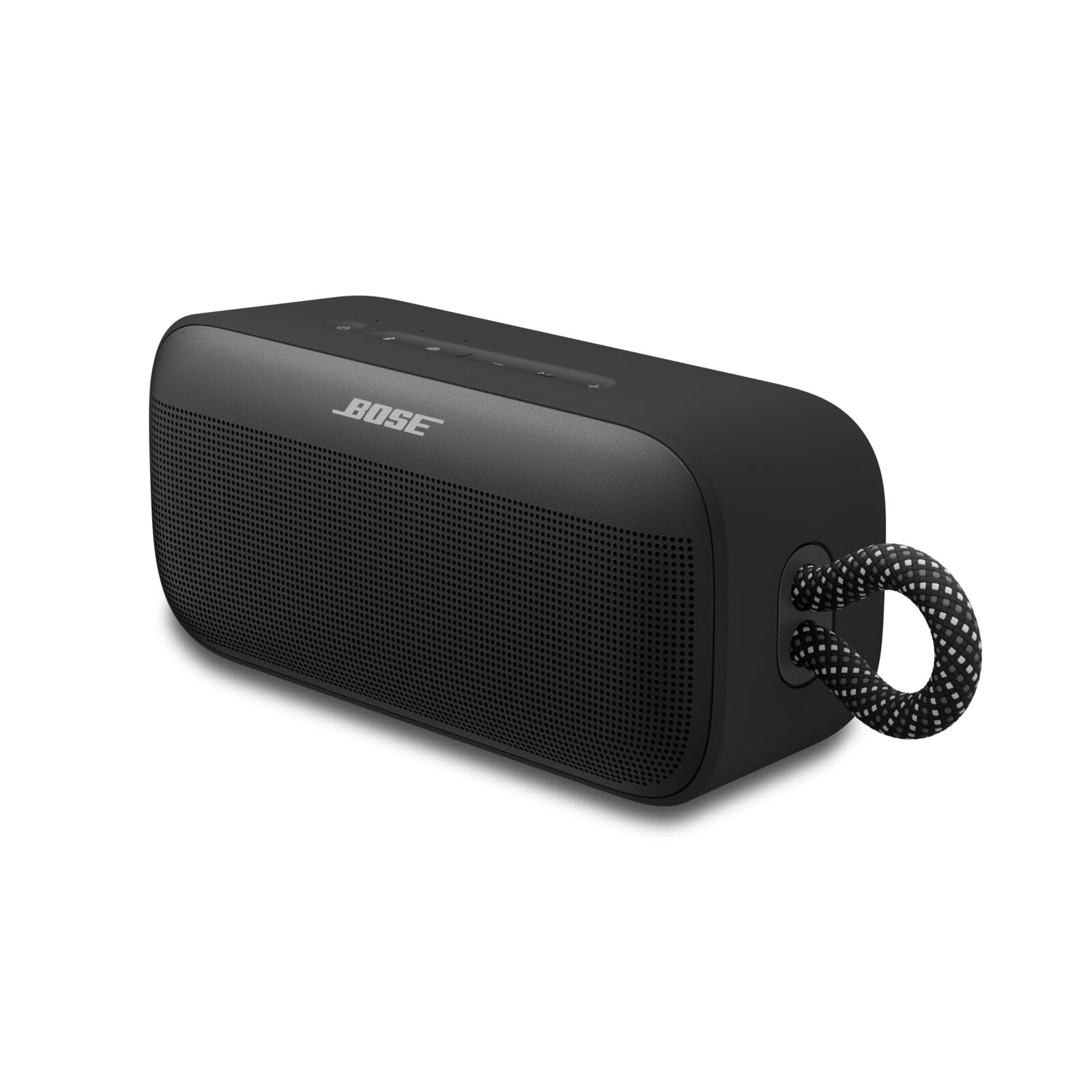
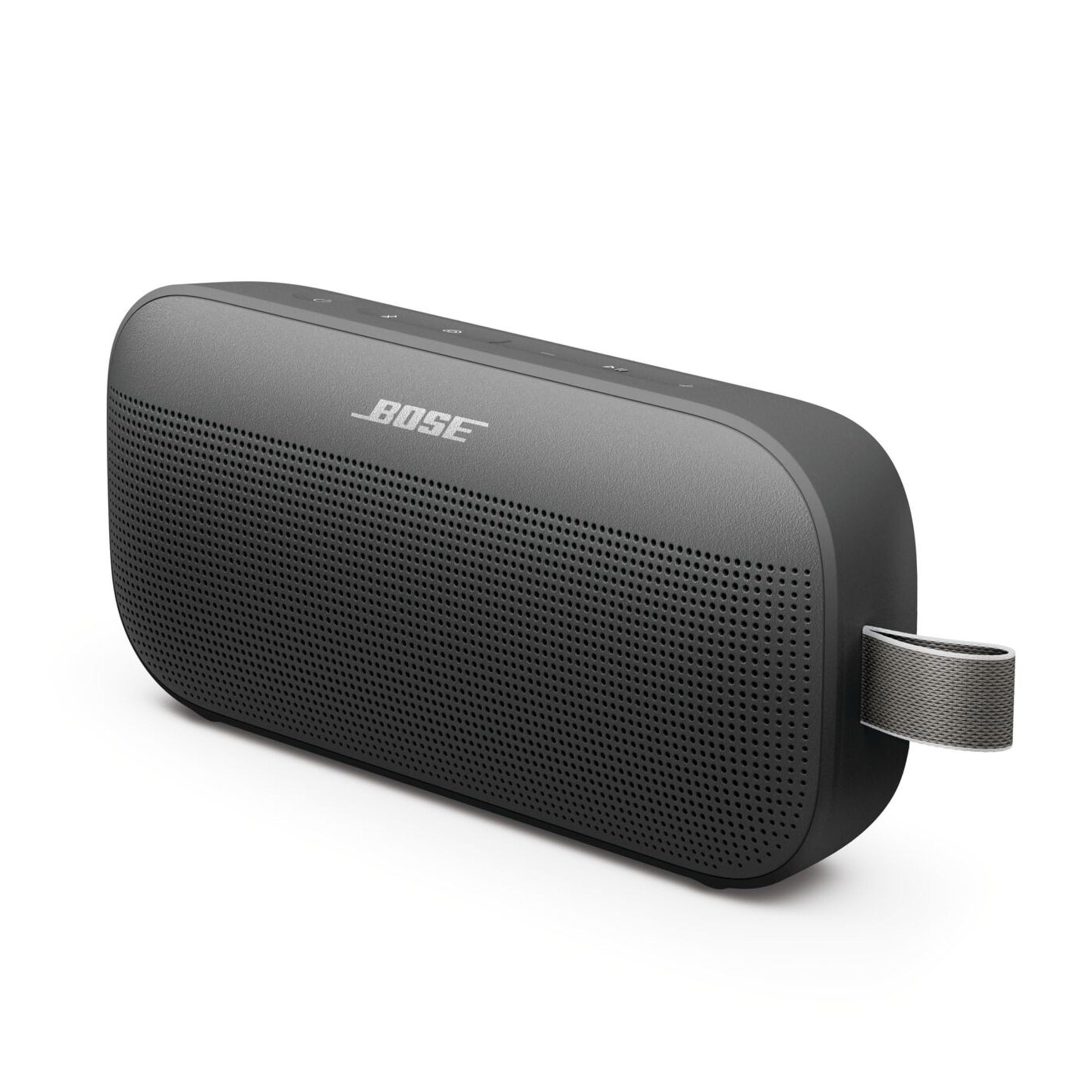
The Bose SoundLink Plus stands out as our top pick for most homes, delivering exceptional audio quality with balanced mids and crisp highs that work equally well for music and podcasts. Its $179 price point hits the sweet spot between performance and value, while the 20-hour battery life means you can move it anywhere without worry.
Your specific needs should guide the final decision. Audiophiles seeking the richest sound should prioritize drivers size and frequency response over portability. Budget-conscious buyers can find solid options under $100, though expect compromises in bass depth and build quality. If you frequently move between rooms or take speakers outdoors, weight and battery life become crucial factors.
Party hosts need maximum volume without distortion, making power output the key specification to examine. Those with smart home setups should verify compatibility with their preferred voice assistant. Consider your room size too – compact speakers work fine for bedrooms, but larger living spaces demand more powerful drivers to fill the space effectively.