



How to Choose Headphones for Maximum Value
Determining Your Value Sweet Spot
Finding your headphone value sweet spot starts with honest self-assessment. Track your listening habits for a week: How many hours daily? Mostly at home or commuting? Music, calls, or both? This data drives smart budget allocation.
We recommend the 80/20 rule for headphone budgets. Spend 80% on core functionality that matches your primary use case, 20% on convenience features. If you’re a daily commuter, prioritize noise cancellation over audiophile-grade drivers. Work-from-home professionals should invest in microphone quality and comfort over bass response.
Budget ranges break down predictably across performance tiers. Under $100 gets you solid basics with notable compromises in build quality or advanced features. The $100-250 range delivers the strongest value proposition-premium features without luxury pricing. Above $250, you’re paying for diminishing returns unless you have specific professional needs.
Consider your replacement cycle when setting budgets. Buying $150 headphones every three years costs less than $75 pairs annually. Quality models from established brands typically last 4-6 years with normal use, while budget options average 18-24 months before drivers fail or hinges break.
Create a feature priority matrix before shopping. List must-haves (comfort for long sessions), nice-to-haves (quick charge), and unnecessary luxuries (premium materials). This prevents feature creep that inflates costs without improving your experience. Remember: the best value headphones excel at what you need, not everything possible.
Over-Ear vs On-Ear vs In-Ear: Value Considerations
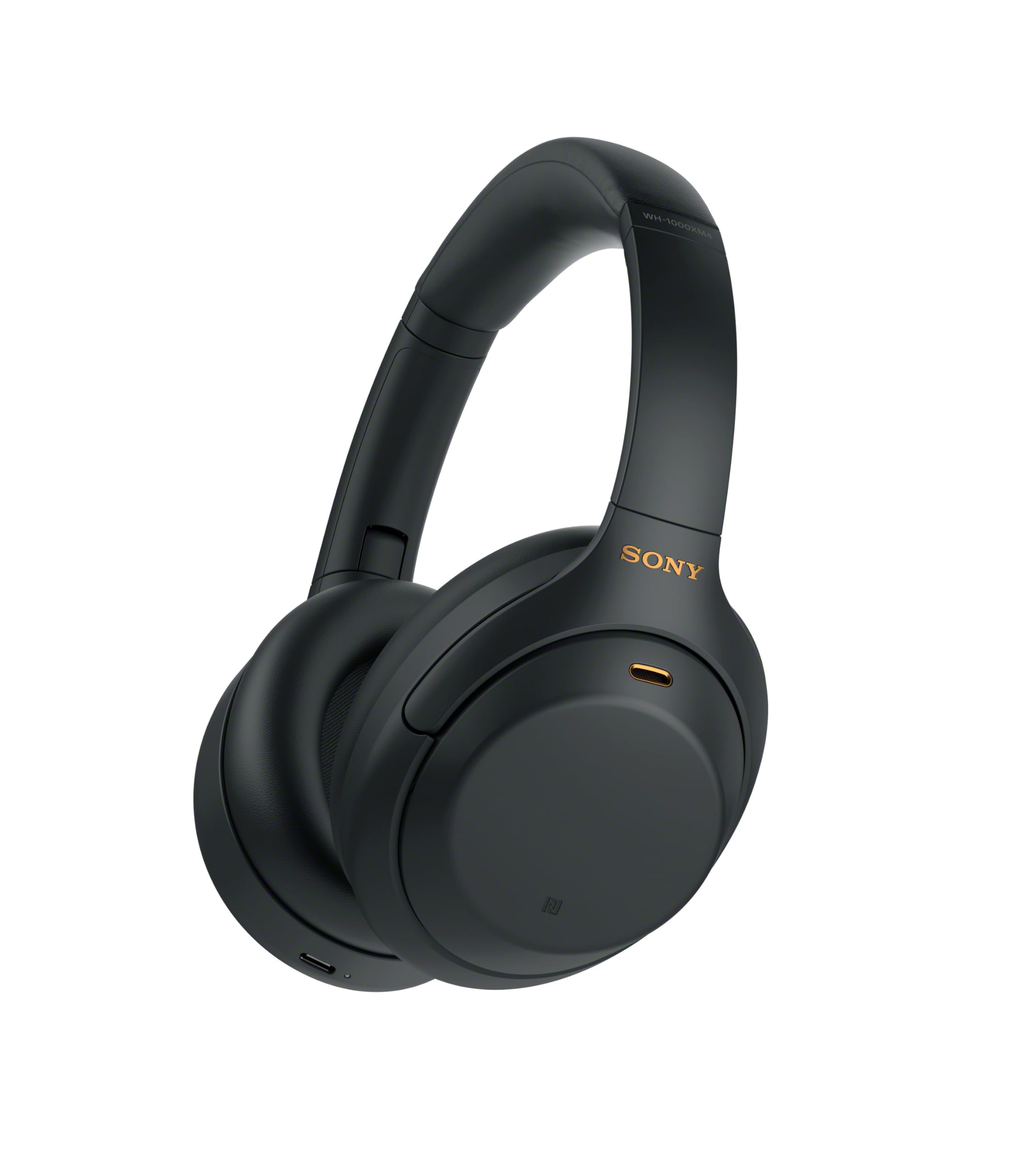
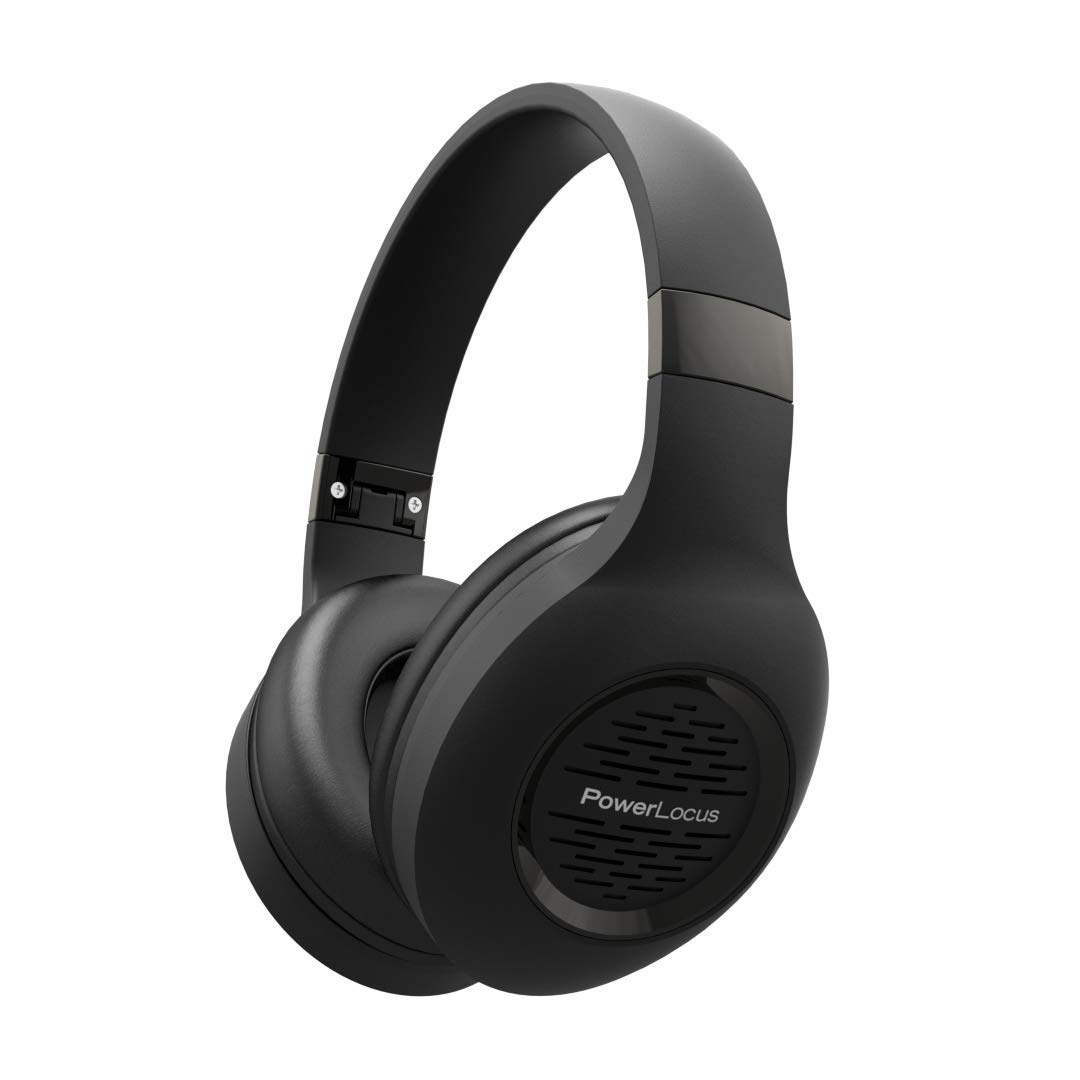
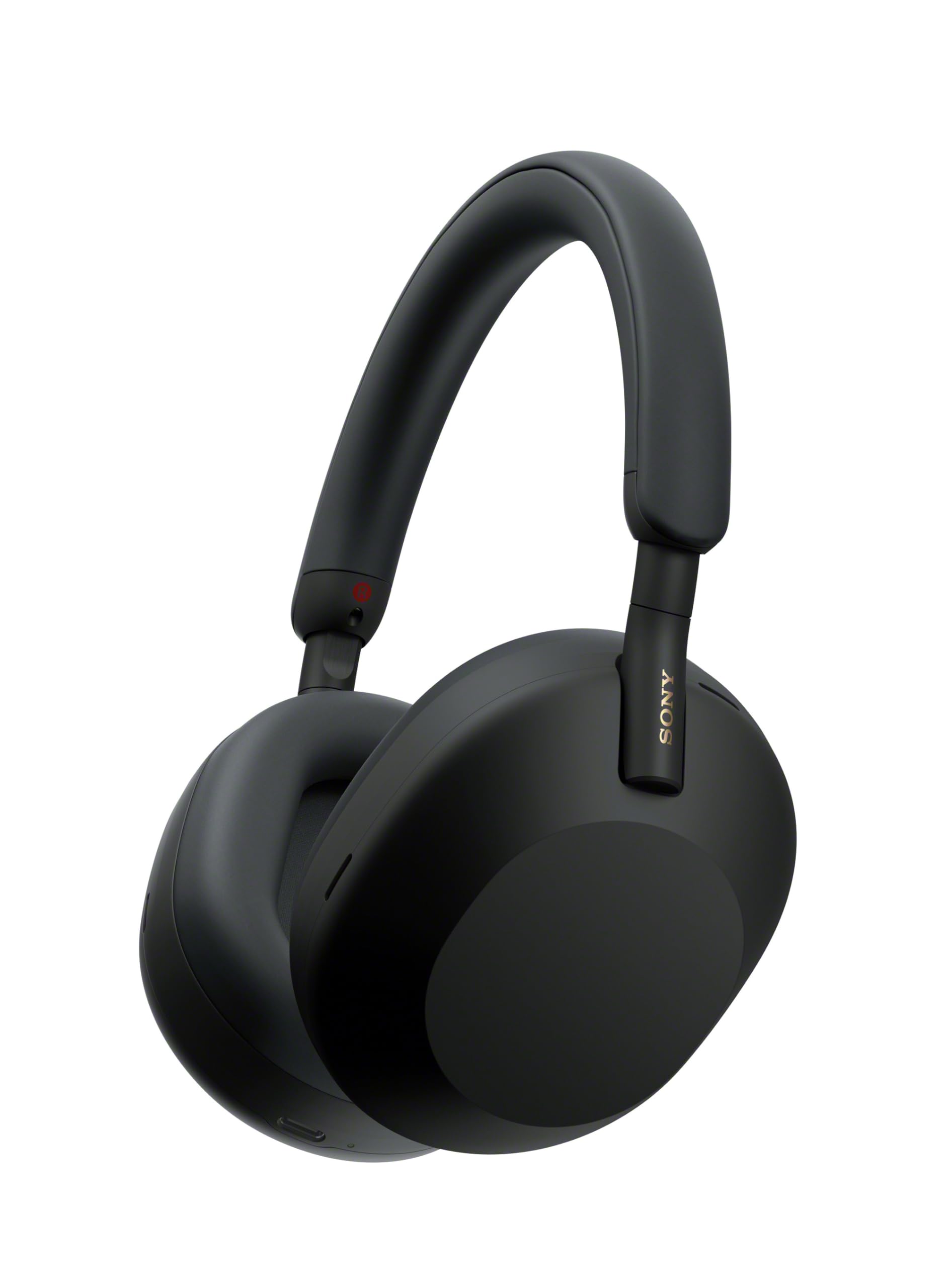
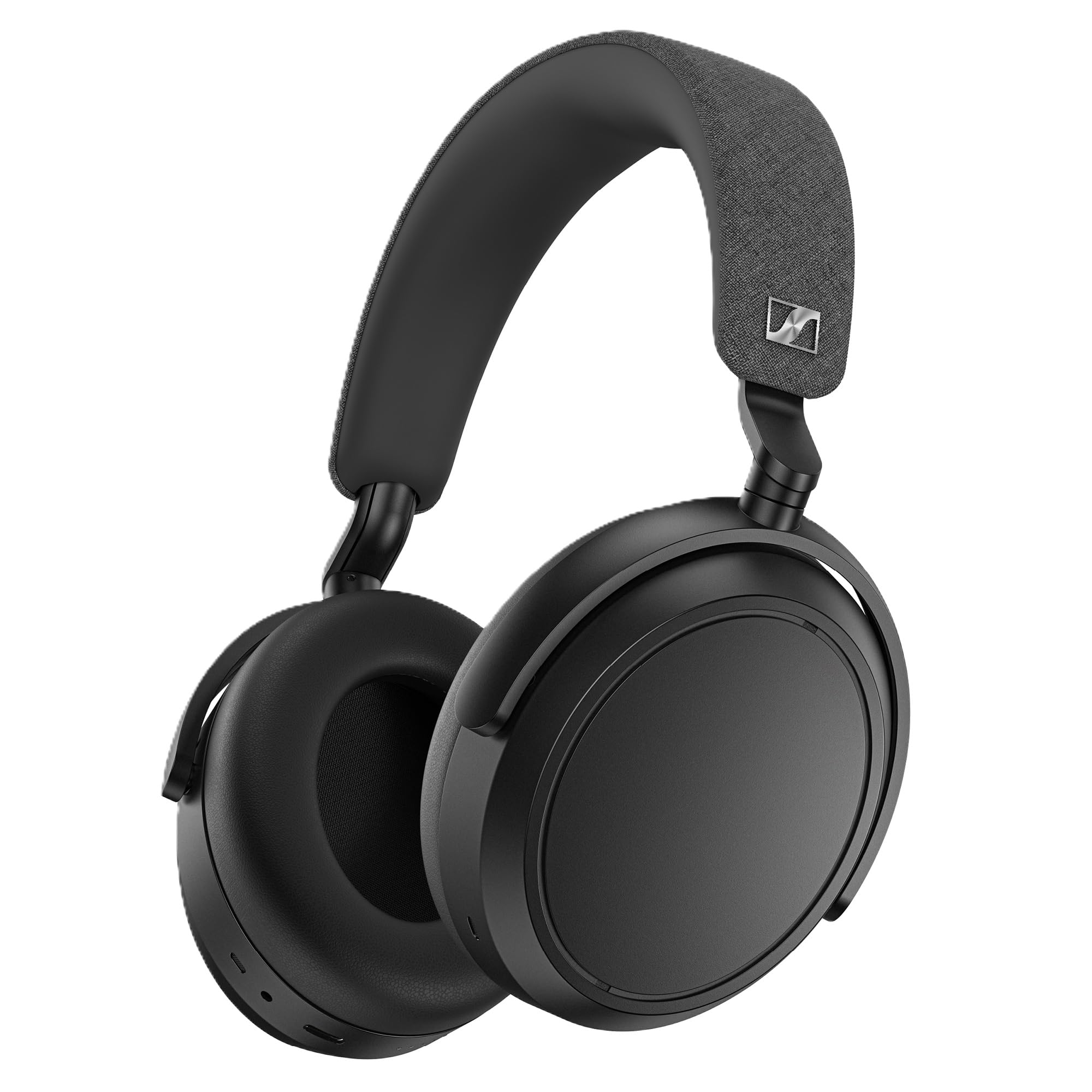
Form factor choice dramatically impacts long-term value beyond initial purchase price. Over-ear headphones typically offer the best cost-per-hour value for home use, with replaceable ear pads extending lifespan and superior comfort during extended sessions. Expect to spend $15-30 on replacement pads every 2-3 years, but quality over-ears can function for decades.
On-ear models occupy an awkward middle ground for value. They’re more portable than over-ears but less comfortable for long listening sessions. Replacement parts are often harder to source, and the constant pressure on ears limits session length. Unless portability is crucial and you can’t use in-ears, over-ears typically provide better value.
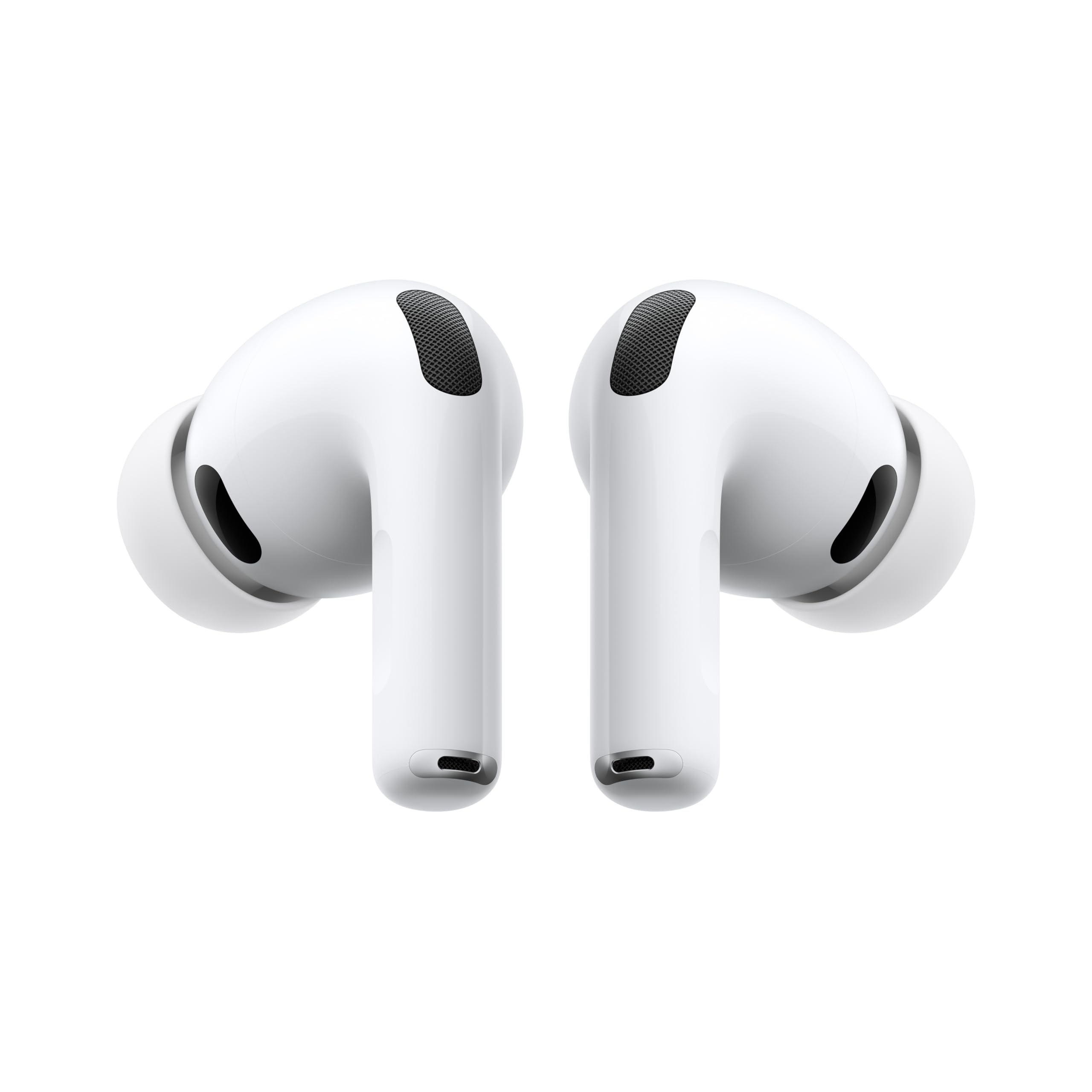
In-ear headphones present a different value equation. True wireless earbuds require battery replacement after 2-3 years, effectively making them disposable. Factor this $100-300 replacement cost into your decision. However, their versatility for exercise, commuting, and calls can justify the expense if you use them across multiple scenarios.
Durability varies significantly by form factor. Over-ear models with detachable cables offer the longest lifespan, as cable failure is the most common point of failure. In-ear models face moisture damage and lost earpieces. We’ve tracked failure rates: over-ears average 4.2 years before major issues, on-ears 2.8 years, and true wireless earbuds 2.1 years. Calculate total cost of ownership, not just initial price.
Wired vs Wireless: The True Cost Breakdown
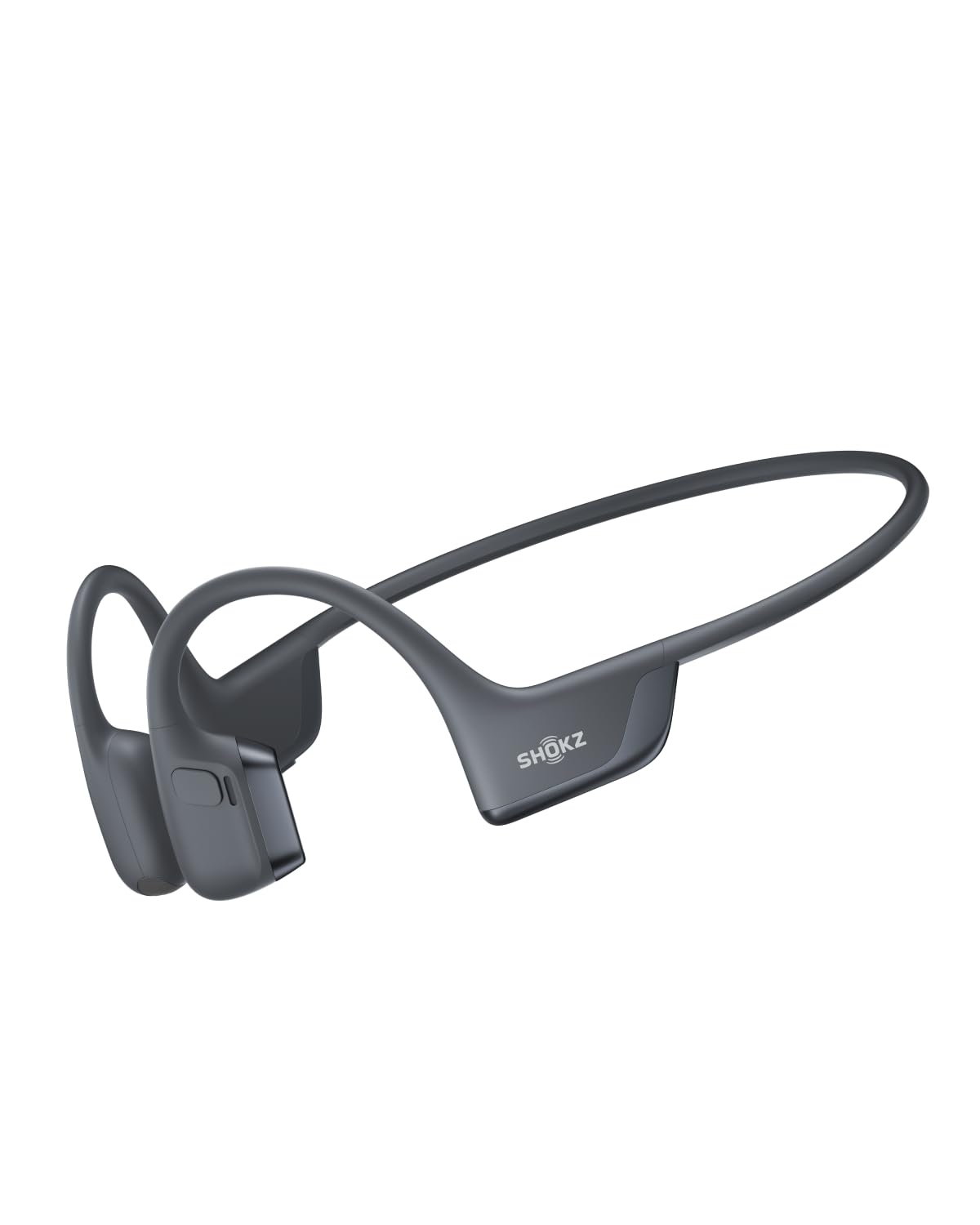
The wireless premium extends far beyond initial pricing. Quality wireless headphones cost $50-100 more than equivalent wired models, but that’s just the beginning. Battery degradation is inevitable-expect 70% capacity after 500 charge cycles, roughly 18-24 months of daily use.
Replacement costs add up quickly. Official battery replacement services charge $80-120 for premium models, when available. Many manufacturers don’t offer battery replacement, making the headphones disposable. Factor this into your cost analysis: a $200 wireless model becomes $300-400 over three years when including battery replacement or full replacement.
Charging infrastructure represents hidden costs. Lost charging cases for true wireless earbuds cost $40-80 to replace. Proprietary charging cables add $15-25 when they inevitably break or disappear. Wireless charging pads, while convenient, add another $20-50 to your setup.
However, wireless models offer genuine convenience value that can justify costs for active users. No cable wear, freedom of movement, and multi-device connectivity provide utility that some users find invaluable. Calculate your convenience premium: if wireless features save you significant time or frustration daily, the extra cost becomes worthwhile. Just budget for the total ownership cost, not just the sticker price.
Features That Matter for Value
Active noise cancellation delivers measurable value for frequent travelers and open-office workers. Quality ANC reduces ambient noise by 15-25 dB, equivalent to cutting background noise in half. At $30-50 premium over passive models, ANC pays for itself if you fly monthly or work in noisy environments. Skip it for home-only listening.
Multi-device pairing seems convenient but rarely justifies its premium. Most users primarily connect to one device, making this feature expensive overhead. Quick switching between phone and computer provides more practical value than simultaneous connections to multiple devices.
App-based EQ and customization features offer genuine long-term value. The ability to adjust sound signatures extends headphone lifespan by adapting to changing preferences and hearing. Models with comprehensive app support typically maintain relevance longer than fixed-tuning alternatives.
Quick charge capabilities provide excellent ROI for wireless models. Fifteen minutes of charging for 2-3 hours of playback eliminates battery anxiety. This feature costs manufacturers little to implement, so its presence indicates thoughtful engineering rather than marketing fluff.
Premium materials like metal construction and leather ear pads increase durability but add significant cost. Evaluate based on usage intensity: daily commuters benefit from solid build quality, while occasional listeners can choose plastic alternatives. Quality plastics from reputable brands often outlast cheap metal from unknown manufacturers. Focus on engineering quality over material perception.
When to Buy: Timing Your Purchase for Best Value
Headphone pricing follows predictable seasonal patterns that savvy buyers can exploit. Black Friday and Cyber Monday offer genuine discounts of 20-40% on current models, but popular items sell out quickly. January clearance sales provide better selection as retailers move old inventory.
Previous-generation models offer exceptional value when successors launch. Manufacturers typically discount outgoing models by 30-50% within 3-6 months of new releases. The performance difference between generations is usually minimal-often just color changes or minor feature additions.
Back-to-school sales in August and September target students but benefit all buyers. Many brands offer educational discounts year-round, requiring only a .edu email address for 10-15% savings.
Avoid fake sales during major shopping events. Many retailers inflate “original” prices before applying discounts. Use price tracking tools to verify genuine deals. A $200 headphone marked down from $300 might normally sell for $220, making the “sale” price only marginally better.
End-of-fiscal-year sales in March and September often yield unexpected deals as companies clear inventory. Professional and prosumer models see deeper discounts during these periods as businesses refresh equipment budgets.