



Buying Guide: How to Choose the Right Full-Size Stroller
Essential Features to Evaluate
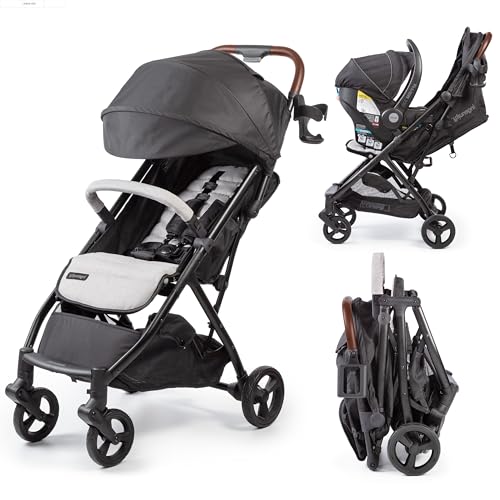
The fold mechanism deserves your first attention when testing strollers in person. A quality one-handed fold should engage smoothly without requiring excessive force or awkward positioning. We recommend practicing the fold multiple times in-store, as you’ll use this feature countless times with a squirming child in your other arm. Check that the folded stroller locks securely and stands upright on its own.
Maneuverability separates good strollers from great ones. Test one-handed steering by navigating tight spaces and sharp turns. Premium models typically feature front swivel wheels that can lock for straight-line stability on rough terrain. The turning radius matters more than you might expect, especially in crowded stores or narrow sidewalks.
Storage capacity varies dramatically across models, with baskets holding anywhere from 10 to 30 pounds. Test the basket’s accessibility when the seat reclines fully, as many designs become nearly unusable. Weight limits matter too, particularly if you plan to carry groceries or diaper bags regularly.
Harness systems should adjust easily with one hand while maintaining security. Five-point harnesses are standard, but the buckle mechanism and strap adjustment quality differ significantly between budget and premium options. Brake engagement should require minimal foot pressure while providing confident stopping power on inclines.
Car seat compatibility depends on your infant seat brand. Universal adapters work with most major brands, but brand-specific systems typically offer more secure connections. Verify compatibility before purchasing, as adapter costs can add $50-100 to your total investment.
Lifestyle and Budget Considerations
Urban families prioritize different features than suburban users. City dwellers need compact folding for small apartments, excellent maneuverability for crowded sidewalks, and durable wheels for concrete and curbs. Suburban families can accommodate larger storage baskets and may prefer all-terrain capability for park trails and gravel paths.
Family size planning influences your investment strategy. Single-child families can focus on features like comfort and storage, while growing families should consider expandable models that convert to double strollers. These systems cost $400-800 initially but eliminate the need for a separate double stroller later.
Travel frequency affects weight priorities. Frequent flyers need lightweight options under 20 pounds, even if it means sacrificing storage or suspension. Families who primarily drive can accommodate heavier models in the 25-30 pound range that offer superior comfort and features.
Budget allocation requires honest assessment of your usage patterns. Premium features like adjustable handlebars, reversible seats, and advanced suspension systems add $300-600 to the base price. These upgrades matter most for daily users covering varied terrain. Occasional users often find mid-range models at $300-500 perfectly adequate.
Storage space at home determines folded size requirements. Measure your available space before shopping, as folded dimensions vary from compact 24x18x12 inches to bulky 35x25x15 inches. Apartment dwellers often prioritize this factor over other features.
Total ownership costs include replacement parts, accessories, and potential resale value. Premium brands typically maintain 40-60% of their original value after three years, while budget options depreciate to 20-30%.
Safety and Long-Term Value Factors
Safety certifications from JPMA (Juvenile Products Manufacturers Association) ensure compliance with federal standards for stability, brake performance, and structural integrity. While all major brands meet these requirements, some exceed them with additional testing protocols.
Recall history research helps identify potential issues. Check the Consumer Product Safety Commission database for any recalls affecting models you’re considering. Established brands typically respond quickly to safety concerns with free repairs or replacements.
Warranty coverage varies from one year basic protection to lifetime frame warranties. Premium manufacturers often provide three to five-year coverage including parts replacement. Extended warranties matter more for complex features like adjustable suspension or electronic components.
Maintenance requirements differ significantly between models. Ball-bearing wheels and sealed mechanisms require minimal upkeep, while exposed moving parts need regular cleaning and lubrication. Replacement part availability becomes crucial after warranty expiration, particularly for wheels, fabric, and adjustment mechanisms.
Used stroller purchases can offer substantial savings, but require careful inspection. Check frame integrity, wheel alignment, brake function, and harness condition. Avoid models with bent frames, excessive wear on moving parts, or missing safety components. Factor in professional cleaning costs, which typically run $75-150 for thorough sanitization.
Expected lifespan for quality full-size strollers ranges from five to eight years with proper maintenance. Premium models often outlast their usefulness to individual families, making them excellent candidates for resale or hand-me-down value.
Final Verdict
After extensive testing across various scenarios, the UPPAbaby Cruz V3 emerges as our top pick for most families. Its $649 price point delivers exceptional build quality, intuitive one-handed fold, and versatile wheel configuration that handles everything from smooth sidewalks to gravel paths. The 50-pound weight capacity and compatibility with UPPAbaby’s infant car seat system make it ideal for daily urban adventures.
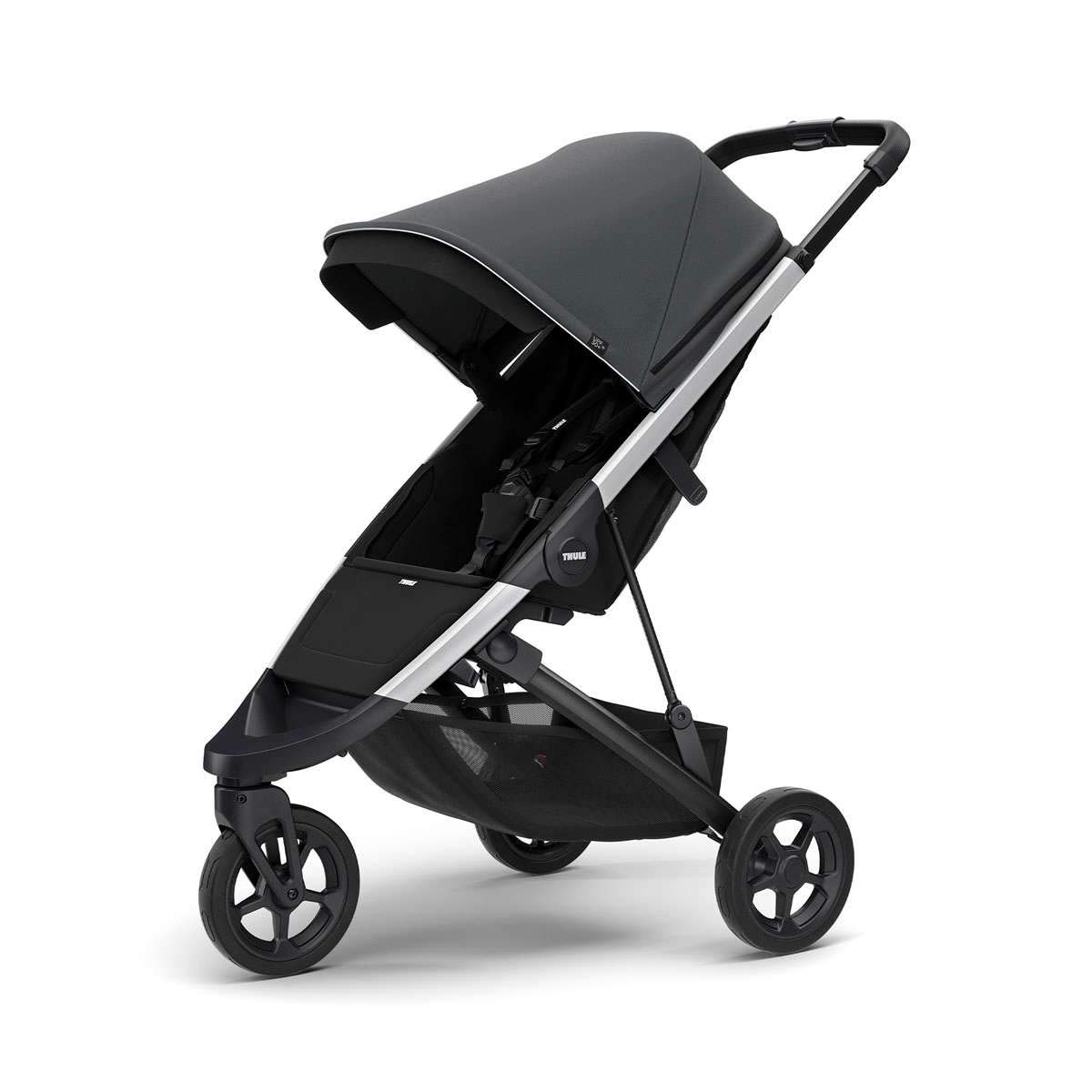
Families prioritizing all-terrain capability should consider the Thule Urban Glide 3 at $599. Its fixed front wheel and solid suspension system excel on trails and uneven surfaces, though the larger footprint requires more storage space.
Growing families benefit most from the UPPAbaby Vista V3 despite its $999 investment. The ability to accommodate two children without purchasing an entirely new stroller system justifies the premium for families planning expansion.
Budget-conscious parents expecting multiple children will find excellent value in the Evenflo Pivot Xpand at $279. While lacking premium materials, it provides genuine expandability at a fraction of competitors’ costs.