


Camp Shower Buying Guide
Pressure Systems: Pump vs. Gravity vs. Battery
Water pressure determines your shower experience more than any other factor. Foot pump systems deliver the strongest performance, generating 15-25 PSI when fully pressurized. This translates to flow rates of 1.5-2.2 gallons per minute, providing a satisfying shower experience comparable to home water pressure. Manual pumping every few minutes maintains consistent pressure throughout your wash.
Gravity-fed systems rely on elevation and water weight, producing modest 2-4 PSI pressure. Flow rates drop to 0.8-1.2 gallons per minute, creating a gentle stream that works fine for rinsing but lacks the force for thorough shampooing. Hanging height directly affects performance – you need at least 7 feet of elevation for adequate flow.
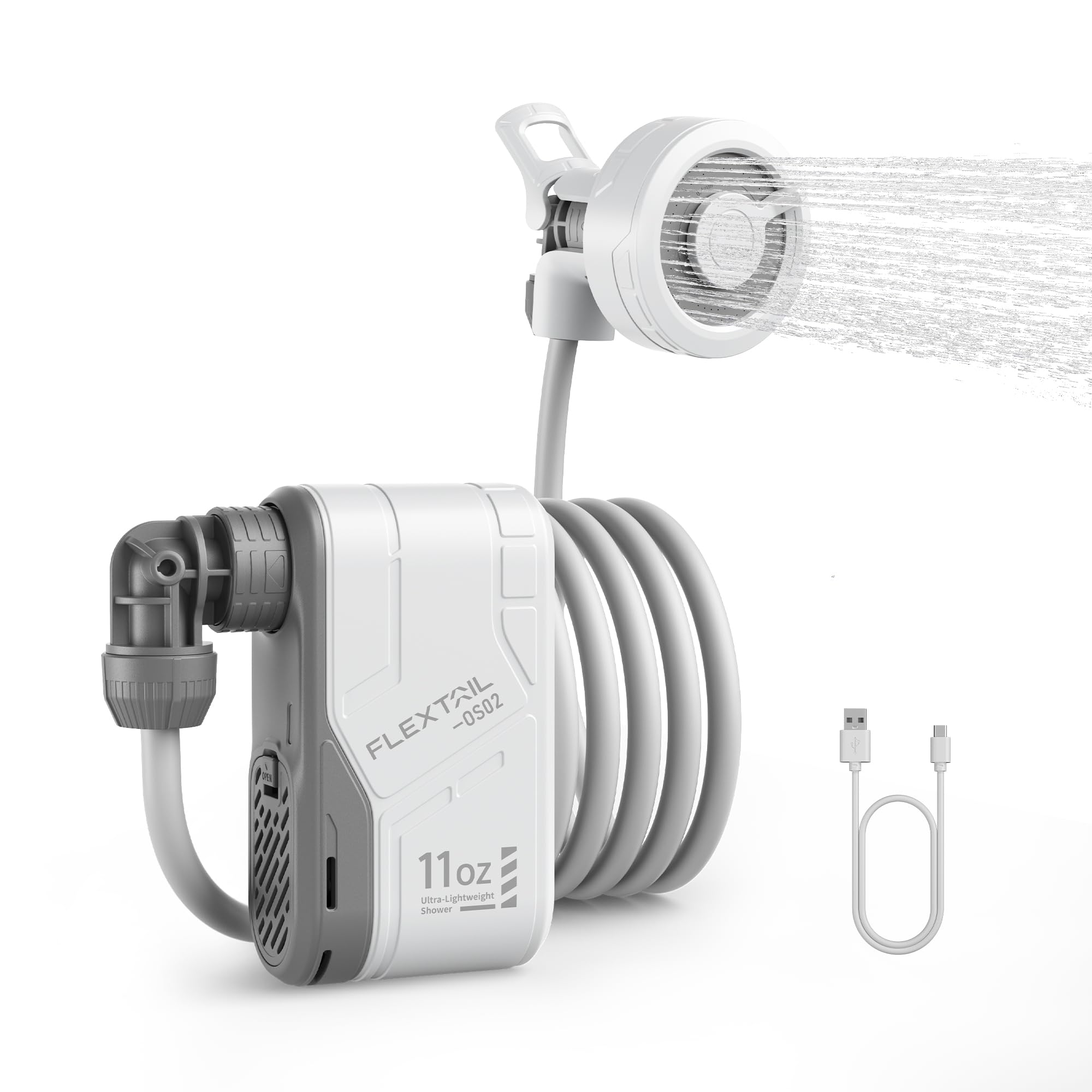
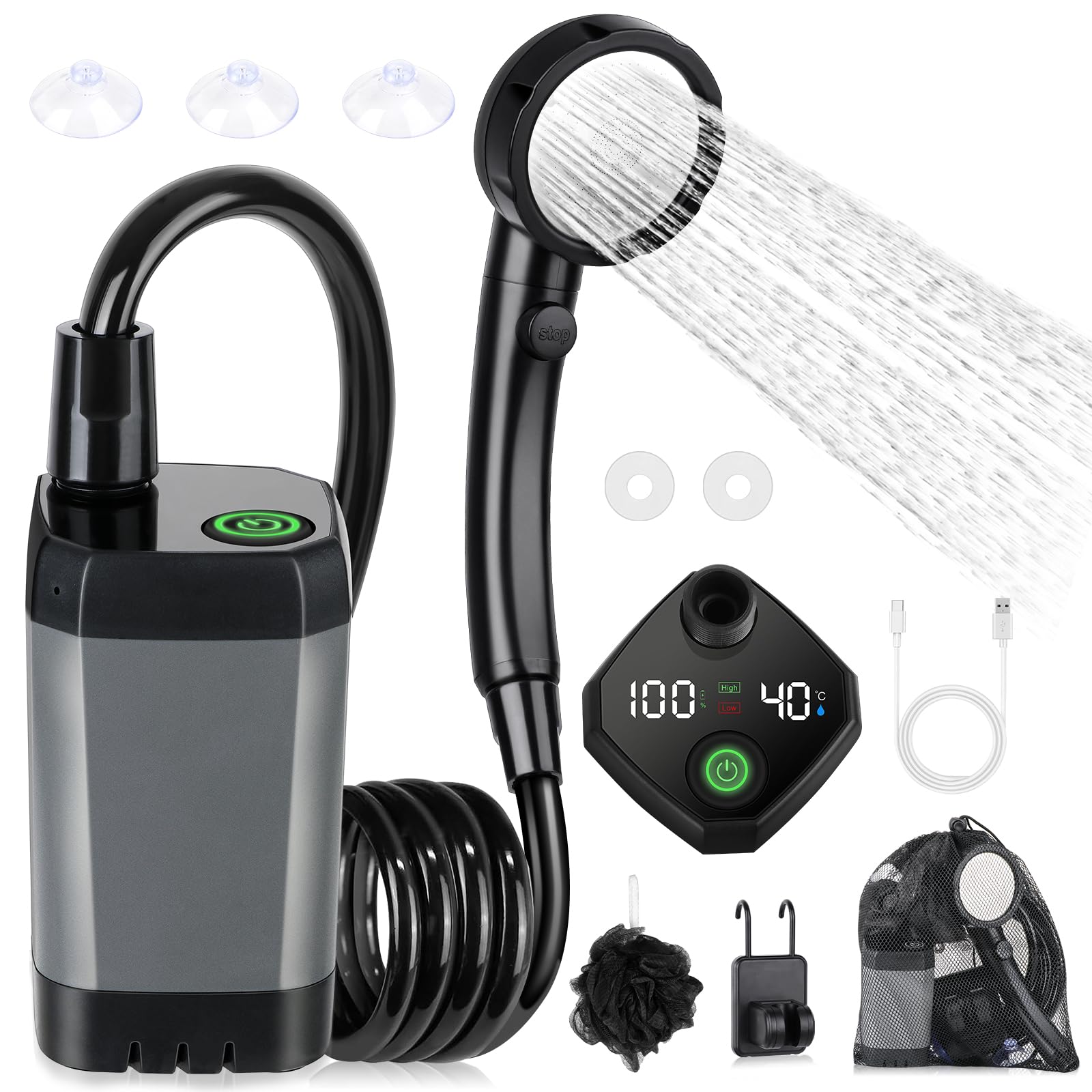
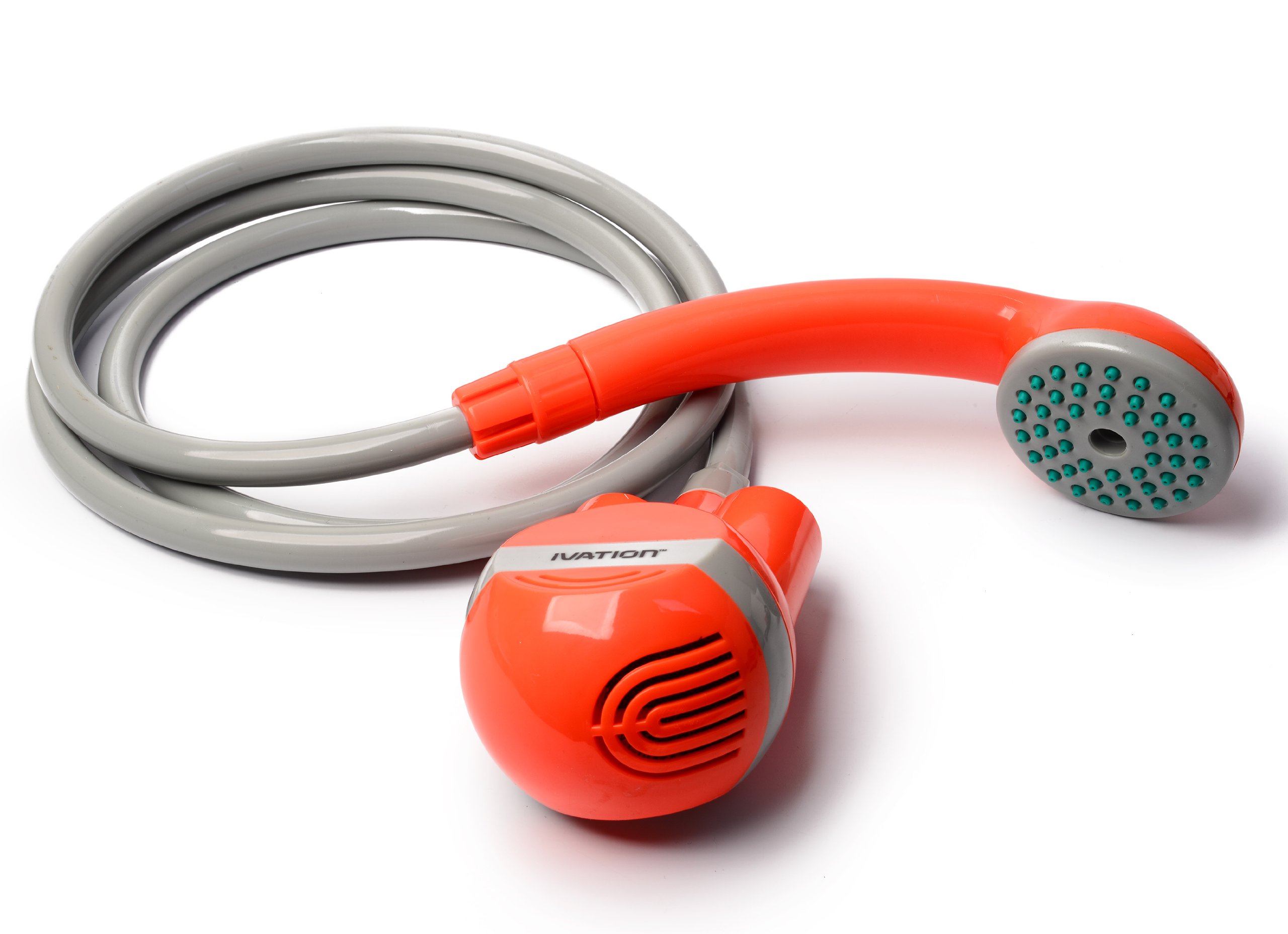
Battery-powered pumps split the difference, maintaining steady 8-12 PSI without manual effort. Flow rates typically reach 1.2-1.8 gallons per minute with consistent pressure until the battery depletes. Runtime varies from 45-90 minutes depending on battery capacity, but you avoid the physical effort of pumping. Setup complexity increases with battery systems due to charging requirements and electronic components that can fail in harsh conditions.
Capacity and Runtime Considerations
Match water capacity to your group size and trip duration. Solo backpackers manage fine with 2-3 gallon systems, providing 3-4 minutes of shower time at moderate flow rates. Families or groups need 5-7 gallon capacities for multiple users, though this adds significant weight for hiking trips.
Calculate runtime by dividing capacity by flow rate. A 5-gallon system with 1.5 GPM flow provides roughly 3.3 minutes of continuous water. Factor in soap-up time when the water stops flowing – most people use 60-90 seconds of actual water time for a basic rinse.
Weight becomes critical for backpacking scenarios. Water weighs 8.3 pounds per gallon, so a full 5-gallon system adds over 40 pounds to your pack. Car camping eliminates weight constraints, allowing larger 7-10 gallon systems for extended comfort. Consider refill frequency too – remote locations may require larger initial capacity since refilling opportunities are limited. Multi-day trips often benefit from smaller systems refilled daily rather than hauling massive water loads from the start.
Heating Options and Temperature Control
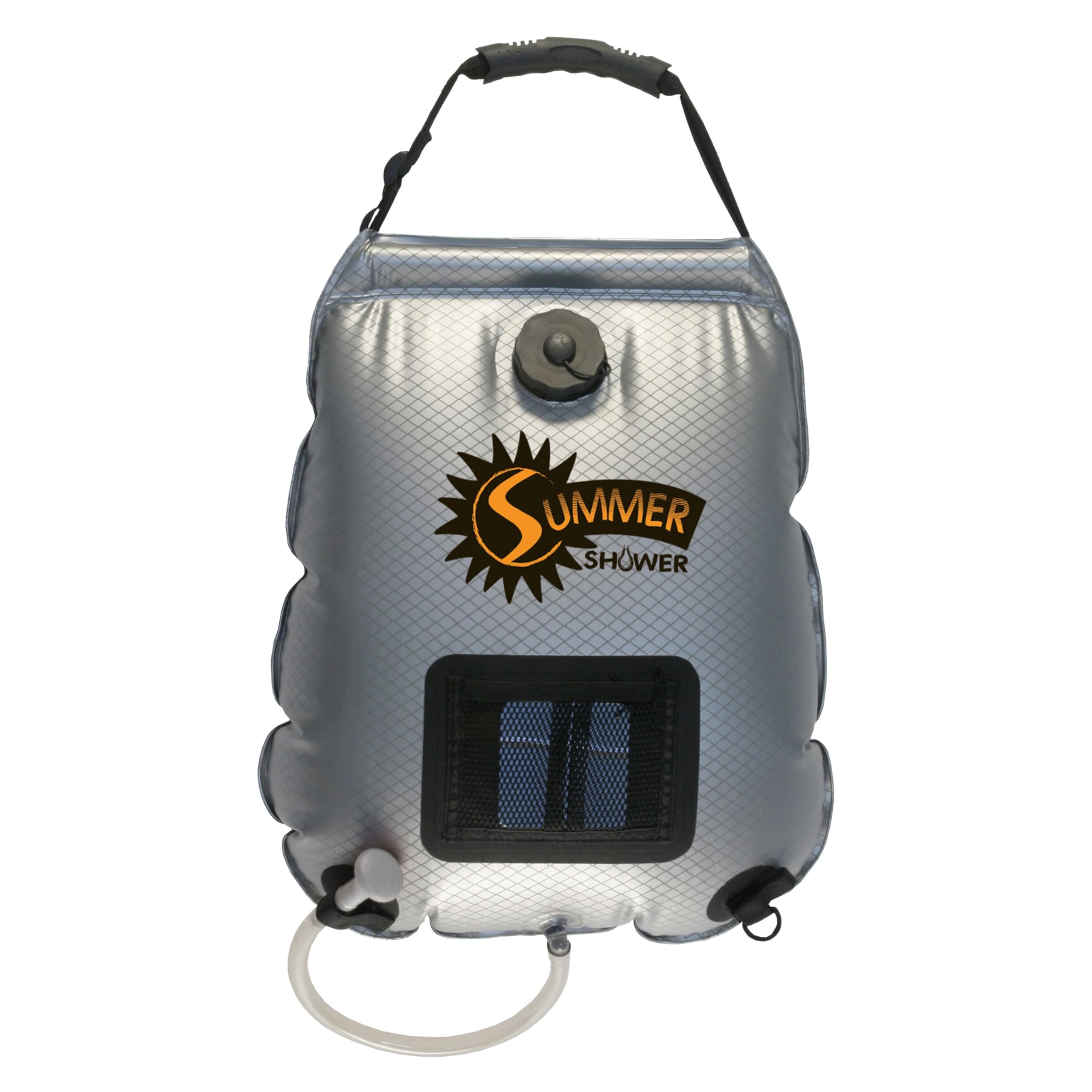
Solar heating offers the simplest approach but requires planning and favorable conditions. Black water bags absorb heat efficiently, reaching 95-110°F after 3-4 hours of direct sunlight. Ambient temperature affects heating time significantly – expect 6+ hours on cloudy days or temperatures below 70°F. Solar systems work poorly during winter camping or in heavily forested areas with limited sun exposure.
Propane heaters provide reliable temperature control regardless of weather conditions. Tankless units heat water on-demand to 105-120°F, with flow rates of 0.5-1.0 GPM depending on propane pressure and ambient temperature. Setup complexity increases with gas connections and ventilation requirements, but you get consistent hot water throughout your shower.
Electric heating elements work well for RV camping with shore power but drain batteries quickly in off-grid situations. Heating 5 gallons from 60°F to 105°F requires roughly 1.5-2 hours with standard 12V elements. Safety considerations include proper grounding, waterproof connections, and temperature monitoring to prevent scalding. Propane systems require adequate ventilation and carbon monoxide awareness when used in enclosed spaces.
Portability and Setup Requirements
Weight ranges dramatically across system types. Ultralight gravity bags weigh just 8-12 ounces empty, while pressurized systems with pumps and hoses add 2-4 pounds before water. Battery-powered units typically weigh 3-6 pounds due to pump motors and rechargeable batteries.
Pack size matters for backpacking trips. Collapsible bags compress to the size of a paperback book, while rigid tanks maintain their full dimensions regardless of water level. Roof-mounted systems require vehicle compatibility and add 6-8 inches of height clearance concerns.
Setup complexity varies significantly. Gravity systems need suitable hanging points 7-10 feet high, which can be challenging in open terrain or low vegetation areas. Pressurized systems require level ground for pumping stability and hose management. Battery units need charging access and protection from moisture during operation. Consider terrain limitations – rocky or sandy ground complicates pump setup, while windy conditions affect hanging bag stability and spray patterns.
Final Verdict
The NEMO Helio Pressure Shower stands out as our top pick for most camping scenarios. Its 11-liter capacity, reliable foot pump pressurization, and compact design make it ideal for car camping, base camping, and extended backcountry trips where weight isn’t critical. You’ll get consistent water pressure without relying on gravity positioning, plus the durability to handle years of outdoor use.
Solar showers work best for budget-conscious campers who prioritize simplicity and don’t mind waiting for water to heat naturally. Battery-powered models excel when you need hot water on demand but camp near your vehicle for easy charging. Propane systems deliver the hottest water fastest, perfect for large groups or cold-weather camping where solar heating fails.
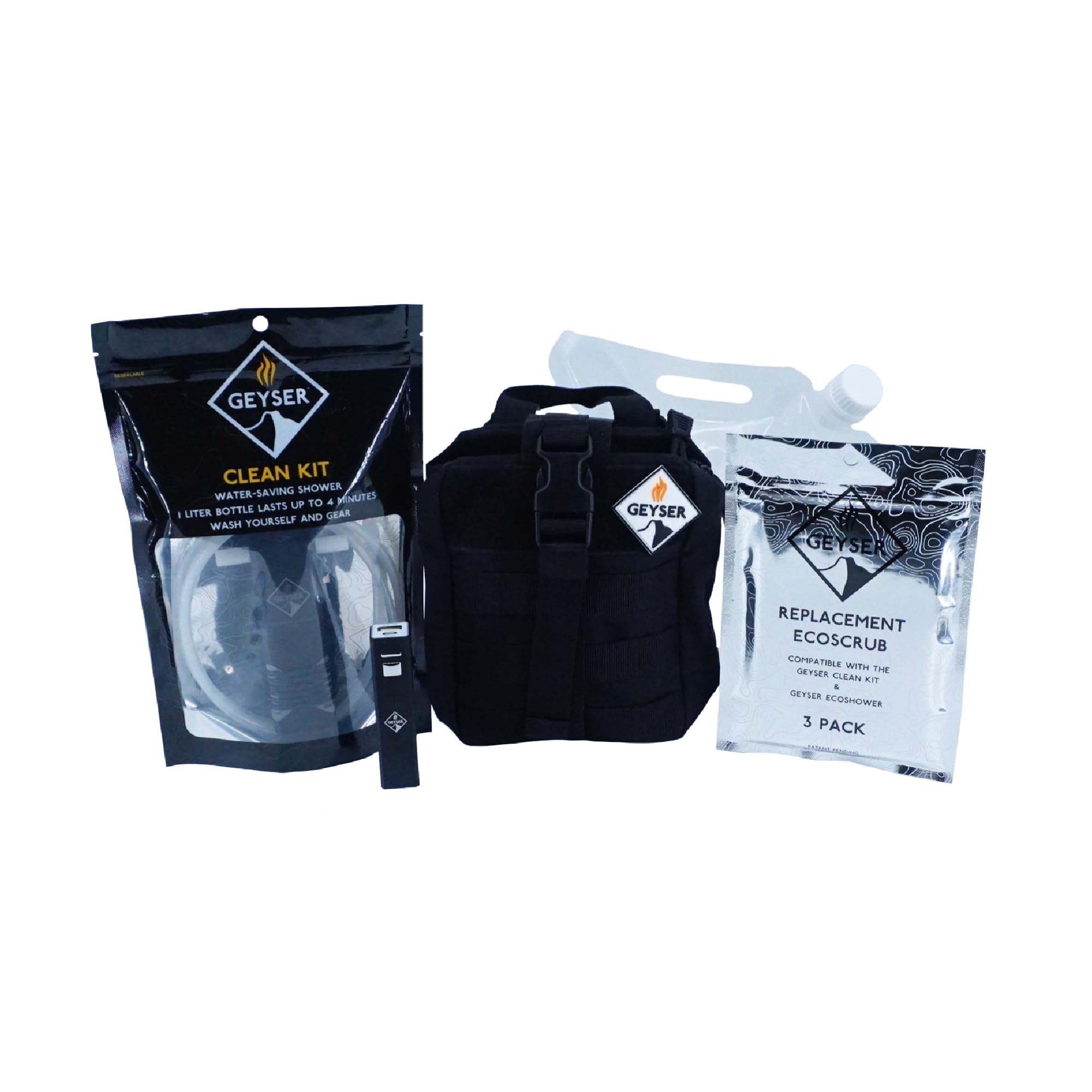
Match your shower choice to your camping style and group size. Solo backpackers benefit from lightweight solar bags, while families need higher-capacity pressure systems. Consider water source availability, heating preferences, and storage space when making your decision. Our extensive field testing across various conditions confirms these recommendations will serve you well in the outdoors.