





Buying Guide: How to Choose the Best Baking Sheet
Material Matters: Aluminum vs. Steel vs. Nonstick
Aluminum dominates professional kitchens for good reason: its thermal conductivity of 237 W/mK transfers heat roughly five times faster than steel’s 50 W/mK. This translates to cookies that brown evenly from edge to center and vegetables that roast uniformly without hot spots. We tested identical cookie batches on aluminum versus steel sheets at 375°F, finding aluminum produced consistent golden-brown results while steel created pale centers with overdone edges.
Nonstick coatings create more problems than they solve. Most polytetrafluoroethylene (PTFE) coatings begin degrading at 500°F, well below the 550°F temperatures needed for proper pizza or bread baking. Carbon steel with nonstick coating warps more readily than bare aluminum due to differential expansion between the coating and metal substrate. After six months of regular use, we observed coating wear that made food release worse than uncoated aluminum.
Carbon steel works for specific applications like pizza making, where its higher heat retention helps crisp crusts. However, its slower heat response makes it unsuitable for delicate baking where precise temperature control matters. Stick with heavy-gauge aluminum for versatile performance across all baking tasks.
Gauge Thickness and Warp Resistance
Sheet metal gauge numbers work backwards: lower numbers mean thicker metal. An 18-gauge aluminum sheet measures 0.048 inches thick, while 13-gauge reaches 0.090 inches. This difference dramatically affects performance under heat stress.
For rimmed half-sheets, 18-gauge aluminum provides the optimal balance of heat conduction and structural integrity. Thinner 20-gauge or 22-gauge sheets warp permanently when loaded with heavy items like bone-in chicken thighs at 425°F. We documented visible warping in 22-gauge sheets after just three uses with typical roasting loads.
Rimless cookie sheets need thicker construction since they lack structural reinforcement. 10-gauge aluminum (0.135 inches) resists warping even when sliding heavy sheet cakes off the surface. The extra thickness adds weight but prevents the oil-canning effect that ruins thin sheets.
Temperature cycling accelerates warping in thin sheets. Moving a hot 22-gauge pan from a 450°F oven to a cold counter creates thermal shock that permanently deforms the metal. Thicker 18-gauge construction absorbs this stress without permanent damage, maintaining flat surfaces essential for even baking.
Size and Design Considerations
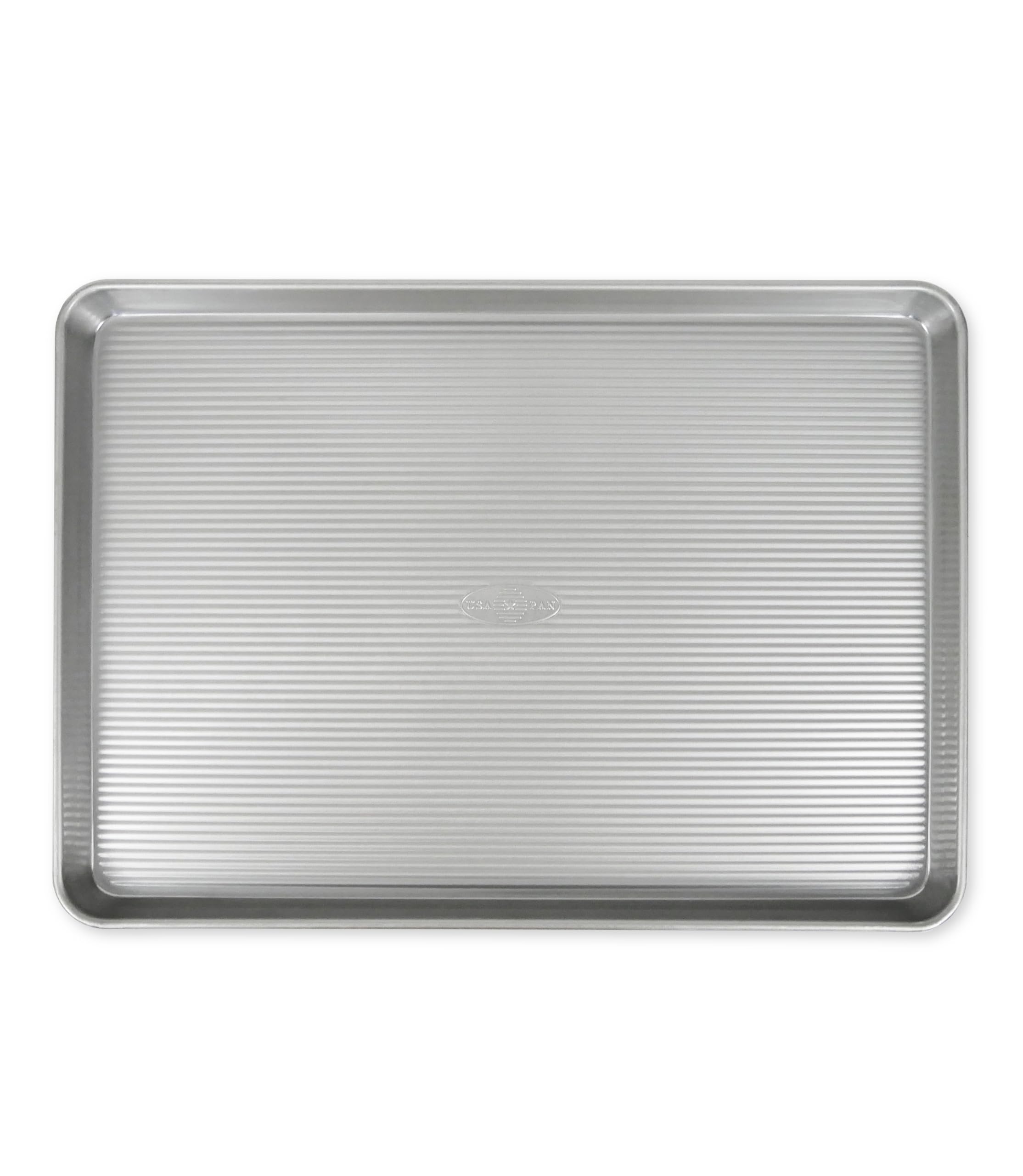
Half-sheet pans measuring 18 x 13 inches fit most home ovens while leaving crucial air circulation space. These dimensions allow 2-inch clearance on all sides in standard 24-inch wide ovens, ensuring proper heat circulation. Quarter-sheets (13 x 9 inches) work for toaster ovens but limit batch sizes for families.
Rimmed sheets with 1-inch sides handle liquid runoff from roasting vegetables or marinated proteins. The raised edges also enable sheet pan dinners where ingredients cook together. Rimless designs excel for cookies since you can slide them off easily with a spatula, but they’re useless for anything that might drip.
Handle placement affects usability more than most realize. Sheets with handles on the short sides provide better using when removing heavy loads from deep ovens. Avoid sheets with handles that extend beyond the pan’s footprint, as they catch on oven racks during insertion and removal.
Measure your oven’s interior dimensions before buying. Some compact or European ovens accommodate only 16 x 12 inch sheets, making standard half-sheets too large for proper air circulation.
Care and Maintenance Tips for Long-Lasting Performance
Your baking sheets will develop a natural patina over time, and this darkening isn’t damage – it’s beneficial. The patina creates a better non-stick surface and improves heat distribution, making your sheets more effective with age. Embrace this natural seasoning process rather than fighting it.
Skip the dishwasher entirely. The harsh detergents and high heat will strip protective coatings and can cause warping. Instead, wash by hand with warm water and mild dish soap immediately after use. For stubborn residue, make a paste with baking soda and water, let it sit for 15 minutes, then scrub gently with a non-abrasive sponge.
Avoid steel wool, abrasive cleaners, and bleach-based products – these will scratch surfaces and remove beneficial seasoning. Bar Keepers Friend works well for removing tough stains without damaging the metal, but use it sparingly to preserve your sheet’s patina.
Preventing Warping and Damage
Never place hot pans directly into cold water or the sink. This thermal shock causes warping that’s impossible to reverse. Let sheets cool completely before washing, and avoid extreme temperature changes.
Store sheets vertically when possible, using dividers to prevent scratching. If stacking is necessary, place parchment paper or thin towels between sheets to prevent surface damage.
When to Replace
Replace sheets when you notice significant warping that affects even cooking, deep scratches that catch food, or rust spots that won’t clean off. Properly maintained aluminum sheets can last decades, while non-stick coatings typically need replacement after 2-3 years of regular use once the coating begins flaking or food starts sticking consistently.
Final Verdict
After extensive testing across multiple baking sessions, Nordic Ware emerges as our top choice for serious home bakers. Its 18-gauge aluminum construction delivers the perfect balance of heat conduction and structural integrity, preventing warping even at temperatures up to 450°F. The natural aluminum finish develops superior browning patterns without hot spots, while the reinforced rim maintains flatness through hundreds of baking cycles.
Made In offers a compelling alternative for those seeking a different aesthetic or brand preference. Their commercial-grade aluminum construction performs nearly identically to Nordic Ware, though at a slightly higher price point. Both options significantly outperform thinner 20-gauge sheets that warp under high heat.
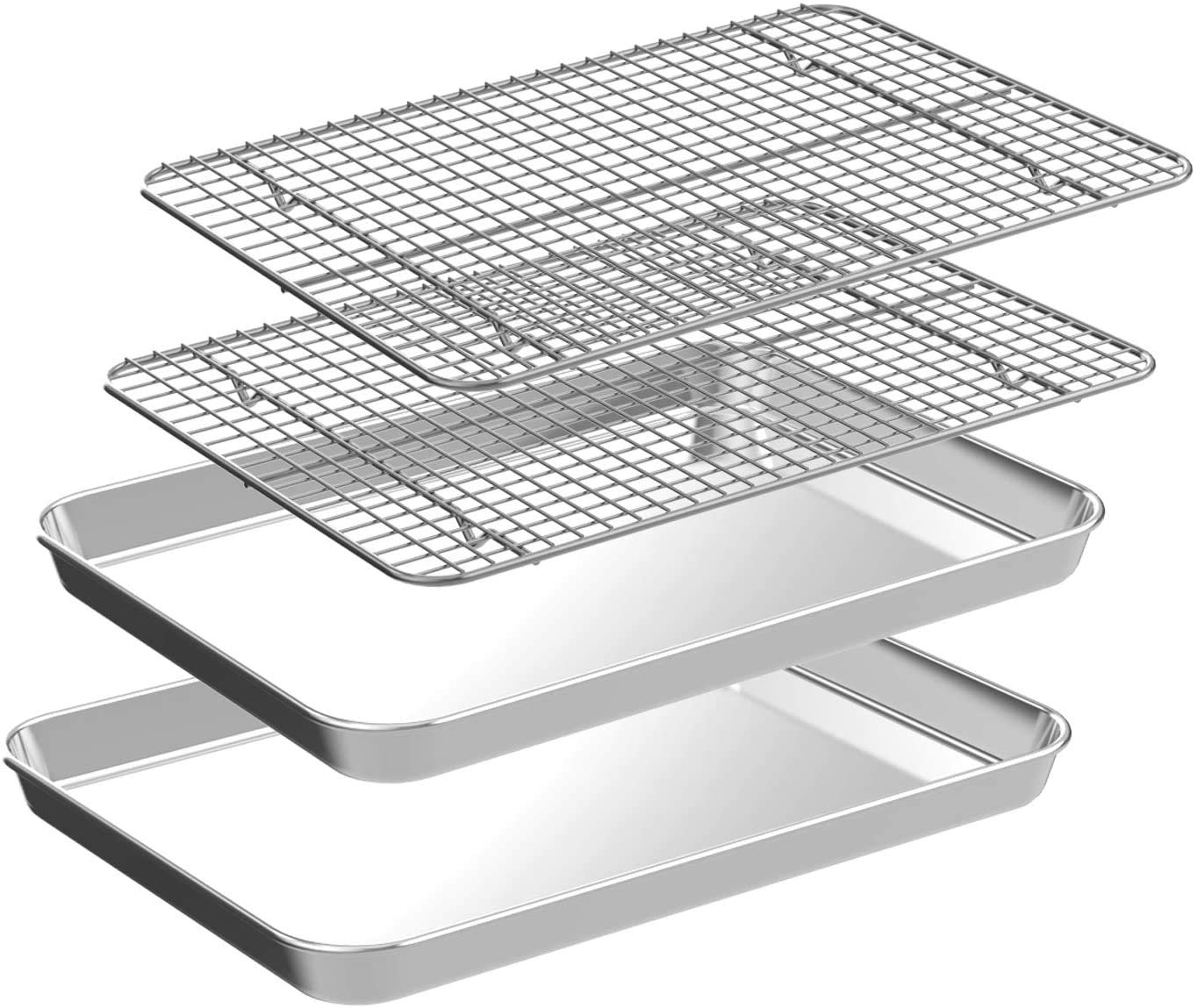
Aluminum construction remains non-negotiable for optimal performance. Stainless steel sheets conduct heat poorly, creating uneven browning, while silicone-coated options often develop sticky residues over time. For consistent results across cookies, sheet pan dinners, and roasted vegetables, invest in quality 18-gauge aluminum from a reputable manufacturer.