




Buying Guide
Key Features to Consider
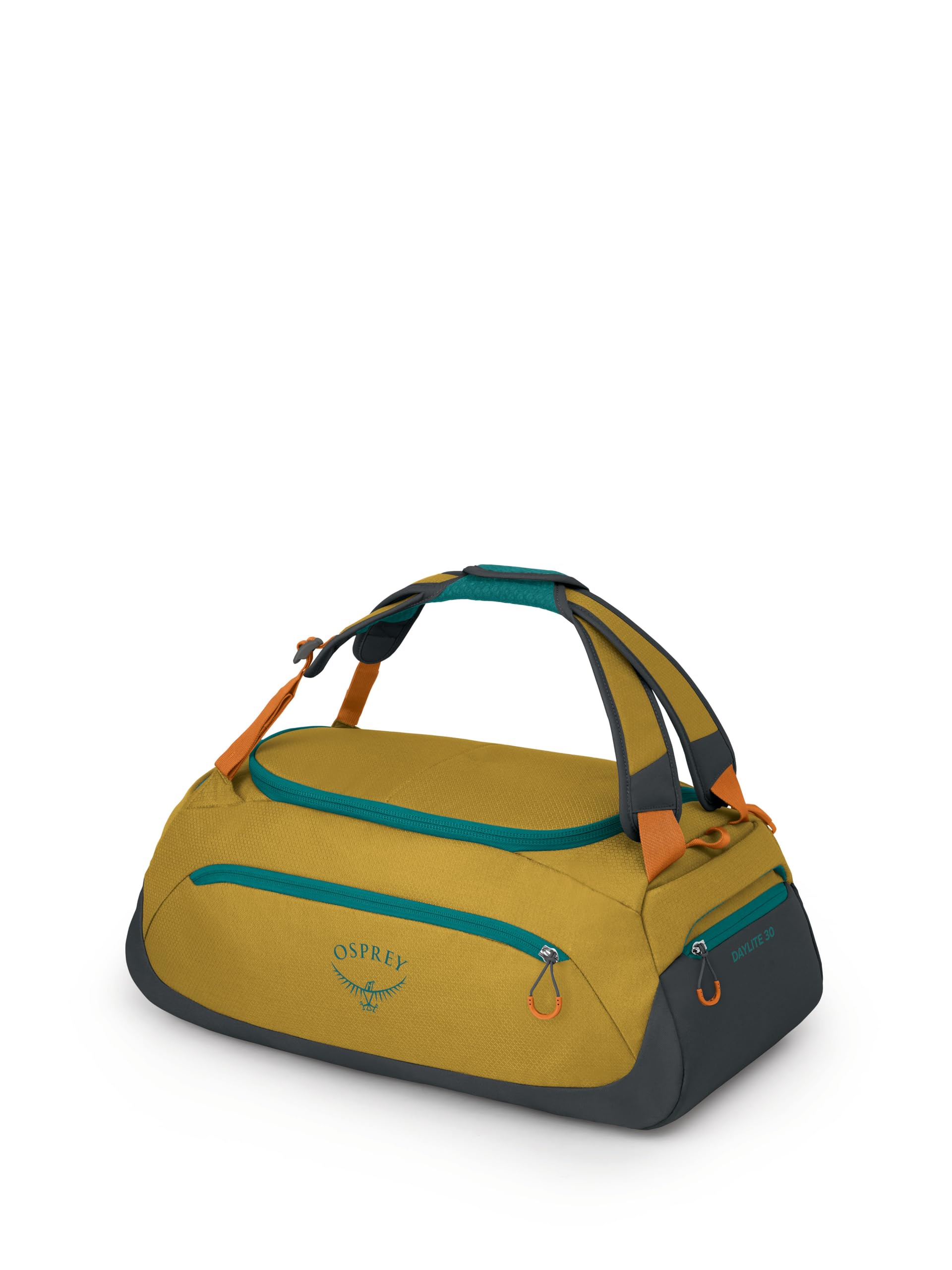
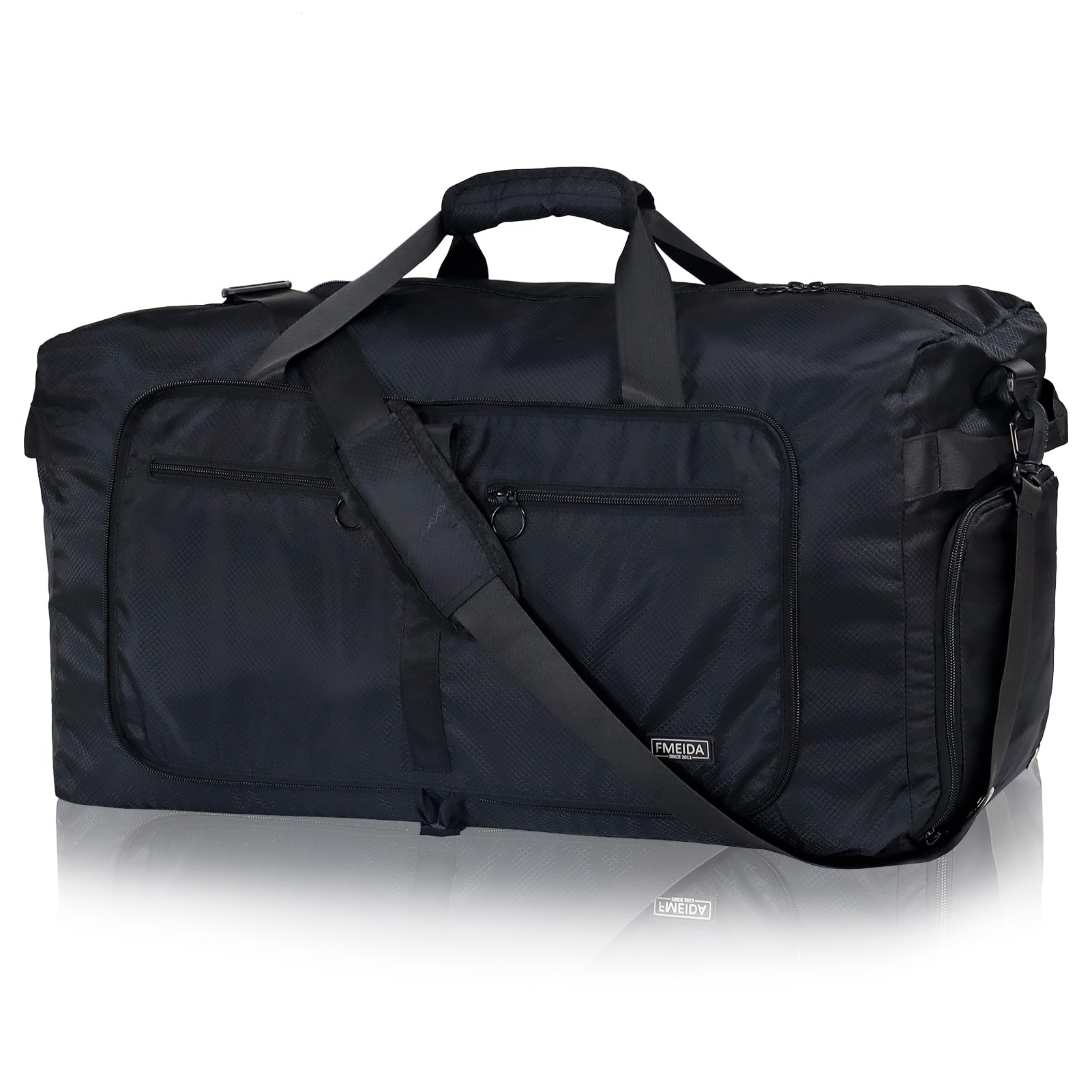
Capacity drives every other decision when selecting a duffel bag. Most gym bags fall between 20-30 liters, while weekend travel requires 40-45 liters for carry-on compliance. Extended adventures demand 60+ liters, though weight becomes a significant factor at these sizes.
Material durability matters more than marketing suggests. Denier ratings between 200-400D handle daily gym use effectively, while 600-1000D fabrics withstand outdoor adventures and frequent travel. Ballistic nylon offers superior tear resistance, but recycled polyester provides adequate strength at lower weights and costs.
Carry options determine real-world usability. Basic duffel handles work for short distances, but backpack straps become essential for longer carries or when navigating airports. Rolling options add convenience but increase weight and reduce packability. Look for padded shoulder straps and reinforced handle attachment points.
Organization features separate functional bags from frustrating ones. Internal dividers keep clean clothes separate from dirty gear, while external pockets provide quick access to essentials. Shoe compartments with ventilation prevent odor transfer, and laptop sleeves protect electronics during mixed-use scenarios.
Choosing the Right Size and Capacity
Size selection requires matching capacity to specific use cases rather than assuming bigger is better. A 20-30 liter bag accommodates gym essentials, work clothes, and toiletries without excess bulk. These sizes typically measure 18x10x8 inches, fitting standard gym lockers comfortably.
Weekend travel and carry-on compliance center around 40-45 liter bags measuring approximately 22x14x9 inches. This capacity holds 3-4 days of clothing, shoes, toiletries, and electronics while meeting most airline restrictions. Major carriers allow carry-ons up to 22x14x9 inches, though budget airlines often impose stricter limits.
Extended trips require 60+ liters but create weight challenges. A fully packed 70-liter bag easily exceeds 50 pounds, approaching checked baggage limits. Consider your physical capabilities and transportation methods before choosing large capacities.
Weight-to-volume ratios reveal efficiency differences between designs. Quality bags achieve 1-2 pounds per 30 liters of capacity. Heavier ratios indicate excessive hardware or thick materials that reduce packing space.
Material and Durability Considerations
Denier ratings provide objective durability measurements, but fabric type matters equally. 420D ripstop nylon often outperforms 600D polyester in tear resistance due to weaving techniques. Ballistic nylon at 1050D represents the durability ceiling for travel bags, though weight penalties make it impractical for ultralight applications.
Water resistance levels range from basic DWR coatings to fully waterproof constructions. Most travel scenarios require only water-resistant fabrics that shed light rain and spills. Waterproof bags with welded seams add weight and cost while creating condensation issues during extended use.
Reinforcement features extend bag lifespan significantly. Double-stitched seams, reinforced stress points, and protective bottom panels prevent common failure modes. YKK zippers cost more initially but rarely fail compared to generic alternatives.
Maintenance requirements vary by material choice. Ballistic nylon requires minimal care, while canvas needs regular treatment to maintain water resistance. Consider your maintenance preferences when choosing between low-maintenance synthetics and traditional materials requiring periodic care.
Final Verdict
The Patagonia Black Hole 40L strikes the ideal balance between durability, versatility, and reasonable pricing at $149. Its weather-resistant TPU coating handles everything from gym sweat to light rain, while the 40-liter capacity accommodates weekend trips without becoming unwieldy for daily use. The external daisy chains and simple interior organization work for most travelers without overcomplicating things.
Budget-conscious buyers should consider the REI Co-op Big Haul 40 at $89, which delivers solid construction and similar capacity for $60 less. Organization enthusiasts will appreciate the Peak Design Travel Duffel 35L with its modular packing cubes, though you’ll pay $230 for that convenience. For serious water exposure, the SealLine Pro Dry Duffel offers true waterproof protection with welded seams.
Your primary use case should drive the decision. Gym-to-weekend-trip versatility? Go with the Black Hole. Strict budget? The REI Big Haul delivers. Need bomb-proof waterproofing for kayaking or sailing? Invest in the SealLine. Consider how often you’ll use premium features before paying extra for them.