
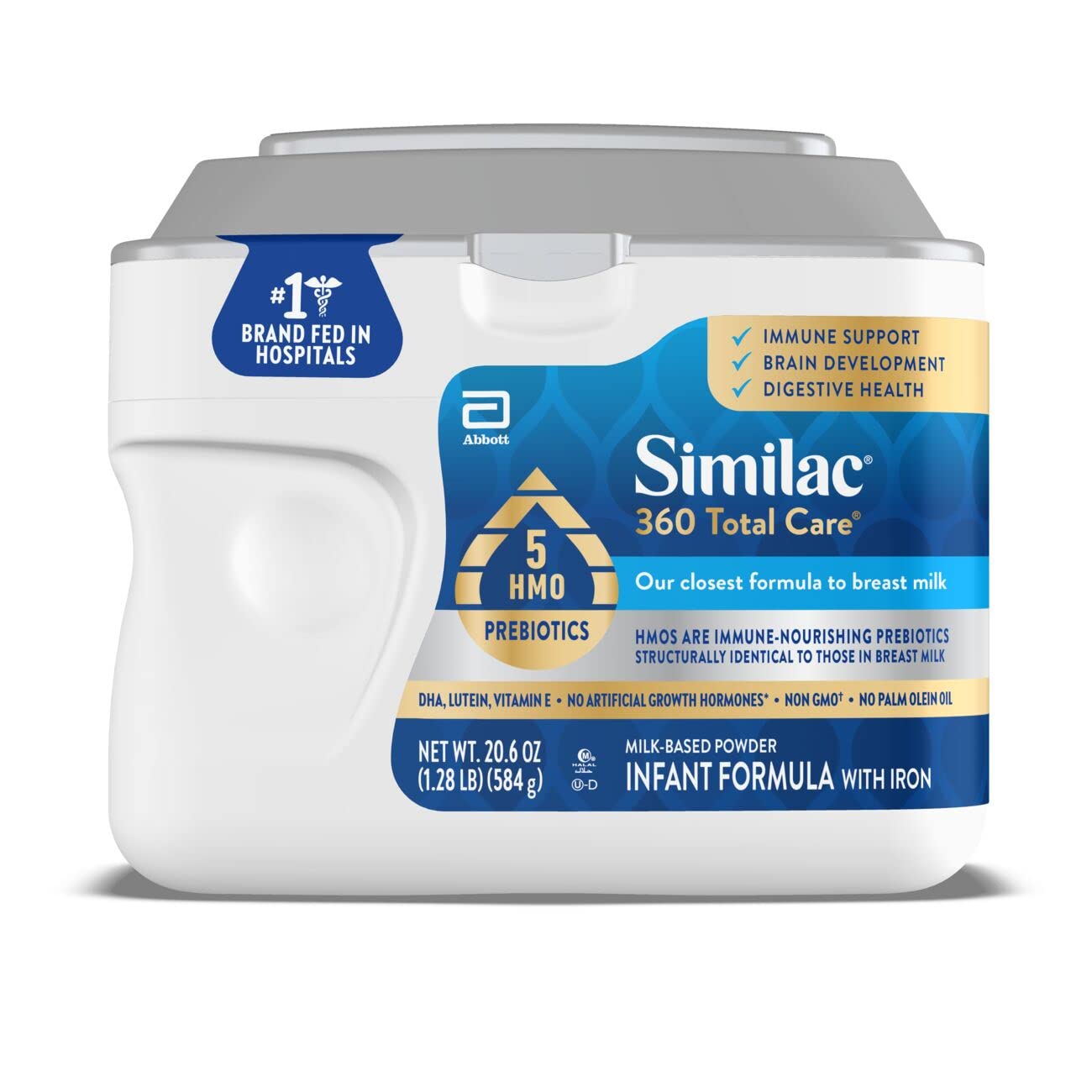

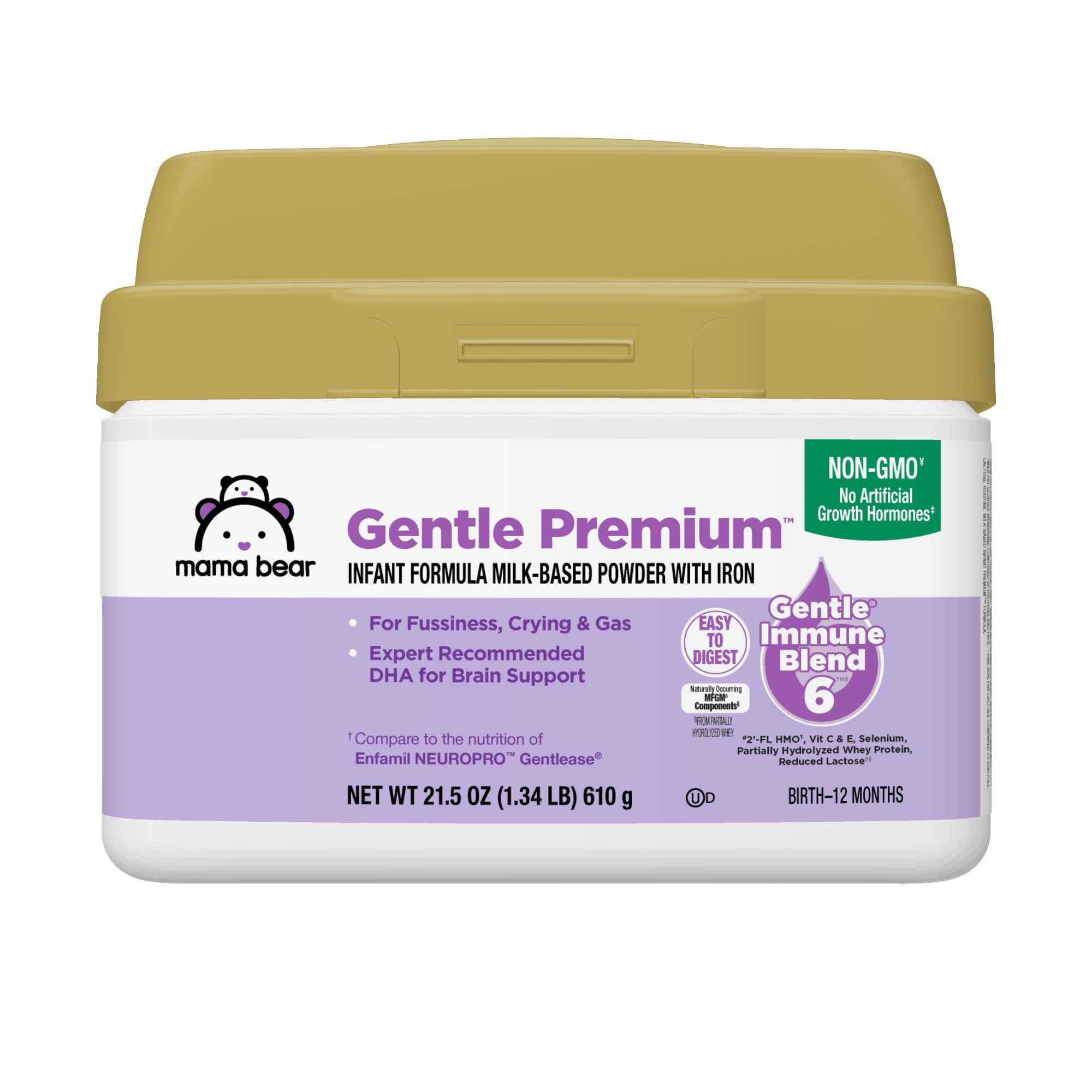


Buying Guide
Key Nutritional Factors to Evaluate
The carbohydrate source forms the foundation of any quality formula. Lactose should be your first choice since it mirrors breast milk’s primary carb and supports calcium absorption plus beneficial gut bacteria growth. Corn syrup solids appear in some budget formulas but offer less nutritional value than lactose.
Protein quality matters significantly for your baby’s development. Look for formulas with a 60:40 whey-to-casein ratio, matching breast milk composition. Whey proteins digest more easily than casein, reducing potential stomach upset. Extensively hydrolyzed proteins work best for babies with milk sensitivities since the proteins are pre-broken down for easier processing.
Essential fatty acids, particularly DHA and ARA, support brain and vision development during critical early months. European formulas often contain higher DHA levels than US standards require, with some providing 17mg per 100 calories versus the US minimum of 8mg. These omega-3 and omega-6 fatty acids can’t be produced by your baby’s body, making dietary sources crucial.
Prebiotics and probiotics offer gut health benefits, though effectiveness varies by specific strains used. Prebiotics like galacto-oligosaccharides (GOS) and fructo-oligosaccharides (FOS) feed beneficial bacteria, while probiotics add live beneficial strains directly. However, probiotic survival through formula processing and storage remains inconsistent across brands.
When to Choose Specialized Formulas
Most babies thrive on standard cow’s milk-based formulas, but specific signs indicate when specialized nutrition becomes necessary rather than just preferred. Persistent gas, fussiness after feeding, frequent spit-up, or loose stools may signal digestive sensitivity requiring a gentle formula with partially hydrolyzed proteins.
True milk protein allergies demand extensively hydrolyzed or amino acid-based formulas. Watch for severe symptoms like blood in stool, persistent vomiting, or skin reactions after feeding. These medical conditions require pediatrician consultation before switching formulas.
Organic formulas appeal to parents concerned about pesticide exposure and farming practices, though nutritional differences compared to conventional formulas remain minimal. Organic certification does ensure stricter ingredient sourcing but typically costs 20-30% more than conventional options.
Palm oil-free formulas address digestibility concerns since palm oil can reduce calcium absorption and cause firmer stools in some babies. European formulas often avoid palm oil entirely, using alternative fat blends that may improve nutrient absorption.
Practical Considerations and Common Mistakes
Formula preparation requires precision for safety and nutrition. Always use the exact powder-to-water ratio specified on packaging. Too concentrated formula can stress your baby’s kidneys, while overly diluted formula provides insufficient nutrition. Never add extra powder thinking more is better.
Storage timing matters significantly for both safety and cost management. Prepared formula lasts only one hour at room temperature, 24 hours refrigerated. Powder formula expires 30 days after opening, regardless of the printed date. Buy only 2-3 cans initially when trying new brands to avoid waste if your baby doesn’t tolerate the formula well.
Switching formulas requires patience and gradual transition. Mix increasing ratios of new formula with current formula over 3-5 days, allowing your baby’s digestive system to adjust. Immediate switches can cause unnecessary stomach upset even with superior formulas.
Generic store brands offer identical nutritional profiles to name brands at 50-70% lower costs since FDA regulations standardize formula composition. The $15-20 monthly savings per baby adds up significantly over the first year. However, avoid switching brands frequently just for savings, as consistency helps maintain digestive comfort.
Budget Planning and Cost Analysis
Formula costs vary dramatically based on type and format. Powder formulas cost $0.15-0.25 per ounce prepared, while ready-to-feed versions run $0.35-0.50 per ounce. Generic powder formulas average $18-22 per month versus $28-35 for name brands. Specialized formulas like extensively hydrolyzed options cost $45-65 monthly, while amino acid-based formulas reach $80-120 per month.
Convenience formats carry premium pricing. Ready-to-feed eliminates mixing but costs 2-3 times more than powder. Liquid concentrate splits the difference at roughly 1.5 times powder cost. Factor feeding frequency into calculations since newborns consume 2-3 ounces every 2-3 hours, totaling 16-24 ounces daily.
Making Your Decision
Prioritize based on your family’s primary concerns. Budget-conscious families should start with generic powder formulas and upgrade only if digestive issues arise. Premium nutrition seekers can justify organic or European imports for added peace of mind. Convenience-focused parents may prefer liquid formats despite higher costs. Always consult your pediatrician before choosing specialized formulas, but remember that most babies thrive on standard options regardless of price point.
Final Verdict
Most FDA-approved baby formulas deliver virtually identical nutritional profiles, making your choice less about nutrition and more about practical factors like budget, preparation convenience, and your baby’s specific digestive needs.
For most families, starting with value leaders like Member’s Mark or Kirkland Signature makes financial sense. These store brands offer the same nutritional foundation as premium options at roughly half the cost, potentially saving you $1,200 annually compared to name brands.
Ready-to-feed formulas provide ultimate convenience but cost significantly more per ounce. Powder remains the most economical choice, while liquid concentrate splits the difference on both price and prep time.
Switch to specialized formulas only if your pediatrician identifies specific issues like lactose sensitivity, reflux, or protein allergies. Gentle formulas with partially hydrolyzed proteins can help with minor digestive discomfort, but extensive hydrolysate or amino acid formulas require medical guidance and carry premium pricing.
Remember that formula tolerance varies by individual baby, so don’t hesitate to try different options within your budget range if digestive issues persist.