



Buying Guide
Room Size and Power Requirements
Matching your subwoofer to your room size determines whether you’ll get clean, controlled bass or a muddy mess. For rooms under 1,500 cubic feet, an 8-inch or 10-inch driver with 200-300W RMS provides adequate output without overwhelming the space. Medium rooms between 1,500-3,000 cubic feet benefit from 10-12 inch drivers with 300-500W RMS, while larger spaces over 3,000 cubic feet typically require 12-15 inch drivers with 500W+ RMS to pressurize effectively.
Calculate your room volume by multiplying length × width × height in feet. A 15×12×9 foot room equals 1,620 cubic feet, placing it in the medium category. Room acoustics matter as much as size though. Hard surfaces like tile and glass reflect bass energy, requiring less power, while carpeted rooms with heavy furniture absorb low frequencies and need more output. Open floor plans connecting to adjacent rooms effectively double or triple your cubic footage requirements, demanding significantly more powerful subwoofers to maintain even bass distribution throughout the listening area.
Sealed vs. Ported: Which Design is Right for You?
Sealed subwoofers excel at musical accuracy and tight bass response. The closed cabinet design provides natural damping that prevents overhang and maintains precise control over the driver. This makes sealed designs ideal for music listening, especially genres like jazz, classical, and acoustic where bass timing matters more than sheer output. Sealed subs also work better in smaller rooms where space constraints limit placement options, since they’re less sensitive to boundary effects.
Ported designs trade some accuracy for deeper extension and higher output levels. The port tuning allows the subwoofer to reproduce frequencies 5-10Hz lower than equivalent sealed models while producing 3dB more output at the tuning frequency. This makes ported subs perfect for home theater applications where movie soundtracks demand earth-shaking explosions and rumbling effects. However, ported designs require more careful placement since the port can create unwanted noise if positioned too close to walls. The port also introduces a steeper rolloff below the tuning frequency, potentially creating a less natural transition to your main speakers.
Key Features and Specifications That Matter
RMS wattage tells the real story about subwoofer power, not the inflated peak ratings manufacturers love to advertise. A subwoofer rated at 300W RMS with 1,200W peak power delivers 300W continuously, which determines its real-world performance. Focus on RMS ratings when comparing models, as peak numbers are largely meaningless marketing figures that represent brief, unsustainable power spikes.
Frequency response measurements reveal how deep your subwoofer reaches, but pay attention to the measurement standard. A specification like “25Hz-200Hz ±3dB” means the output stays within 3 decibels across that range, providing useful performance data. Vague claims like “down to 20Hz” without tolerance specifications are worthless. App control has evolved from a luxury to a necessity, offering room correction algorithms, parametric EQ, and phase adjustments that optimize performance for your specific space.
Dual subwoofer setups provide more than double the bass output. Two properly positioned subs smooth room response by exciting different room modes, reducing the peaks and nulls that plague single-sub installations. This approach works better than buying one expensive subwoofer, since two $400 models typically outperform one $800 unit in terms of even bass distribution and overall impact throughout your listening area.
Final Verdict
The RSL Speedwoofer 10S MKII earned our top recommendation by delivering exceptional performance across every metric that matters. Its 350-watt amplifier and precision-tuned 10-inch driver produce clean, powerful bass that enhances both explosive movie soundtracks and delicate musical passages without overwhelming your room.
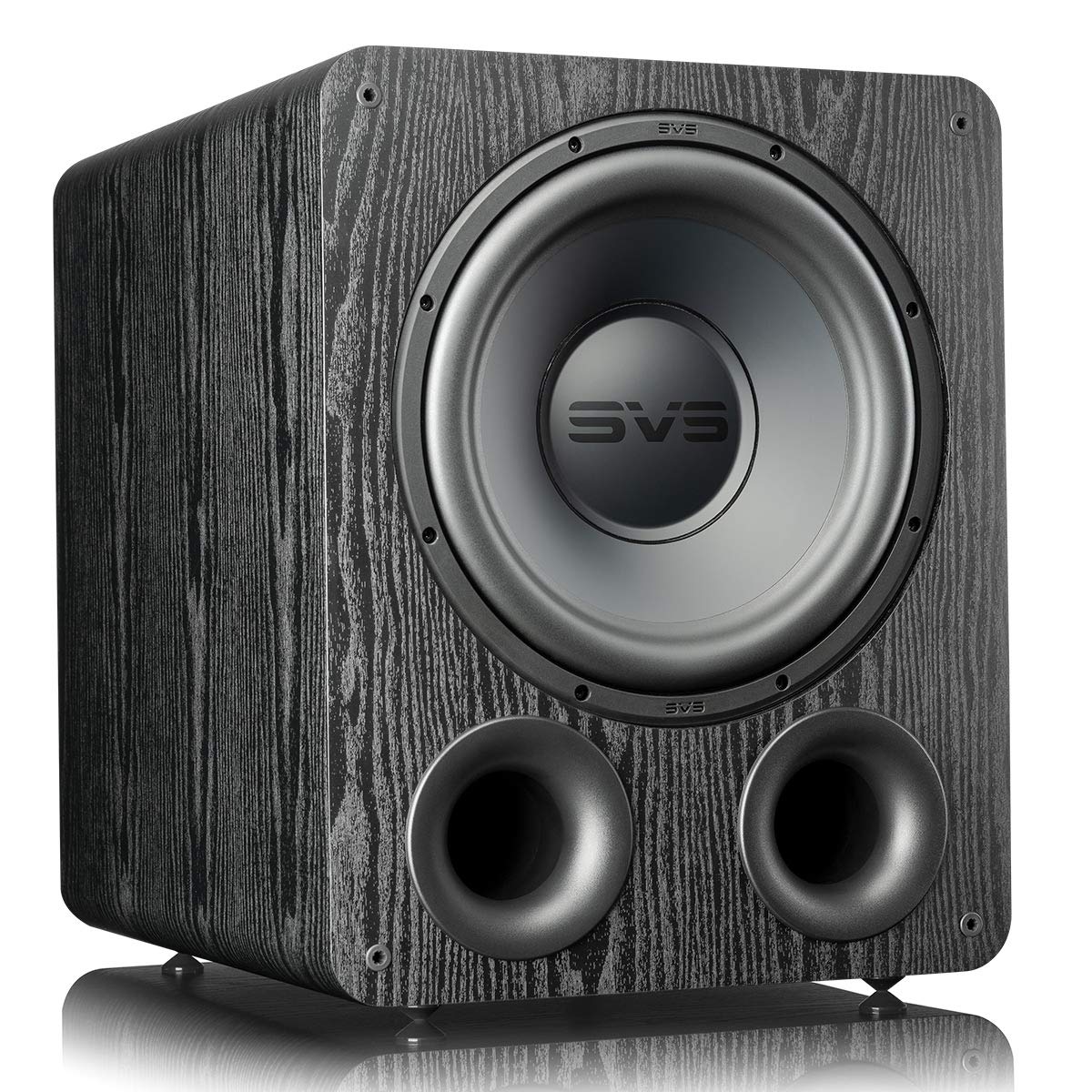
Budget-conscious buyers should consider the Polk Audio PSW10, which offers solid performance at half the price. Space-constrained setups benefit from the compact SVS SB-1000 Pro, while audiophiles seeking reference-quality sound will appreciate the REL T/5x’s musical accuracy.
For home theater enthusiasts, prioritize models with low-frequency extension below 25Hz and sufficient power output for your room size. Music lovers should focus on tight, controlled bass response over maximum output levels.
Every subwoofer we tested transforms your audio experience dramatically. Whether you choose our top pick or select based on specific needs, you’ll gain the foundation that makes movies more immersive and music more emotionally engaging.