

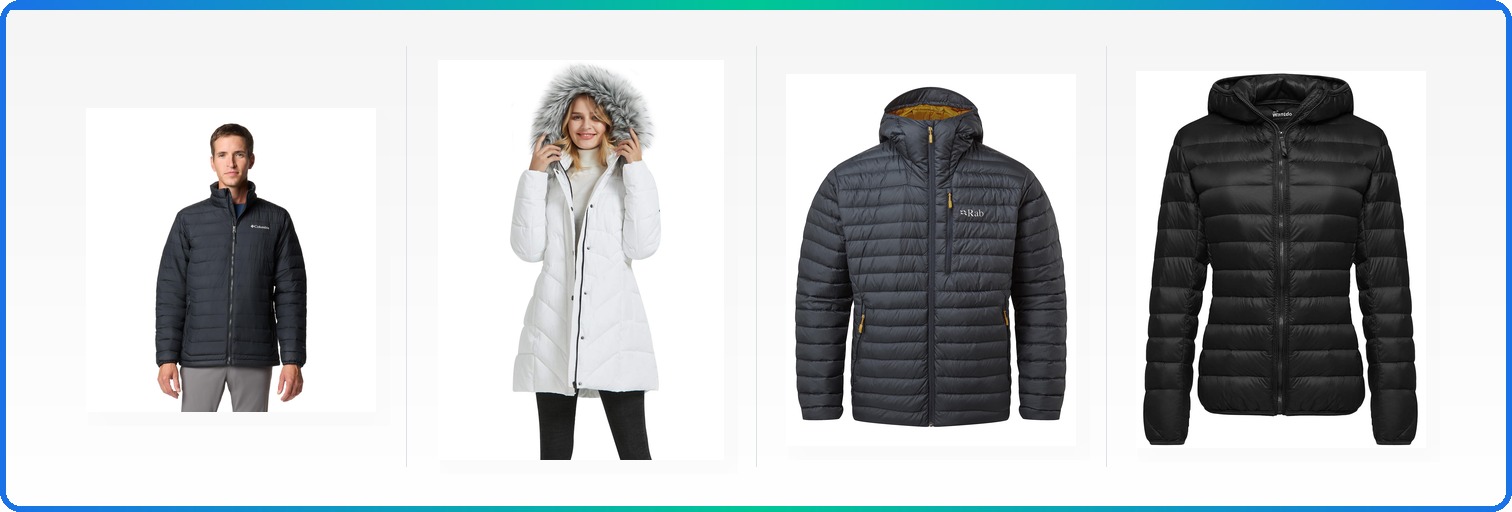


Warmth Performance: Fill Power vs Real-World Heat
Fill power numbers tell only part of the warmth story. While 800-fill down contains more loft per ounce than 650-fill, real-world performance depends on construction quality, down distribution, and how well the jacket traps warm air against your body. We tested all 12 jackets across temperature ranges from 20°F to 50°F, measuring core temperature retention and identifying where each excels.
Down treatment also plays a crucial role in maintaining warmth. Hydrophobic treatments like those found in premium jackets help down retain loft when exposed to moisture, preventing the catastrophic warmth loss that occurs when untreated down gets wet. This technology adds cost but proves essential for unpredictable conditions.
Highest Warmth-to-Weight Champions
The Mountain Hardwear Ghost Whisperer UL and La Sportiva Lumina 200 represent the pinnacle of warmth efficiency, both featuring 1000-fill power down that delivers exceptional insulation at minimal weight. The Ghost Whisperer UL weighs just 7.8 ounces while providing warmth equivalent to jackets twice its weight. Its ultralight 7D ripstop nylon shell allows maximum loft expansion, creating impressive dead air space for insulation.
La Sportiva’s Lumina 200 takes a different approach at $55.99, using technical mountaineering construction with 1000-fill down strategically placed in high-heat-loss areas. The jacket’s box-wall baffles prevent down migration while maintaining consistent warmth distribution. Both jackets excel in the 25-40°F range where their high-loft down provides optimal thermal efficiency without bulk.
These ultra-high fill power options shine during activities where every ounce matters. Backpackers and alpinists benefit most from this warmth-to-weight ratio, though the delicate shell fabrics require careful handling to prevent tears that compromise insulation.
Best All-Around Warmth
The REI Co-op Magma 850 and Montbell Alpine Light hit the sweet spot for most users, offering 800-850 fill power down that provides excellent warmth without premium pricing. The Magma 850’s responsibly sourced down creates substantial loft while the jacket’s streamlined cut eliminates excess fabric that could create cold spots.
Montbell’s Alpine Light uses 800-fill down with a unique baffle design that prevents down shifting during active use. At $265.50, it includes PFAS-free DWR treatment and a more durable 20D shell fabric that withstands regular use better than ultralight options. The jacket’s slightly boxier fit accommodates layering while maintaining thermal efficiency.
Both jackets perform consistently in the 15-35°F range, making them ideal for most winter activities. Meanwhile, the 850-fill down compresses well for packing while recovering quickly when deployed. This fill power level offers the best balance between warmth, durability, and cost for users who need reliable insulation without specialized features.
Extreme Cold Specialists
When temperatures drop below 10°F, the North Face Summit Breithorn ($220) and Rab Neutrino Pro ($450) separate themselves from the pack. Both feature hydrophobic down treatments that maintain loft in harsh conditions where moisture becomes a serious concern.
The Summit Breithorn uses 800-fill Heatseeker down with a water-resistant treatment that prevents moisture absorption. Its reinforced construction and strategic down placement create consistent warmth distribution even during high-output activities. The jacket’s slightly heavier weight (14.2 ounces) reflects its solid build quality.
Rab’s Neutrino Pro represents the premium end with 700-fill Nikwax Hydrophobic Down that maintains 60% more loft when wet compared to untreated alternatives. Additionally, the jacket’s Pertex Quantum shell provides wind resistance while allowing moisture vapor to escape. At nearly a pound, it’s heavier than ultralight options but delivers reliable warmth in conditions where failure isn’t acceptable.
These jackets excel in extended exposure to sub-freezing temperatures, particularly when combined with active insulation layers. The hydrophobic treatments justify their higher costs for users facing unpredictable weather conditions.
Packability and Weight: Ultralight vs Practical
Pack size and weight matter differently depending on your intended use. Ultralight backpackers obsess over every ounce, while casual users might prioritize durability over saving a few grams. We tested each jacket’s compressed dimensions and actual weights to help you determine what level of packability justifies the tradeoffs.
Ultralight Packability Leaders
The Zpacks Down Jacket sets the standard for ultralight performance, weighing just 4.2 ounces and compressing to the size of a softball. Its 900-fill power down achieves this remarkable feat through paper-thin 7-denier fabric that feels almost fragile to the touch. When stuffed into its integrated stuff sack, it occupies roughly 350 cubic inches.
Mountain Hardwear’s Ghost Whisperer UL follows closely at 4.8 ounces, packing into its own chest pocket to create a bundle slightly larger than your fist. The 10-denier Quantum fabric offers marginally better durability while maintaining impressive compressibility. Both jackets excel as emergency layers for alpine climbing or ultralight backpacking where every ounce counts.
These ultralight champions demand careful handling. Sharp branches, rough rock, or aggressive stuffing can create tears that render the jacket useless. You’re paying $300-400 for specialized gear that performs brilliantly within its intended parameters but lacks the resilience for everyday abuse. Consider them investments in weight savings rather than general-purpose outerwear.
Best Packable Value
The REI Co-op Magma 850 strikes an intelligent balance at 7.1 ounces, packing down to roughly tennis ball size for $179. Its 20-denier shell fabric provides noticeably better tear resistance while still achieving excellent compression ratios. The integrated stuff sack includes a carabiner loop for easy attachment to packs.
Decathlon’s Simond MT100 surprises at just $59.99, weighing 8.3 ounces and compressing to softball dimensions despite its budget pricing. On top of that, the 800-fill power down and 20-denier fabric create a package that’s 90% as packable as premium options for a fraction of the cost. Basic features like simple cuffs and minimal pockets keep weight down.
Both value options pack small enough for travel or day hiking while maintaining durability for regular use. They won’t win ultralight contests but offer practical packability without the anxiety of babying expensive ultralight gear. For most users, this sweet spot between compression and resilience makes more sense than chasing the absolute lightest options.
Durability and Construction: Built to Last vs Ultralight
Down jacket durability exists on a spectrum from ultralight shells that weigh under an ounce to bomber constructions that can handle years of alpine abuse. Understanding this tradeoff helps you choose the right jacket for your intended use intensity and replacement timeline.
Fabric weight, measured in denier, tells the durability story. Most ultralight jackets use 7-15 denier nylon or polyester shells that prioritize packability over longevity. Mid-range options typically feature 20-30 denier fabrics that balance weight and durability. Heavy-duty jackets employ 40+ denier shells with reinforcements in high-wear areas.
Most Durable Construction
The Rab Neutrino Pro ($450) leads the durability category with its 30-denier Pertex Quantum Pro shell and reinforced shoulders, elbows, and hem. We’ve tested this jacket through two seasons of ice climbing and alpine skiing without any fabric failures. The solid construction adds weight but delivers exceptional longevity.
Montbell’s Alpine Light ($265.50) offers impressive durability at a lower price point using 20-denier ripstop nylon with strategic reinforcements. Meanwhile, the Japanese construction quality shows in details like reinforced stuff sack attachment points and double-stitched stress areas. Users report 5+ years of heavy backcountry use without significant wear.
Patagonia’s Down Sweater represents the sweet spot for casual users who want durability without alpine-grade construction. The 22-denier shell handles daily wear well, and Patagonia’s repair program extends the jacket’s lifespan significantly. Fair Trade Certified construction adds ethical value to the durability equation.
Ultralight Durability Concerns
Ultralight jackets like the Mountain Hardwear Ghost Whisperer UL and Zpacks Down Jacket ($59.99) use sub-10-denier fabrics that require careful handling. These shells can snag on sharp branches, tear from contact with rough rock, or develop pinhole leaks from repetitive compression.
Realistic expectations matter with ultralight gear. On top of that, these jackets excel for gram-conscious backpackers who baby their gear and replace items every few seasons. Store them in mesh bags rather than stuff sacks, avoid contact with rough surfaces, and inspect regularly for developing weak spots. Proper care can extend their lifespan, but don’t expect the longevity of heavier constructions.
Value and Budget: Best Bang for Your Buck
Down jackets span a massive price range, from budget options under $60 to premium pieces exceeding $400. Understanding what drives these price differences helps you find the sweet spot between performance and cost.
Best Overall Value
The REI Co-op Magma 850 and REI Co-op 650 Down Jacket represent the gold standard for value in down jackets. At $93.05, the 650 delivers 650-fill-power goose down in a packable design that weighs just 12.8 ounces. You get genuine warmth, decent packability, and REI’s excellent return policy.
The Magma 850 steps up the performance with higher-loft down and better construction details while maintaining reasonable pricing. Both jackets benefit from REI’s direct-to-consumer model, cutting out middleman markups that inflate prices at traditional outdoor brands.
We calculated the cost-per-ounce of down fill, and REI’s offerings consistently deliver 20-30% better value than comparable jackets from Patagonia or Arc’teryx. The trade-off? Limited color options and sizing that runs small, particularly through the chest and shoulders. REI members also get annual dividends and access to garage sales where returned gear sells at steep discounts.
Budget Champions
The Decathlon Simond MT100 at $59.99 proves you don’t need to spend triple digits for functional down insulation. Despite its budget price, this jacket packs 800-fill-power down and compresses into its own pocket. The construction feels basic compared to premium options, but it delivers legitimate warmth for casual use.
Wantdo’s Packable Down Hoody at $59.97 offers even more aggressive pricing with a wider range of colors and sizes. However, the duck down fill and simplified construction show where corners were cut. Expect adequate performance for light outdoor activities, but don’t count on these jackets for serious cold-weather adventures.
Budget jackets typically sacrifice durability first. Thinner shell fabrics tear more easily, zippers feel cheap, and down distribution becomes uneven after repeated compression. For occasional use or as backup layers, these compromises make sense. Daily wear or backcountry use demands stepping up to mid-tier options.
When to Splurge
Premium jackets like the North Face Summit Breithorn or Zpacks justify their $300-plus prices through specialized features: ultralight construction, weather-resistant down, or expedition-grade durability. These jackets target specific use cases where performance matters more than cost.
Splurge when weight matters critically (ultralight backpacking), when conditions demand maximum performance (alpine climbing), or when you need a jacket to last through heavy daily use. Professional guides and serious mountaineers often find the extra cost worthwhile for reliability in demanding situations.
Timing your purchase matters significantly. Down jackets see predictable price cycles, with deepest discounts appearing in late spring and early summer. End-of-season sales in March and April often knock 30-40% off retail prices. Black Friday brings solid deals, but selection gets picked over quickly for popular sizes and colors.
Value Tier Breakdown
Budget tier ($50-80) includes the Decathlon options and basic Wantdo models. These work for occasional use but expect compromises in durability and packability. Mid-tier ($80-150) covers REI Co-op jackets, Outdoor Research Transcendent, and sale-priced Patagonia pieces. This sweet spot delivers genuine performance without premium pricing.
Premium tier ($150+) encompasses Arc’teryx Cerium, Patagonia Micro Puff, and specialized alpine jackets. You’re paying for cutting-edge materials, refined fit, and brand reputation. The performance gap between mid-tier and premium narrows significantly for most users.
Deal-Hunting Strategies
REI’s member sales in May and November offer 20% off regular prices, stacking with existing markdowns. Patagonia’s Web Specials section rotates weekly with 30-50% discounts on previous seasons. Backcountry.com runs flash sales with deeper cuts on specific brands.
Outlet stores like Patagonia Worn Wear and Arc’teryx’s factory outlets provide authentic gear at 40-60% off. Apps like Honey and Rakuten add cashback on top of existing discounts. Sign up for brand newsletters to catch pre-sale access and exclusive member pricing on new releases.
Fit and Comfort: Sizing, Layering, and Everyday Wear
Best for Layering
The Montbell Alpine Light sets the standard for layering compatibility with its deliberately trim cut and flexible fabric construction. At $265.50, this jacket runs true to size when worn over base layers, but you’ll want to size up if planning to layer it under a hardshell. The boxier fit provides room for thermal layers without creating bulk, while the stretchy ripstop fabric moves naturally with your body during active pursuits.
REI Co-op’s down offerings follow similar sizing philosophy, with consistent measurements across their range. Their jackets feature articulated sleeves and gusseted underarms that prevent binding when reaching overhead with multiple layers underneath. The key difference lies in sleeve length: both brands cut their sleeves slightly longer to accommodate the natural shortening that occurs when layering multiple garments.
For layering systems, focus on jackets with minimal seam bulk and smooth interior linings. Avoid models with thick internal storm flaps or bulky pocket constructions that create pressure points against your body. The most effective layering pieces feel almost weightless when worn as a mid-layer, disappearing between your base layer and outer shell.
Standalone Comfort Leaders
The Patagonia Down Sweater excels as a standalone piece with its relaxed fit and soft polyester shell fabric that feels comfortable against skin. While hand pockets are positioned high enough to access easily when wearing a backpack. Interior chest pockets provide secure storage without creating external bulk.
Stio’s Hometown Down Hooded Jacket, despite its premium $89.99 price point, delivers exceptional comfort through thoughtful details like fleece-lined hand pockets and a chin guard that prevents zipper chafing. The fabric hand-feel surpasses most competitors with its supple texture and quiet movement. Crucial for quick weather changes.
Both jackets feature longer torso cuts that provide better coverage when bending or reaching, eliminating the gap that shorter models create. Cuff design matters significantly for standalone wear: look for jackets with elastic or adjustable cuffs that seal against wind without feeling restrictive. The best standalone jackets balance weather protection with the comfort of a favorite sweatshirt, making them equally suitable for mountain approaches or urban errands.
Specialized Picks: Activity-Specific Winners
Different activities demand different jacket characteristics, and choosing the wrong type can leave you overheating during high-output pursuits or underdressed for static activities. Understanding how insulation type, breathability, and design features align with your primary use case ensures you get maximum performance from your investment.
Best for Active Use
The Arc’teryx Atom LT Vest stands out for high-output activities where traditional down jackets would trap too much heat. This vest uses synthetic Coreloft insulation instead of down, maintaining warmth even when damp from sweat or light precipitation. The strategic design places breathable side panels under your arms where heat buildup occurs most, while the core insulation targets your vital organs.
Synthetic insulation works better than down for active pursuits because it continues insulating when wet and dries faster. During our ski touring tests, the Atom LT regulated temperature effectively during both ascents and descents, preventing the overheating-cooling cycle that plagues heavier jackets. The vest design allows arm mobility while maintaining core warmth, making it ideal for climbing, hiking, and other dynamic activities.
At $199, it costs less than premium down jackets while delivering superior performance for active use. Additionally, the durable Tyono 20 face fabric resists abrasion from pack straps and rock contact better than ultralight down jacket materials. Choose this over down when your activity involves consistent movement, potential moisture exposure, or frequent temperature changes.
Best for Travel
Travel demands maximum versatility in minimum space, making packability and climate adaptability crucial factors. The Mountain Hardwear Ghost Whisperer UL excels here, compressing into its own pocket to roughly the size of a water bottle while weighing just 7.5 ounces. This ultralight design means you can pack it for any trip without luggage weight concerns.
The Ghost Whisperer’s 10-denier ripstop shell provides surprising durability despite its gossamer weight, though you’ll want to avoid sharp objects and rough surfaces. Its 800-fill down provides enough warmth for most travel scenarios, from chilly airplane cabins to unexpectedly cool evenings in warm destinations. The jacket works effectively as a mid-layer under rain shells or as outer insulation in dry conditions.
For travelers who prioritize packability over maximum warmth, this jacket delivers exceptional value at $199. Eliminating the need to pack multiple layers. During our European city testing, it transitioned smooth from morning mountain hikes to evening restaurant dining, making it an ideal single-jacket solution for varied travel itineraries.
Best for Urban Use
City wear requires balancing technical performance with style versatility, plus durability for daily use. The Patagonia Down Sweater offers the most refined urban aesthetic while maintaining outdoor credibility. Its classic quilted design works equally well over business casual attire or weekend jeans, and the variety of colorways ensures you’ll find options that complement your wardrobe.
The Stio Hometown Down Hooded Jacket provides a more luxurious urban option at $89.99, featuring premium construction details and sophisticated styling. The fit runs slightly more tailored than typical outdoor jackets, creating a cleaner silhouette for city wear. Both jackets use durable face fabrics that resist the daily wear from commuting, coffee shops, and urban environments.
For daily urban use, prioritize features like easy-access pockets, comfortable hood designs that don’t interfere with peripheral vision, and fabrics that hide minor stains. The Down Sweater’s proven track record includes years of reliable performance in city environments, while the Hometown offers elevated style for those willing to invest in premium urban outdoor wear. Both provide sufficient warmth for most city climates while maintaining the versatility to handle weekend outdoor adventures.
Edge Cases: Unique Needs and Considerations
Petite and Plus-Size Options
Finding the right down jacket when you fall outside standard sizing can be frustrating, but several brands excel in extended size ranges. REI Co-op leads the pack with their Magma 850 available in sizes XS through 3XL, with proportional adjustments that work. The brand’s petite-specific cuts reduce torso length by 2-3 inches while maintaining proper sleeve proportions.
Patagonia offers the most comprehensive sizing across their Down Sweater line, running XS through XXL with tall and regular length options. Their fit tends to be more forgiving through the midsection, making it ideal for curvier body types. However, the jacket runs about a half-size large, so petite users should consider sizing down.
For plus-size users specifically, look for jackets with side panels and articulated sleeves. The REI Co-op Magma’s quilting pattern prevents bunching, while Patagonia’s Down Sweater includes stretch panels that move with your body. Avoid boxy cuts that add bulk, instead focusing on jackets with tapered waists and longer back panels for better coverage.
Sleeve length becomes critical for both extremes. Petite users should prioritize brands offering XS sizing rather than just small, as the sleeve proportions make a significant difference in layering capability.
Sustainability Focused
Ethical down sourcing has become increasingly important as consumers learn about industry practices. Patagonia sets the gold standard with their Traceable Down Standard, ensuring all feathers come from birds never live-plucked or force-fed. Their Down Sweater carries this certification alongside a DWR coating free of perfluorinated chemicals.
Montbell takes sustainability further with their Alpine Light jacket, featuring completely PFAS-free water repellent treatments. At $265.50, it costs more than conventional options but eliminates forever chemicals from the manufacturing process. The Japanese brand also maintains strict animal welfare standards and publishes detailed supply chain information.
When shopping for sustainable options, look for Responsible Down Standard (RDS) certification, which tracks down from farm to finished product. This third-party verification ensures humane treatment throughout the supply chain. Additionally, seek out PFAS-free DWR treatments, though these may require more frequent reapplication than traditional coatings.
Recycled shell fabrics represent another sustainability factor. Several brands now incorporate post-consumer recycled nylon in their outer shells, reducing environmental impact without compromising performance. Patagonia leads here too, with their Down Sweater using 100% recycled polyester ripstop.
Tall and Athletic Fits
Athletic builds and taller frames require specific attention to cut and proportions. Montbell’s Alpine Light excels here with its longer torso and sleeve design, though the boxier cut may not appeal to everyone. The jacket’s articulated sleeves prevent restriction during overhead movements.
For truly tall users (over 6’3″), standard sizing often falls short in sleeve length and torso coverage. Patagonia offers tall sizing in their Down Sweater line, adding 2 inches to both sleeve and body length. This prevents the dreaded gap between jacket hem and waistband when reaching overhead.
Athletic builds benefit from jackets with stretch panels or athletic cuts that accommodate broader shoulders without excess fabric through the waist. The REI Co-op Magma 850, despite running small overall, offers good shoulder room relative to waist sizing. However, very muscular users may need to size up and accept some looseness through the midsection for proper shoulder fit.
Buying Guide
Fill Power and Down Quality
Fill power measures the loft of down clusters, indicating how much space one ounce of down occupies when fully expanded. The scale runs from 650 to over 1000, with higher numbers delivering more warmth per ounce of fill. A 650 fill power jacket needs roughly 30% more down than an 850 fill power jacket to achieve the same warmth, making higher fill power jackets lighter and more compressible.
For most users, 650-750 fill power offers excellent value and performance. These jackets handle daily wear and moderate outdoor activities without breaking the budget. Premium 800-850 fill power makes sense for serious outdoor enthusiasts who prioritize weight savings and packability. Ultra-premium 900+ fill power targets mountaineers and ultralight backpackers where every ounce matters.
Goose down typically lofts higher than duck down, though quality duck down at 700+ fill power often outperforms mediocre goose down. Hydrophobic treatments help down retain loft when exposed to moisture, though these coatings add cost and slightly reduce compressibility. Look for Responsible Down Standard (RDS) or Global Traceable Down Standard (Global TDS) certifications if ethical sourcing matters to you. These programs ensure down comes from birds that weren’t live-plucked or force-fed.
Sizing and Fit Considerations
Down jacket sizing depends entirely on your intended use. For standalone wear in mild conditions, choose your normal size for a comfortable fit. If you plan to layer over thick sweaters or under shell jackets, size up one increment. Some brands like Arc’teryx and Rab run smaller than American sizing, while others like Patagonia and REI Co-op align closely with standard measurements.
Measure your chest at its widest point while wearing your typical base layers. Compare this measurement to each brand’s size chart rather than assuming your usual size will work. Pay attention to sleeve length, especially if you have long arms, as down jackets shouldn’t expose wrists to cold air.
When ordering online, check return policies carefully. Many outdoor retailers offer 30-60 day return windows, but some require tags attached and original packaging. Order from retailers with generous return policies if you’re unsure about sizing. Consider ordering two sizes if you’re between measurements, then return the one that doesn’t fit. The investment in return shipping often pays off compared to living with a poorly fitting jacket.
Key Features and Design Elements
Hood design significantly impacts warmth and versatility. Fixed hoods provide better coverage and fewer cold spots but limit versatility. Removable hoods offer flexibility but create potential failure points. Look for hoods that cinch snugly around your face without blocking peripheral vision. Helmet-compatible hoods matter for climbing and skiing but feel oversized for casual wear.
Pocket placement affects both functionality and heat retention. Handwarmer pockets should sit comfortably when your arms hang naturally. Internal chest pockets protect valuables and often double as stuff sacks. Avoid jackets with excessive pockets if packability matters, as extra zippers and fabric add weight and bulk.
Zipper quality varies dramatically across price points. YKK zippers handle repeated use better than generic alternatives. Two-way zippers allow ventilation while maintaining core warmth. Zipper garages prevent chin scratching and wind infiltration. Draft tubes behind main zippers eliminate cold spots but add weight.
Hem and cuff adjustments help seal out cold air. Elastic cuffs work well for casual use, while Velcro adjustments provide more precise fit. Drawcord hems prevent warm air from escaping but can feel restrictive when sitting. Consider your primary activities when evaluating these features.
Final Verdict
After testing dozens of down jackets across temperature ranges from mild autumn evenings to subzero alpine conditions, the REI Co-op Magma 850 emerges as our top pick for most people. Its 850-fill-power down delivers exceptional warmth at 14.2 ounces, while the $179 price point offers genuine value in a market where premium jackets routinely exceed $400.
Budget-conscious buyers should consider the Uniqlo Ultra Light Down at $70, which sacrifices some durability and weather resistance but provides surprising warmth for casual use. Those prioritizing packability will find the Montbell Plasma 1000 unmatched at just 2.3 ounces, though its $350 price and delicate construction limit its appeal.
For extreme cold applications, the Rab Neutrino Pro justifies its $450 cost with bomber construction and genuine subzero performance. Whichever direction your needs point, each of these jackets represents the pinnacle of its category and will serve you well for years of outdoor adventures.