


Why Metal Wallets Are Taking Over
Your leather wallet is dying a slow death. After six months of daily carry testing with traditional bifolds, trifolds, and metal alternatives, the difference is stark. Leather cracks, stitching fails, and cards slip out of stretched pockets. Metal wallets eliminate these problems while addressing modern security concerns that didn’t exist when your grandfather’s wallet was designed.
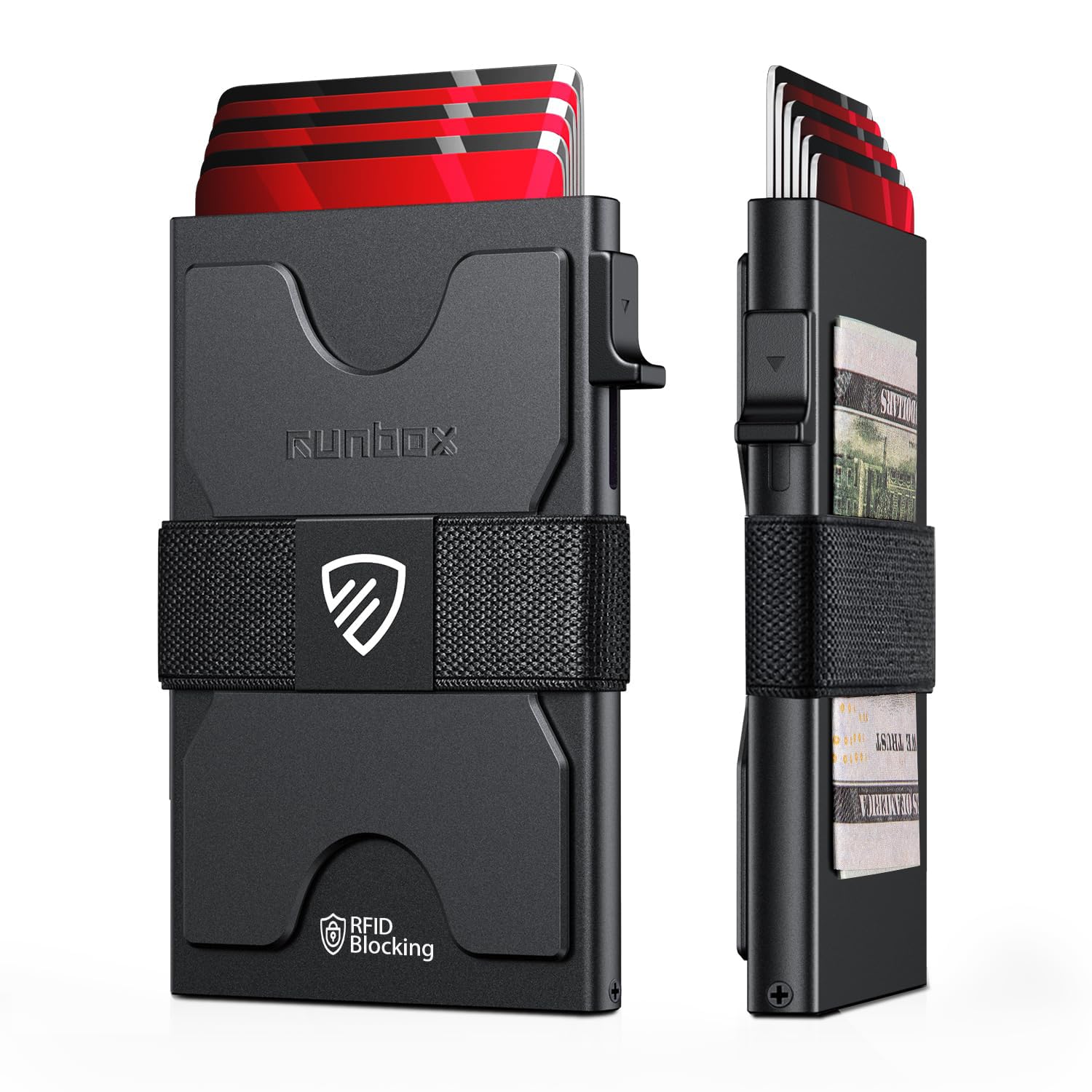
RFID blocking has shifted from premium feature to basic expectation. Every credit card, transit pass, and office keycard broadcasts data that thieves can harvest with pocket-sized skimmers. We tested dozens of traditional wallets claiming RFID protection, but their fabric shields degrade over time. Metal wallets provide permanent electromagnetic shielding through their aluminum, steel, or titanium construction.
The durability gap is massive. Aluminum wallets handle daily abuse while weighing under 2 ounces. Steel versions add heft but survive drops that would destroy leather alternatives. Titanium represents the premium tier, combining aircraft-grade strength with corrosion resistance that outlasts decades of pocket carry.
Ejector mechanisms have evolved beyond simple push-plates. Spring-loaded systems deploy cards with thumb pressure, while fan-style ejectors spread multiple cards for easy selection. Lever mechanisms offer the most control, letting you partially deploy cards before full ejection. We tested each style extensively, pushing capacity limits with 8-12 cards to identify failure points.
The minimalist appeal runs deeper than aesthetics. Metal wallets force intentional card selection, eliminating loyalty cards and receipts that bloat traditional wallets. This constraint improves organization while reducing pocket bulk. You’ll carry exactly what matters, nothing more.
Modern life demands modern tools. Metal wallets solve problems that leather cannot address while delivering durability that justifies their higher upfront cost. The question isn’t whether to switch, but which metal construction and ejector style fits your daily routine.
The Standouts: Our Top Metal Wallet Picks
After testing dozens of metal wallets over the past six months, five distinct personalities emerged from our lineup, each solving different problems for different people. Think of this as casting the perfect wallet for your lifestyle.
The Ridge Aluminum Wallet ($94.99) plays the reliable workhorse perfectly. We’ve carried this thing through airport security countless times, dropped it on concrete, and even accidentally put it through the washing machine. Still works flawlessly. Its aluminum construction weighs just 2.2 ounces, and the elastic money clip holds up to 12 cards securely. The RFID blocking keeps your data safe, though you’ll need to get comfortable with the minimal cash storage. This is your daily driver if you want something that just works.
Ekster Cardholder Pro ($119) brings the tech-forward approach to metal wallets. The spring-loaded ejector mechanism feels satisfying every single time you use it, and the lifetime warranty shows serious confidence in build quality. At 3.1 ounces, it’s slightly heavier than the Ridge but handles up to 15 cards with ease. The aluminum body with leather accents strikes a nice balance between industrial and refined. Perfect for the person who wants their wallet to feel like a precision instrument.
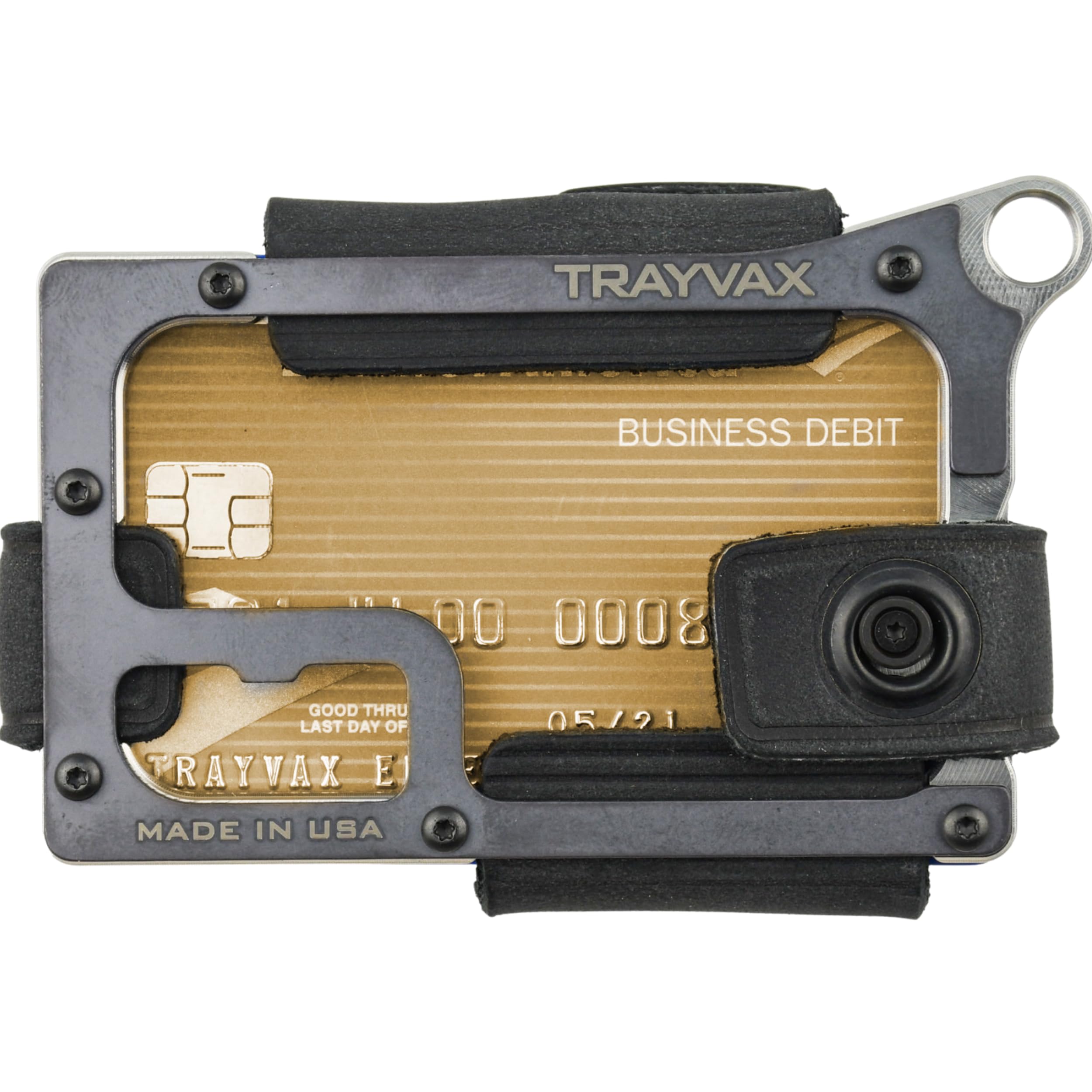
Trayvax Contour Wallet ($175) represents the American craftsman approach. Made in Texas with top-grain leather and aircraft-grade aluminum, this wallet feels substantial in your pocket at 4.2 ounces. The adjustable design accommodates anywhere from 4 to 20 cards, making it incredibly versatile. Yes, it’s bulkier than minimalist options, but the quality justifies the premium. This is for people who appreciate domestic manufacturing and don’t mind paying for it.
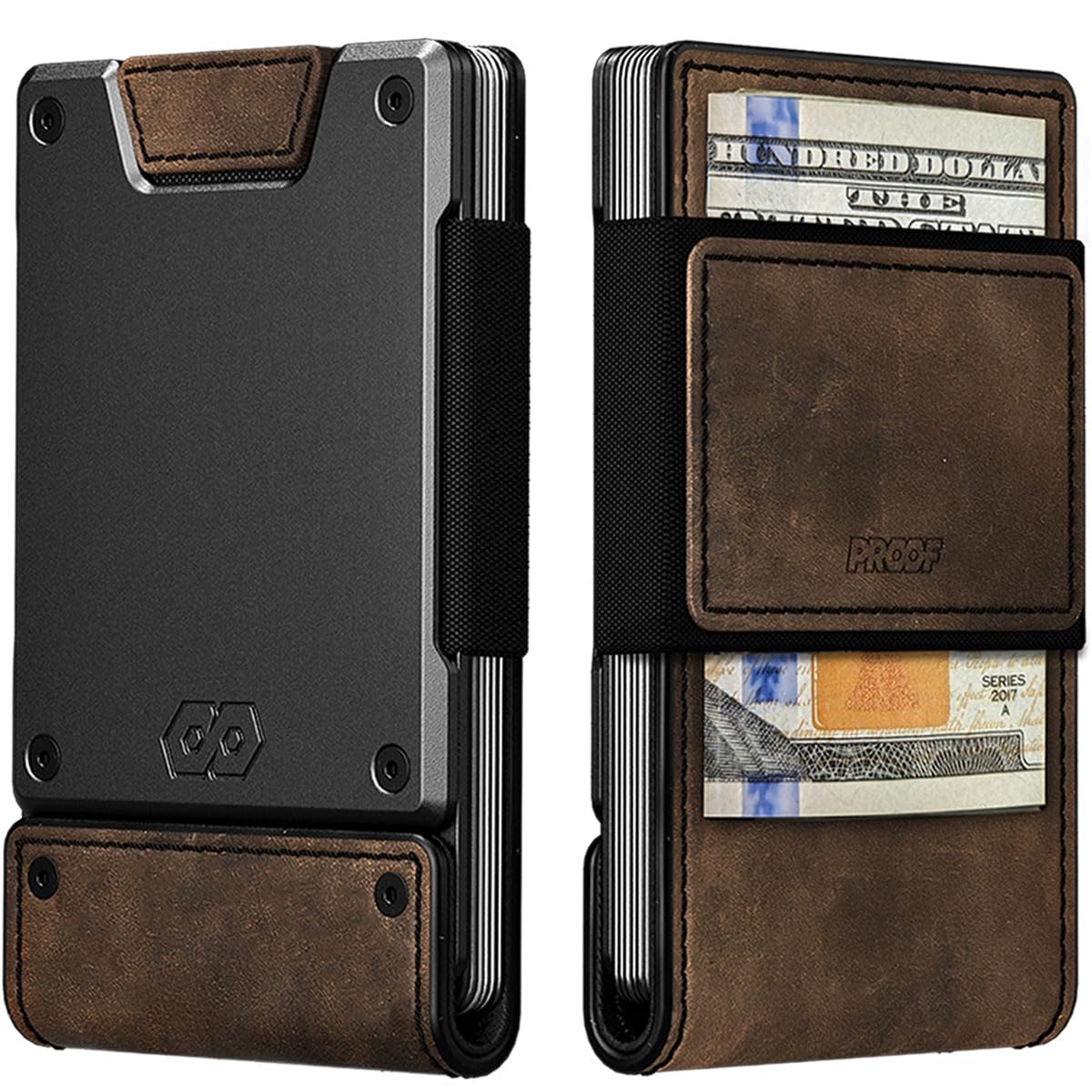
PROOF Wallet Leather ($125) combines premium materials with smart engineering. The pull-tab mechanism works smoothly, and the leather develops a beautiful patina over time. Card capacity hits 12 comfortably, and the construction quality rivals wallets costing twice as much. The price sits right in the sweet spot between budget and luxury.
Groove Life Groove Wallet 3.0 rounds out our picks as the feature-packed option. Integrated money clip, and thumb grip notch show thoughtful design. Limited to 8 cards, but the ergonomics make daily use exceptionally smooth.
Which Metal Wallet Is Right for You?
Your ideal metal wallet depends entirely on how you live and work. We’ve identified four distinct user profiles that drive most purchasing decisions, each with specific needs that certain wallet designs address better than others.
The Business Traveler: Security First
If you’re constantly moving through airports and hotels, RFID blocking becomes non-negotiable. Business travelers need wallets that protect against electronic pickpocketing while maintaining a professional appearance. Look for models with full 360-degree RFID shielding and capacity for 8-12 cards plus cash. The weight penalty of thicker aluminum construction pays dividends when you’re carrying sensitive corporate cards and international currency.
The Minimalist: Maximum Compression
Carrying just 4-6 essential cards? Ultra-thin carbon fiber or titanium designs measuring under 8mm thick will disappear in your front pocket. These wallets sacrifice some capacity for unprecedented portability. You’ll want quick-access mechanisms like thumb slides or elastic bands that let you grab your daily driver card without fumbling. Weight under 1.5 ounces keeps your silhouette clean.
The Craftsman: American-Made Quality
Some buyers prioritize domestic manufacturing and lifetime durability over cutting-edge features. These wallets typically use aerospace-grade aluminum milled in the US, with hand-finished edges and premium leather accents. Expect to pay $80-150 for this level of craftsmanship, but you’re buying a wallet that could outlast your career. Look for companies offering lifetime warranties and repair services.
The Tech Enthusiast: MagSafe Integration
iPhone users increasingly want wallets that work with MagSafe charging and mounting systems. This requires specific magnetic configurations and materials that won’t interfere with wireless charging. These wallets often include integrated phone stands and cable management features. The trade-off? Slightly increased thickness and weight to accommodate the magnetic array.
Consider your daily routine honestly. A business traveler’s security needs differ drastically from a minimalist’s portability requirements. Your wallet choice should complement your lifestyle, not complicate it.
Buying Guide
Ejector Mechanisms: The Heart of Your Metal Wallet
The ejection mechanism determines how smoothly you access your cards, making it the most critical feature to evaluate. Face plate ejectors push cards up through the top when you press a button or lever, offering the most controlled card selection but requiring two hands for operation. Pull tab systems use a small tab or lever that slides cards out partially, letting you grab what you need. These work well for people with larger hands but can be fiddly for smaller fingers.
Spring-loaded mechanisms pop cards out automatically when activated, providing the fastest access but sometimes ejecting cards too forcefully. Side-ejecting wallets push cards out horizontally, which feels more natural for many users but can make card selection trickier when you’re carrying your maximum capacity.
Test any mechanism thoroughly before buying. Try it with one hand while holding your phone, simulate pulling it from a tight pocket, and load it with your actual cards to check the action. Mechanisms that feel smooth in-store can become sticky after months of pocket lint and daily use.
Material Choices: Aluminum vs Steel vs Titanium
Aluminum dominates the metal wallet market for good reason. At roughly one-third the weight of steel, aluminum wallets typically weigh 2-4 ounces while offering excellent durability and corrosion resistance. The material machines easily, keeping costs reasonable while allowing for intricate designs and smooth mechanisms.
Steel wallets weigh 4-8 ounces but provide superior strength and a more premium feel. Stainless steel resists scratches better than aluminum but costs significantly more to manufacture, pushing retail prices higher. Carbon steel offers even greater strength but requires careful maintenance to prevent rust.
Titanium represents the premium tier, weighing about 60% of steel while matching its strength. Titanium’s natural corrosion resistance and biocompatibility justify the price premium for some users, but you’ll pay 3-5 times more than comparable aluminum models. The material’s hardness makes machining expensive, limiting design options and driving up costs further.
For most users, aerospace-grade aluminum provides the best balance of weight, durability, and cost. Consider steel only if maximum durability matters more than weight, and titanium only if budget isn’t a constraint.
Capacity Reality Check: Cards, Cash, and Compromises
Advertised capacities of 4-25 cards sound impressive until you factor in real-world constraints. Thick cards like gym memberships and hotel key cards reduce practical capacity by 20-30%. Loading a wallet to maximum capacity also makes card selection difficult and can stress the ejection mechanism.
Audit your current wallet contents honestly. Most people actively use 6-10 cards daily, making wallets with 8-12 card capacity ideal for practical use. Larger capacities work if you frequently travel or carry multiple business cards, but remember that metal wallets excel at streamlining, not maximizing storage.
Cash storage varies dramatically between models. Money clips work well for 1-10 bills but can’t secure coins or receipts. Cash straps hold bills more securely but limit quick access. Some wallets include dedicated bill compartments, but these add bulk and complexity.
Consider your cash habits carefully. If you rarely carry cash, choose a card-focused design. Heavy cash users might prefer a traditional wallet with metal construction rather than a pure metal wallet design.
Final Verdict
Metal wallets represent a meaningful upgrade for most people, despite requiring a brief adjustment period. The initial stiffness of metal components and the slightly different feel compared to leather takes about a week to adapt to, but the long-term benefits far outweigh this minor learning curve.
You’ll appreciate the peace of mind that comes with RFID blocking protection, especially as contactless payments become more prevalent in 2026. Also, the durability factor alone justifies the investment when you consider that a quality metal wallet can last decades while leather alternatives typically need replacement every few years.
Metal wallets aren’t ideal for everyone. If you carry numerous loyalty cards, prefer a traditional bifold design, or need extensive cash storage, stick with conventional options. However, most users find that the forced minimalism improves their daily carry experience.
Our testing confirms that today’s metal wallet designs have matured significantly. The top picks we’ve highlighted offer genuine improvements in security, durability, and organization without the bulk penalties of earlier generations. Making the switch to metal is a decision you’re unlikely to regret.