



Buying Guide: How to Choose Your Perfect Slim Wallet
Key Decisions: Material, Style, and Capacity
Your material choice shapes everything from durability to daily maintenance. Full-grain leather develops character over 5-6 years but requires occasional conditioning and costs $40-120. Synthetic materials like carbon fiber or aluminum offer waterproof protection and consistent appearance for $25-80, though they lack leather’s natural grip and warmth. Metal wallets provide maximum durability and RFID protection at $60-150 but add weight and can feel cold in winter.
Style determines your access pattern and pocket compatibility. Traditional bifolds work best for back pocket carry and cash storage but measure 0.8-1.5 inches thick when loaded. Card holders excel in front pockets at 0.4-0.7 inches thick but limit cash to a few folded bills. Smart wallets with pop-up mechanisms offer quick card access and impressive 0.5-0.9 inch profiles, though moving parts can fail over time.
Capacity planning prevents buyer’s remorse. Count your current cards, then subtract 2-3 you rarely use. Most people carry 6-8 essential cards plus cash. A 4-card wallet forces tough choices but stays ultra-thin. An 8-12 card capacity handles daily needs plus backup cards. Anything beyond 15 cards defeats the slim wallet purpose entirely.
What to Look For: Thickness, Construction, and Features
Thickness specifications mean nothing without context. A wallet measuring 0.5 inches empty might balloon to 1.2 inches with 8 cards and cash. Quality manufacturers report loaded thickness with standard contents. Front pocket carry demands under 0.8 inches loaded, while back pocket users can handle up to 1.2 inches comfortably.
Construction quality shows in the details. Hand-stitched leather lasts longer than machine stitching, with reinforced stress points at card slots. Edge finishing should be smooth and sealed to prevent fraying. Hardware quality matters for money clips and mechanisms – cheap metal tarnishes and weakens within months. Avoid wallets with rough interior surfaces that scratch cards or loose stitching that catches on pockets.
RFID protection sounds impressive but benefits mainly frequent international travelers or those carrying multiple contactless cards. The metallic lining adds thickness and cost without meaningful security for most users. Warranty coverage reveals manufacturer confidence – quality brands offer 2-year minimum coverage, with some providing lifetime replacement. Card access mechanisms range from thumb slides to spring-loaded pop-ups. Test the mechanism repeatedly; smooth operation when new often becomes sticky after months of pocket lint and wear.
Common Mistakes: Capacity and Carry Style Mismatches
The biggest mistake is buying based on aspirational minimalism rather than actual needs. That sleek 4-card holder looks perfect until you realize you need your insurance card, gym membership, and backup credit card. Before shopping, carry only essential cards for one week to establish your true minimum.
Carry location dramatically affects size requirements. Back pocket wallets can be wider and slightly thicker, but front pocket carry demands compact dimensions under 4.2 inches long and 0.8 inches thick to avoid uncomfortable pressure when sitting. Many buyers ignore this fundamental compatibility issue.
Cash storage assumptions cause problems. If you regularly carry more than 3-4 bills, traditional bill compartments work better than money clips or cash straps. Money clips add 0.2-0.3 inches to thickness and can’t secure coins. Cash straps work for occasional bills but create bulk when loaded.
Marketing gimmicks distract from core functionality. “Military-grade” aluminum sounds tough but offers no advantage over quality leather for civilian use. “Lifetime” warranties often exclude normal wear and require expensive return shipping. Focus on thickness measurements, capacity limits, and construction quality rather than buzzword features.
Lifestyle-Based Selection: Matching Wallets to Daily Routines
Business professionals need clean lines and premium materials that work with suits. Leather bifolds or cardholders in black or brown leather handle client meetings and networking events. Avoid bright colors or casual materials that clash with professional attire.
Casual users can embrace canvas, synthetic materials, or colorful designs. Elastic band wallets or minimalist cardholders suit jeans and t-shirt lifestyles. Durability matters more than appearance refinement.
Frequent travelers require RFID protection and multiple currency compartments. International business cards, hotel keys, and foreign cash demand 10-12 card capacity. Quick-access designs help during airport security checks.
Budget Tiers: Value Analysis Across Price Points
$20-40 range delivers basic functionality with synthetic materials or lower-grade leather. Expect 2-3 year lifespan with careful use. Machine stitching and basic hardware suffice for light daily carry.
$40-80 range brings premium leather, hand-stitched construction, and refined hardware. These wallets last 5-7 years with proper care. Better edge finishing and smoother mechanisms justify the price increase.
$80+ premium tier offers exotic leathers, lifetime warranties, and superior craftsmanship. Hand-selected materials and artisan construction create heirloom-quality pieces lasting decades. Only worthwhile for daily users who appreciate fine craftsmanship.
Final Verdict
After testing dozens of slim wallets across every price range and carry style, the Leatherology Slim Bifold emerges as our top recommendation for most users. Its premium leather construction, thoughtful card organization, and $89 price point strike the ideal balance between quality and value. The wallet comfortably holds 6-8 cards while maintaining a profile thin enough for front pocket carry.
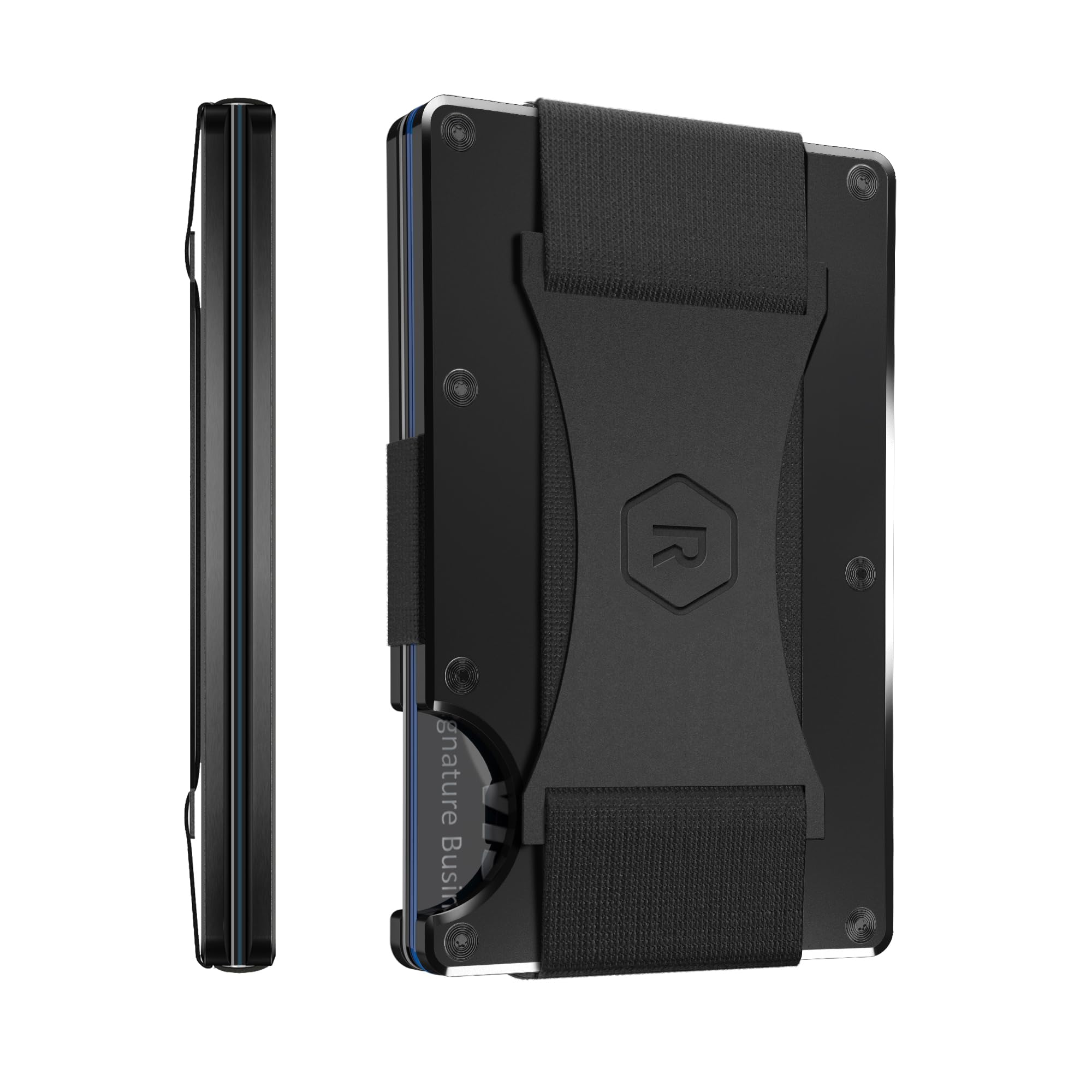
Your perfect slim wallet ultimately depends on your specific priorities. Minimalists who carry just 3-4 cards should consider ultra-thin options like the Ridge Wallet. Those needing cash storage will appreciate traditional bifolds with bill compartments. Budget-conscious buyers can find excellent options under $30, while leather enthusiasts might justify spending $150+ for premium materials and craftsmanship.
Every slim wallet requires compromise compared to traditional thick wallets. You’ll carry fewer cards, less cash, and skip features like coin pockets. However, the benefits are substantial: reduced back pain from sitting on thick wallets, improved pocket comfort, and a cleaner silhouette. Armed with our testing insights and buying framework, you’re equipped to choose a slim wallet that matches your lifestyle perfectly.